
Kutsinta
Steamed Filipino rice cake with a chewy, jelly-like texture
Kutsinta is a steamed rice cake from the Philippines, made with rice or tapioca flour, brown sugar, lye, and often colored with annatto. It is chewy and mildly sweet, usually topped with grated coconut, and enjoyed as a snack or merienda throughout the year.
- Kutsinta is a steamed rice cake from the Philippines.
- It has a chewy, jelly-like texture and mild sweetness.
- Traditionally topped with grated coconut.
- Made with rice or tapioca flour, brown sugar, and lye.
- Often enjoyed as a snack or merienda.
What is Kutsinta?
Kutsinta is a Filipino steamed rice cake with a jelly-like, chewy texture and a gentle sweetness. Its base is made from rice or tapioca flour mixed with brown sugar and lye, sometimes colored with annatto for a warm hue. The cakes are steamed in small molds, giving them a round, shallow shape. Once cooked, kutsinta is topped with grated coconut, adding a fresh, nutty note. The cake is soft and springy, with a mild flavor that is not overly sweet. It is often enjoyed as a light snack or dessert.
Where does Kutsinta come from?
Kutsinta comes from the Philippines and is found throughout the country. It is part of the broader family of Filipino rice cakes known as puto, but stands out for its unique texture and preparation. The use of lye and the choice between rice or tapioca flour give it a distinct consistency compared to other steamed cakes. Its similarity to Burmese mont kywe the and Malaysian or Indonesian kuih kosui points to shared culinary traditions in Southeast Asia, though kutsinta has become a staple in Filipino snack culture.
How is Kutsinta made?
To make kutsinta, rice flour or tapioca flour is mixed with brown sugar and lye water, and sometimes annatto or food coloring is added for color. The batter is poured into small ramekins or molds and steamed until set. After steaming, the cakes are allowed to cool and are then topped with freshly grated coconut from mature coconuts. Some people add extra sweetness by serving kutsinta with coconut syrup (latik) or a sweet custard dip called yema.

How and when is Kutsinta eaten?
Kutsinta is typically eaten at room temperature as a snack or during merienda, which is a light afternoon meal in the Philippines. It is often sold alongside other rice cakes like puto, making it a common sight in markets and street stalls. The cakes are usually served with a generous topping of grated coconut, and sometimes with sweet syrups or dips. Its mild flavor and chewy texture make it a popular everyday treat, enjoyed by people of all ages.
Kinds of Kutsinta
While the basic kutsinta recipe uses rice or tapioca flour, some versions may use different proportions or add flavorings for color and taste. Annatto is a common addition for its yellow-orange tint. Some sellers offer kutsinta with extra toppings like latik or yema for added sweetness. The cake’s resemblance to kuih kosui and mont kywe the highlights regional variations across Southeast Asia, but the Filipino version is known for its coconut topping and mild flavor.
What Kutsinta means
Kutsinta is a familiar part of Filipino daily life, especially during merienda. It is not tied to any specific festival or religious occasion but is enjoyed year-round. The cake is often sold by street vendors and at local markets, sometimes paired with other rice cakes. Its popularity reflects the Filipino fondness for rice-based snacks and the use of coconut in local sweets. Kutsinta’s simple ingredients and preparation have made it a lasting favorite.
Questions people ask about Kutsinta
What is kutsinta made of?
Kutsinta is made from rice flour or tapioca flour, brown sugar, lye, and sometimes colored with annatto. It is steamed and usually topped with grated coconut.
Where does kutsinta come from?
Kutsinta comes from the Philippines and is found throughout the country as a popular snack or merienda.
What does kutsinta taste like?
Kutsinta has a jelly-like, chewy texture and a mild sweetness. The grated coconut topping adds a fresh, nutty flavor.
How is kutsinta served?
Kutsinta is served at room temperature, often topped with grated coconut. Sometimes it is paired with coconut syrup (latik) or a sweet custard dip (yema) for extra sweetness.
Is kutsinta eaten for any special occasion?
Kutsinta is enjoyed year-round as an everyday snack or during merienda, not tied to any specific festival or religious event.
Good reading and sources
The facts on this page come from the Wikipedia article "Kutsinta", written by its contributors and used under the CC BY-SA 4.0 licence, and from its Wikidata record (CC0). Thali rewrote the text in its own words, with AI assistance, and compares every page with the article to make sure no passage is copied. It may be reused under the same CC BY-SA 4.0 licence with a link back.
It may contain mistakes, and it is not dietary or allergy advice: recipes differ from cook to cook. If something is wrong, tell us. Last refreshed 2026-10-03.
More from the Philippines
All the food of the Philippines Hot chocolate
🇲🇽 Mexico and 5 moreA warm drink made from chocolate or cocoa, milk or water, and sugar
Drink, Breakfast, Snacks
Hot chocolate
🇲🇽 Mexico and 5 moreA warm drink made from chocolate or cocoa, milk or water, and sugar
Drink, Breakfast, Snacks
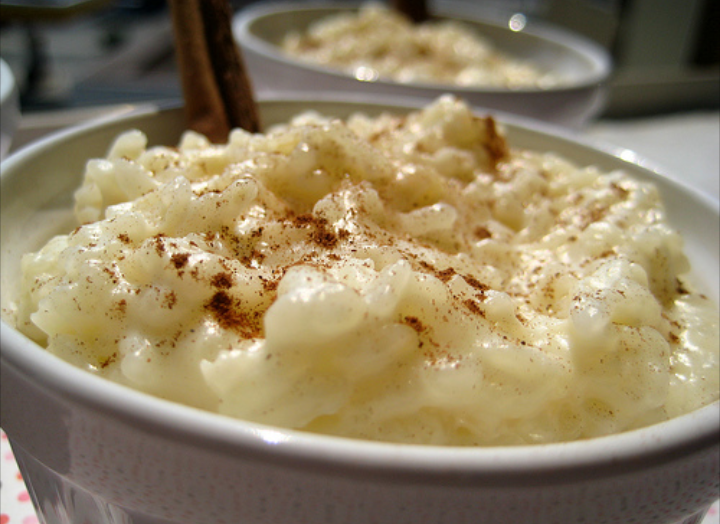 Rice pudding
🇮🇳 India and 4 moreSweetened rice cooked in milk, found in many forms worldwide
Sweet or dessert, Breakfast, Lunch
Rice pudding
🇮🇳 India and 4 moreSweetened rice cooked in milk, found in many forms worldwide
Sweet or dessert, Breakfast, Lunch
 BreadfruitVegan
🇵🇭 Philippines and 4 moreLarge tropical fruit cooked as a starchy staple in many island cuisines
Main dish, Lunch, Dinner
BreadfruitVegan
🇵🇭 Philippines and 4 moreLarge tropical fruit cooked as a starchy staple in many island cuisines
Main dish, Lunch, Dinner
 Puto bumbóngVegetarian
🇵🇭 PhilippinesPurple Filipino rice cake steamed in bamboo tubes for Christmas
Sweet or dessert, Breakfast, Snacks
Puto bumbóngVegetarian
🇵🇭 PhilippinesPurple Filipino rice cake steamed in bamboo tubes for Christmas
Sweet or dessert, Breakfast, Snacks
Its cousins elsewhere
All sweets and desserts CocadaVegetarian
🇧🇷 Brazil and 5 moreChewy coconut sweets baked and served at room temperature
Sweet or dessert, Snacks
CocadaVegetarian
🇧🇷 Brazil and 5 moreChewy coconut sweets baked and served at room temperature
Sweet or dessert, Snacks
 KobaVegan
🇲🇬 MadagascarA Malagasy sweet cake of peanuts, sugar and rice flour wrapped in banana leaves
Sweet or dessert, Snacks
KobaVegan
🇲🇬 MadagascarA Malagasy sweet cake of peanuts, sugar and rice flour wrapped in banana leaves
Sweet or dessert, Snacks
 StroopwafelVegetarian
🇳🇱 NetherlandsThin Dutch waffles sandwiched with a spiced syrup filling
Pie or savoury pastry, Snacks
StroopwafelVegetarian
🇳🇱 NetherlandsThin Dutch waffles sandwiched with a spiced syrup filling
Pie or savoury pastry, Snacks
 MacaroonVegetarian
🇫🇷 France and 5 moreSweet biscuit or small cake made from nuts or coconut and egg whites
Sweet or dessert, Snacks, Tea time
MacaroonVegetarian
🇫🇷 France and 5 moreSweet biscuit or small cake made from nuts or coconut and egg whites
Sweet or dessert, Snacks, Tea time