
Stroopwafel
Thin Dutch waffles sandwiched with a spiced syrup filling
Stroopwafel is a Dutch sweet made of two crisp, thin waffles joined by a layer of syrup or caramel. Originating in Gouda, South Holland, it is enjoyed across the Netherlands and often eaten with coffee or tea. The filling typically includes syrup, brown sugar, butter, and cinnamon.
- First made in Gouda, South Holland
- Two thin waffles joined by a spiced syrup filling
- Often placed on hot drinks to soften the center
- Trimmings from production are sold as a separate snack
- Known internationally as a Dutch specialty
What is Stroopwafel?
A stroopwafel is a round, flat treat made by pressing a sweet dough in a waffle iron until golden and crisp. The finished waffle is sliced horizontally while still warm, then filled with a spiced syrup mixture and pressed back together. The filling is usually a blend of syrup, brown sugar, butter, and cinnamon, which cools to hold the two layers together. Stroopwafels are thin, with a chewy center and crisp exterior, and are typically about the size of a small saucer.
Where does Stroopwafel come from?
Stroopwafels trace their roots to Gouda in the Dutch province of South Holland. According to tradition, bakers in Gouda began making them in the late 1700s or early 1800s, using leftover crumbs and sweetening them with syrup. One story credits Gerard Kamphuisen, who opened his bakery in 1810, with inventing the stroopwafel. By the late 19th century, the treat had spread beyond Gouda, and by the 20th century, production moved into factories. Gouda became known for its many stroopwafel bakeries.
How is Stroopwafel made?
To make stroopwafels, a stiff dough is prepared from flour, butter, brown sugar, yeast, milk, and eggs. This dough is pressed in a hot waffle iron, forming thin, crisp rounds. While still warm, each waffle is trimmed and carefully split into two layers. A warm filling of syrup, brown sugar, butter, and cinnamon is spread between the layers before reassembling. As the stroopwafel cools, the syrup sets, binding the two halves together. The trimmings are often sold separately as a snack.


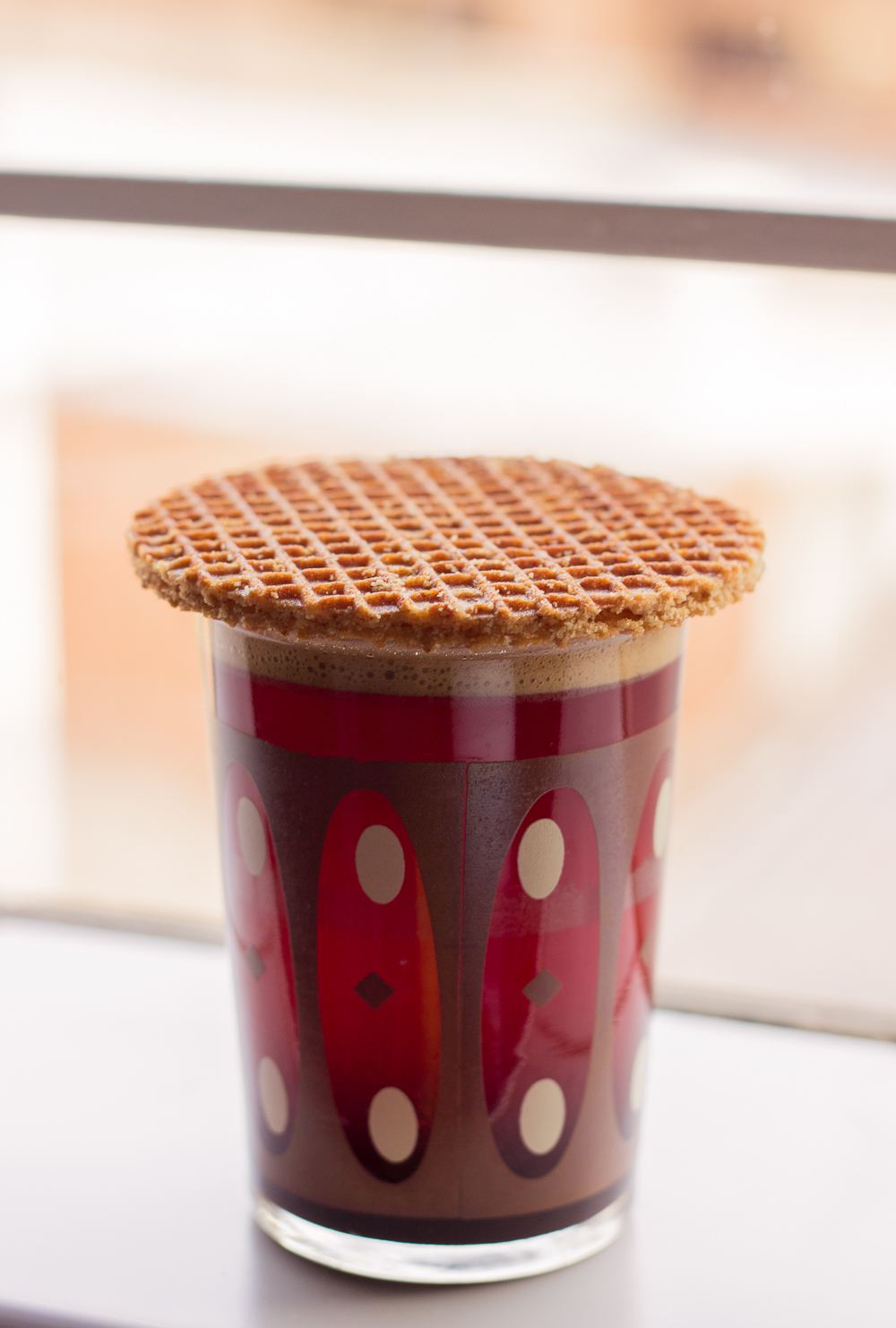
How and when is Stroopwafel eaten?
Stroopwafels are commonly eaten as a snack, often with coffee or tea. In some places, people place the waffle on top of a hot drink, allowing the steam to soften the syrup inside. They are widely available at markets, from street vendors, and in shops throughout the Netherlands. The treat is also served on flights and has gained popularity in other countries, sometimes under different names.
Kinds of Stroopwafel
Several similar cookies exist in the Netherlands and beyond. Honingwafels use honey instead of syrup, while stroopkoeken are cookies with a syrup center. In northern France, especially Lille, a related pastry called gaufre fourrée lilloise features two thin waffles with a vanilla and sugar filling. Stroopwafel trimmings, known as koekkruimels, are sold in paper cones. Filled waffles have a long history in European baking.
What Stroopwafel means
Stroopwafels are a familiar part of Dutch daily life, enjoyed by people of all ages. Gouda, their city of origin, remains closely linked to their production, with several factories still in operation. The treat has become a symbol of Dutch food culture and is recognized internationally. Stroopwafels have even appeared as a challenge on baking shows and are offered as snacks on international flights.
Questions people ask about Stroopwafel
What is a stroopwafel made of?
A stroopwafel is made from two thin waffles filled with a syrup mixture of brown sugar, butter, and cinnamon. The dough includes flour, butter, brown sugar, yeast, milk, and eggs.
Where did stroopwafels originate?
Stroopwafels come from Gouda, a city in South Holland, Netherlands. They were first made there in the late 18th or early 19th century.
How are stroopwafels usually eaten?
They are often enjoyed as a snack with coffee or tea. Some people warm them by placing them on top of a hot drink, which softens the syrup filling.
Are there similar treats in other countries?
Yes, northern France has the gaufre fourrée lilloise, a thin waffle with a sugar and vanilla filling. The Netherlands also has honey-filled honingwafels and syrup-filled stroopkoeken.
Are stroopwafels vegetarian?
Yes, traditional stroopwafels are vegetarian, as they contain dairy and eggs but no meat or fish.
Good reading and sources
The facts on this page come from the Wikipedia article "Stroopwafel", written by its contributors and used under the CC BY-SA 4.0 licence, and from its Wikidata record (CC0). Thali rewrote the text in its own words, with AI assistance, and compares every page with the article to make sure no passage is copied. It may be reused under the same CC BY-SA 4.0 licence with a link back.
It may contain mistakes, and it is not dietary or allergy advice: recipes differ from cook to cook. If something is wrong, tell us. Last refreshed 2026-10-03.
More from the Netherlands
All the food of the Netherlands French toast
🇫🇷 France and 5 moreBread soaked in egg and milk, pan-fried and served sweet or savoury
Main dish, Breakfast, Snacks
French toast
🇫🇷 France and 5 moreBread soaked in egg and milk, pan-fried and served sweet or savoury
Main dish, Breakfast, Snacks
 Apple pieVegetarian
🇬🇧 United Kingdom and 5 moreA baked pie with apple filling and pastry crust, served hot or cold
Sweet or dessert, Snacks
Apple pieVegetarian
🇬🇧 United Kingdom and 5 moreA baked pie with apple filling and pastry crust, served hot or cold
Sweet or dessert, Snacks
 Whipped cream
🇫🇷 France and 2 moreLight, sweetened cream whipped to a fluffy foam for desserts and drinks
Sweet or dessert, Snacks
Whipped cream
🇫🇷 France and 2 moreLight, sweetened cream whipped to a fluffy foam for desserts and drinks
Sweet or dessert, Snacks
 Chocolate cakeVegetarian
🇺🇸 United States and 5 moreCake made with chocolate or cocoa, often layered or topped with icing
Sweet or dessert, Tea time, Snacks
Chocolate cakeVegetarian
🇺🇸 United States and 5 moreCake made with chocolate or cocoa, often layered or topped with icing
Sweet or dessert, Tea time, Snacks
Its cousins elsewhere
All pies and savoury pastries Pumpkin pieVegetarian
🇺🇸 United States and 1 moreSweet pie with spiced pumpkin custard in a pastry shell, served for autumn holidays
Sweet or dessert
Pumpkin pieVegetarian
🇺🇸 United States and 1 moreSweet pie with spiced pumpkin custard in a pastry shell, served for autumn holidays
Sweet or dessert
 Egg tartVegetarian蛋撻
🇨🇳 China and 5 moreA small pastry tart with a sweet egg custard filling, found in Cantonese cuisine
Pie or savoury pastry, Snacks, Tea time
Egg tartVegetarian蛋撻
🇨🇳 China and 5 moreA small pastry tart with a sweet egg custard filling, found in Cantonese cuisine
Pie or savoury pastry, Snacks, Tea time
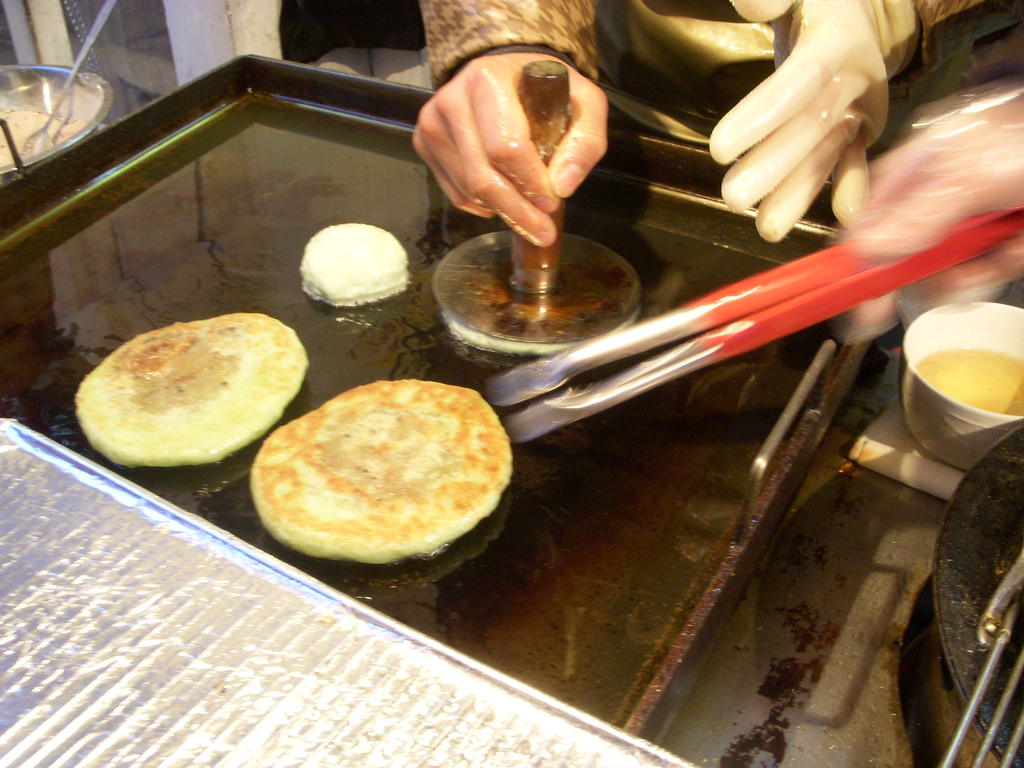 HotteokVegetarian호떡
🇰🇷 South Korea and 2 moreKorean street pancake with a sweet, nutty filling
Street food, Snacks
HotteokVegetarian호떡
🇰🇷 South Korea and 2 moreKorean street pancake with a sweet, nutty filling
Street food, Snacks
 SachimaVegetarianᠰᠠᠴᡳᠮᠠ
🇨🇳 China and 4 moreSweet, airy strips of deep-fried dough held together with sugar syrup
Pie or savoury pastry, Snacks
SachimaVegetarianᠰᠠᠴᡳᠮᠠ
🇨🇳 China and 4 moreSweet, airy strips of deep-fried dough held together with sugar syrup
Pie or savoury pastry, Snacks