Aasmi
In its own language: ආස්මී
Sri Lankan sweet made from rice flour, coconut milk, and cinnamon or okra juice
Aasmi is a festive sweet from Sri Lanka, made by mixing rice flour and coconut milk with juice from cinnamon leaves or okra. The batter is deep-fried, left to rest, then fried again and finished with a syrup of jaggery or sugar, often tinted with food colouring. It is enjoyed at New Year, weddings, and birthdays.
- Made from rice flour, coconut milk, and cinnamon or okra juice
- Deep-fried in a lacy pattern and topped with syrup
- Eaten during Sinhalese and Tamil New Year, weddings, and birthdays
- Syrup topping may be coloured for festive occasions
What is Aasmi?
Aasmi is a delicately crisp sweet from Sri Lanka, shaped into lacy, nest-like forms. Its base is a batter of rice flour and coconut milk, combined with juice from cinnamon leaves or, if unavailable, okra. After frying, the pieces are set aside for a few days, then fried once more. A syrup made from jaggery or sugar, sometimes brightly coloured, is poured over the top, giving aasmi its final sweet finish.
Where does Aasmi come from?
Aasmi is rooted in Sri Lankan tradition, where it has long been prepared for major celebrations. Its exact beginnings are not detailed, but it is closely tied to the island’s Sinhalese and Tamil communities, especially during New Year festivities. The use of local ingredients like rice flour, coconut milk, and cinnamon leaf juice reflects the produce of Sri Lanka’s climate and cuisine.
How is Aasmi made?
To make aasmi, rice flour is blended with coconut milk and juice extracted from cinnamon leaves, or okra juice if cinnamon leaves are not at hand. This mixture forms a batter, which is poured into hot coconut oil in a lacy pattern and fried until crisp. The fried pieces are left to rest for several days. Before serving, they are fried again and finished with a drizzle of jaggery or sugar syrup, often coloured for a festive look.
How and when is Aasmi eaten?
Aasmi is served at room temperature or cooled, making it suitable for gatherings and celebrations. It is a popular treat during the Sinhalese and Tamil New Year, as well as at weddings and birthdays. The sweet, crisp texture and syrupy topping make it a special occasion food, often shared among family and friends.
Kinds of Aasmi
While the classic version uses juice from cinnamon leaves, some cooks use okra juice as a substitute, which helps achieve the right texture. The syrup topping may be made from jaggery or plain sugar, and food colouring is sometimes added for a festive appearance. These small changes allow for regional and personal preferences.
What Aasmi means
Aasmi holds a place in Sri Lankan celebrations, marking important life events and holidays. It is especially linked with Aluth Avurudda and Puthandu, the Sinhalese and Tamil New Years, when families prepare and share it as part of the festive table. Its preparation and sharing are part of the cultural fabric of these occasions.
Questions people ask about Aasmi
What is aasmi made of?
Aasmi is made from rice flour, coconut milk, and juice from cinnamon leaves or okra. After frying, it is topped with a syrup made from jaggery or sugar, sometimes coloured for celebrations.
Where does aasmi come from?
Aasmi comes from Sri Lanka, where it is a traditional sweet served at major festivals and family events.
When is aasmi usually eaten?
Aasmi is most often eaten during the Sinhalese and Tamil New Year, as well as at weddings and birthdays.
Is aasmi suitable for vegans?
Yes, aasmi is vegan, as it contains no animal products. Its main ingredients are rice flour, coconut milk, and plant juices.
What does aasmi look and taste like?
Aasmi is crisp and lacy, with a sweet syrup topping. It is light and crunchy, with the syrup adding a rich sweetness.
Good reading and sources
The facts on this page come from the Wikipedia article "Aasmi", written by its contributors and used under the CC BY-SA 4.0 licence, and from its Wikidata record (CC0). Thali rewrote the text in its own words, with AI assistance, and compares every page with the article to make sure no passage is copied. It may be reused under the same CC BY-SA 4.0 licence with a link back.
It may contain mistakes, and it is not dietary or allergy advice: recipes differ from cook to cook. If something is wrong, tell us. Last refreshed 2026-10-03.
More from Sri Lanka
All the food of Sri Lanka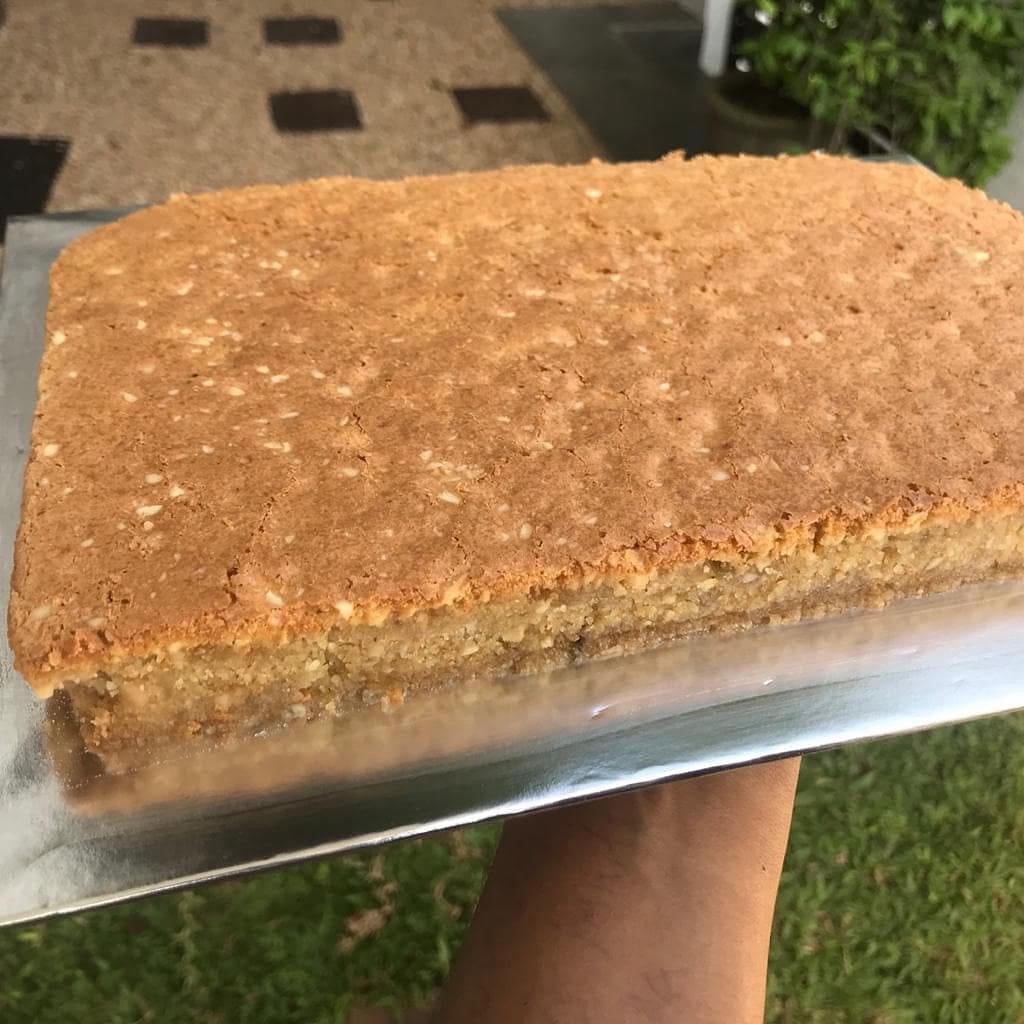 Love cakeVegetarian
🇱🇰 Sri LankaSri Lankan semolina cake with cashews, pumpkin preserve, and aromatic spices
Sweet or dessert
Love cakeVegetarian
🇱🇰 Sri LankaSri Lankan semolina cake with cashews, pumpkin preserve, and aromatic spices
Sweet or dessert
 ModakVegetarian
🇮🇳 India and 5 moreA sweet dumpling with coconut and jaggery, offered in Hindu and Buddhist rituals
Sweet or dessert, Snacks
ModakVegetarian
🇮🇳 India and 5 moreA sweet dumpling with coconut and jaggery, offered in Hindu and Buddhist rituals
Sweet or dessert, Snacks
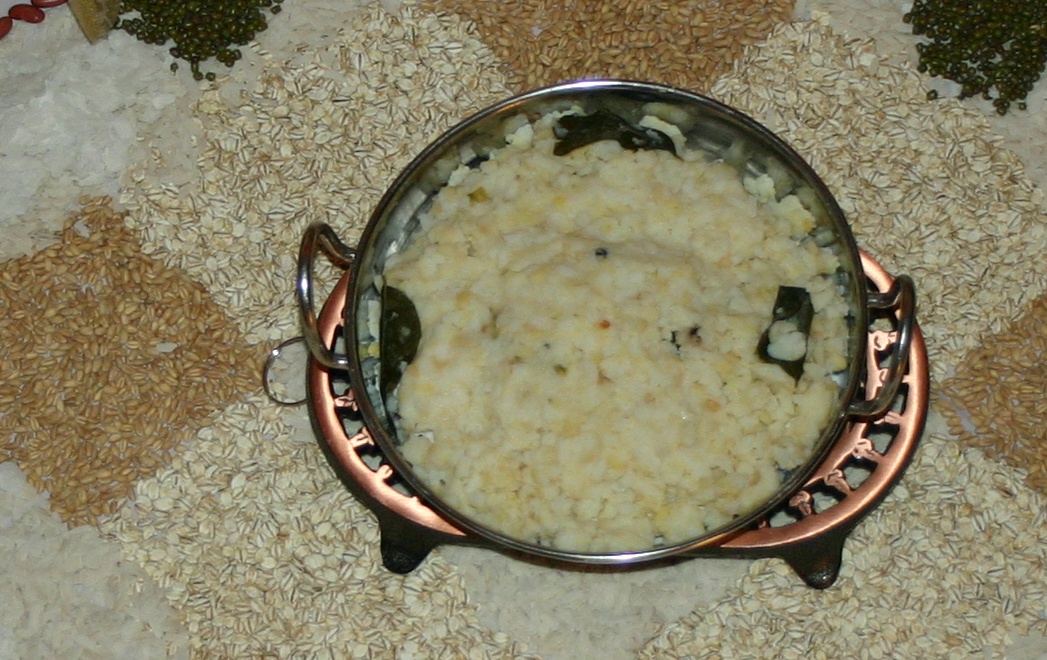 Pongal
🇮🇳 India and 1 moreRice cooked in milk, central to the Tamil harvest festival
Main dish, Breakfast, Lunch
Pongal
🇮🇳 India and 1 moreRice cooked in milk, central to the Tamil harvest festival
Main dish, Breakfast, Lunch
Its cousins elsewhere
All sweets and desserts Mofo gasyVegan
🇲🇬 MadagascarSweet rice flour cakes cooked in a mold, eaten for breakfast in Madagascar
Bread, Breakfast
Mofo gasyVegan
🇲🇬 MadagascarSweet rice flour cakes cooked in a mold, eaten for breakfast in Madagascar
Bread, Breakfast
 MacaronVegetarian
🇫🇷 France and 5 moreAlmond meringue sandwich cookie with a creamy or jam filling
Sweet or dessert, Snacks, Tea time
MacaronVegetarian
🇫🇷 France and 5 moreAlmond meringue sandwich cookie with a creamy or jam filling
Sweet or dessert, Snacks, Tea time
 PamonhaVegetarian
🇧🇷 Brazil and 1 moreSweet corn paste boiled in corn husks, a specialty from Brazil
Sweet or dessert, Snacks
PamonhaVegetarian
🇧🇷 Brazil and 1 moreSweet corn paste boiled in corn husks, a specialty from Brazil
Sweet or dessert, Snacks
 Speculoos biscuitVegan
🇧🇪 Belgium and 4 moreCaramelized Belgian biscuit, often served with coffee
Sweet or dessert, Snacks
Speculoos biscuitVegan
🇧🇪 Belgium and 4 moreCaramelized Belgian biscuit, often served with coffee
Sweet or dessert, Snacks