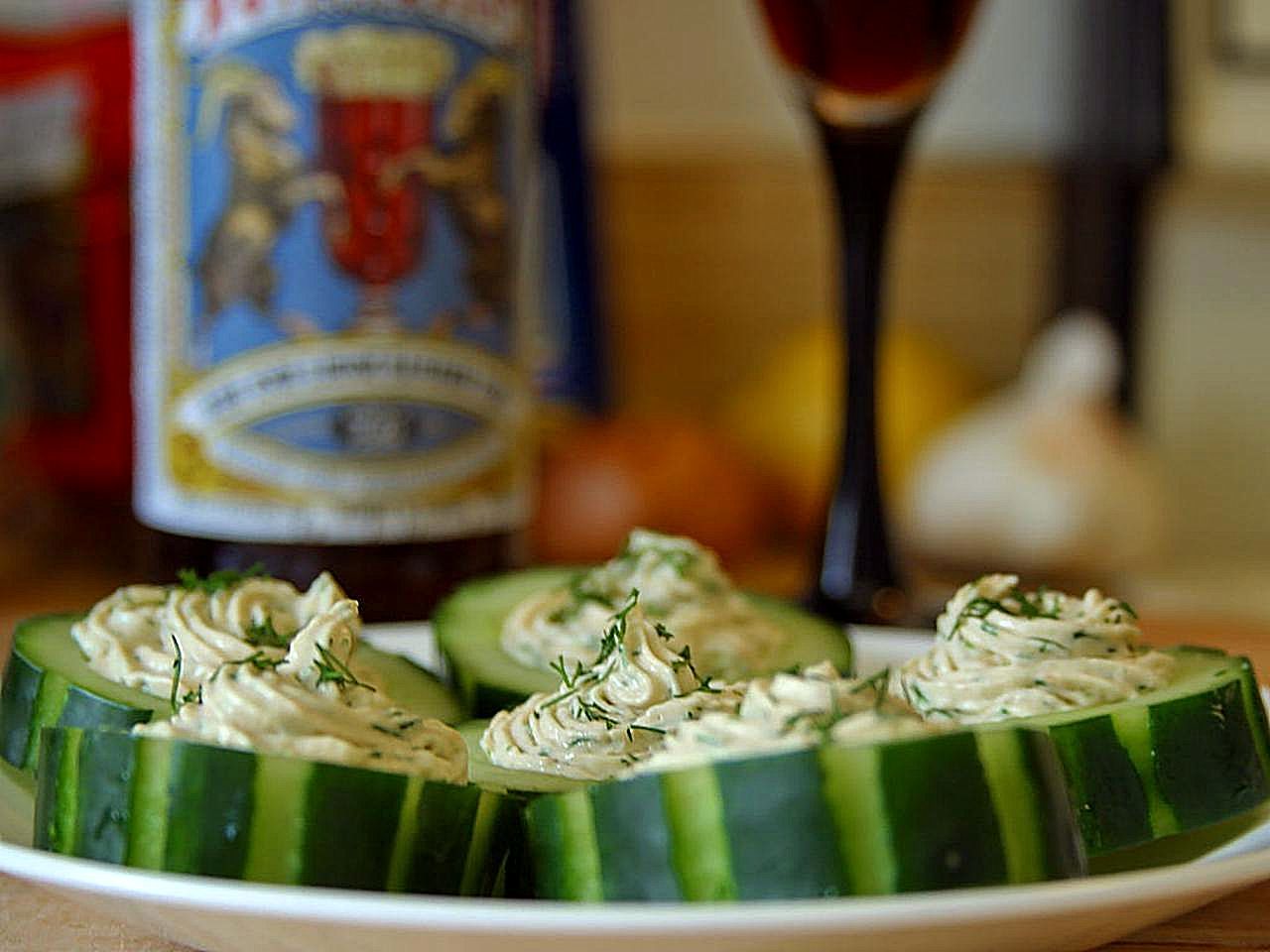
Mousse
Light, airy foam made sweet or savory, often served as dessert
Mousse is a soft dish from France made by incorporating air into a mixture, resulting in a texture that can be fluffy or creamy. Sweet mousses use whipped egg whites or cream and are flavored with chocolate, fruit, or spices, while savory versions may use fish, meat, or vegetables. It is usually chilled before serving.
- Mousse means 'foam' in French
- Made by folding air into a base mixture
- Can be sweet or savory
- Sweet versions often use chocolate or fruit
- Savory mousses may use fish, meat, or vegetables
What is Mousse?
Mousse is a dish known for its airy, light texture, created by folding air into a base mixture. The base can be sweet or savory. Sweet mousses often use whipped egg whites or cream, and are flavored with chocolate, fruit purée, coffee, caramel, or spices like vanilla or mint. Some versions include egg yolks for richness. Savory mousses might be made from fish, shellfish, meat, cheese, or vegetables. The result can be fluffy or thick, and sweet mousses are often served as desserts or cake fillings.
Where does Mousse come from?
The word 'mousse' comes from the French for 'foam'. Dishes made from whipped cream and other ingredients, sometimes shaped into pyramids and flavored with coffee, liqueur, chocolate, or fruit, were already known in France by the late 18th century. Modern mousse continues this tradition, with both sweet and savory forms evolving over time.
How is Mousse made?
To make mousse, air is incorporated into a mixture to create a light texture. For sweet mousses, whipped egg whites or cream are folded into a flavored base, such as melted chocolate or fruit purée. Sometimes egg yolks are added for extra richness. Gelatin may be used to stabilize the mixture. The mousse is then chilled to set, and may be shaped in molds. Savory mousses use similar techniques, often relying on beaten egg whites for structure.


How and when is Mousse eaten?
Sweet mousse is most often served as a dessert, either on its own or as a filling in cakes. It is usually chilled before serving, which helps it hold its shape and gives it a denser texture. Savory mousses may be served as a main course or appetizer, sometimes with bread or as a dip. The dish is enjoyed in both formal and casual settings.
Kinds of Mousse
Mousse comes in many flavors and forms. Popular sweet varieties include chocolate, vanilla, and fruit-based mousses. Some are frozen in molds for a defined shape. Savory mousses can be made from ingredients like fish, shellfish, meat, cheese, or vegetables. In the United States, molded fish mousse was especially popular in the mid-20th century, often served at parties.
What Mousse means
Mousse is a classic part of French cuisine and is widely recognized as a refined dessert. Sweet mousse is a staple in many restaurants and home kitchens, while savory versions are less common today but still appear in special meals. The dish’s versatility and elegant texture have helped it remain popular for centuries.
Questions people ask about Mousse
What is mousse made of?
Mousse is made by incorporating air into a base of whipped egg whites or cream, and is flavored with ingredients like chocolate, fruit purée, coffee, caramel, or spices. Savory mousses may use fish, meat, cheese, or vegetables.
Where does mousse come from?
Mousse comes from France, where dishes made from whipped cream and other ingredients have been known since at least the late 18th century.
Is mousse always sweet?
No, mousse can be either sweet or savory. Sweet mousses are common as desserts, while savory mousses can be made from fish, meat, cheese, or vegetables.
How is mousse served?
Sweet mousse is usually served chilled as a dessert or cake filling. Savory mousses may be served as appetizers or main dishes, sometimes with bread.
What gives mousse its texture?
Air is folded into the mixture using whipped egg whites or cream, which creates the mousse’s characteristic light and airy texture.
Good reading and sources
The facts on this page come from the Wikipedia article "Mousse", written by its contributors and used under the CC BY-SA 4.0 licence, and from its Wikidata record (CC0). Thali rewrote the text in its own words, with AI assistance, and compares every page with the article to make sure no passage is copied. It may be reused under the same CC BY-SA 4.0 licence with a link back.
It may contain mistakes, and it is not dietary or allergy advice: recipes differ from cook to cook. If something is wrong, tell us. Last refreshed 2026-10-03.
More from France
All the food of France Ice cream
🇺🇸 United States and 5 moreA frozen dessert made from sweetened, flavoured milk or cream
Sweet or dessert, Snacks
Ice cream
🇺🇸 United States and 5 moreA frozen dessert made from sweetened, flavoured milk or cream
Sweet or dessert, Snacks
 Candy
🇺🇸 United States and 5 moreSmall sweet treats made mainly from sugar or sweeteners
Sweet or dessert, Snacks
Candy
🇺🇸 United States and 5 moreSmall sweet treats made mainly from sugar or sweeteners
Sweet or dessert, Snacks
 RatatouilleVegan
🇫🇷 FranceA Provençal stew of summer vegetables cooked in olive oil
Main dish, Lunch, Dinner
RatatouilleVegan
🇫🇷 FranceA Provençal stew of summer vegetables cooked in olive oil
Main dish, Lunch, Dinner
 CroissantVegetarian
🇫🇷 France and 5 moreA crescent-shaped, flaky pastry made from layered yeast dough and butter
Pie or savoury pastry, Breakfast, Tea time
CroissantVegetarian
🇫🇷 France and 5 moreA crescent-shaped, flaky pastry made from layered yeast dough and butter
Pie or savoury pastry, Breakfast, Tea time
Its cousins elsewhere
All sweets and desserts Hot chocolate
🇲🇽 Mexico and 5 moreA warm drink made from chocolate or cocoa, milk or water, and sugar
Drink, Breakfast, Snacks
Easter egg
🇷🇺 Russia and 5 moreEggs dyed or decorated for Easter, symbolizing resurrection and new life
Sweet or dessert, Breakfast, Snacks
Hot chocolate
🇲🇽 Mexico and 5 moreA warm drink made from chocolate or cocoa, milk or water, and sugar
Drink, Breakfast, Snacks
Easter egg
🇷🇺 Russia and 5 moreEggs dyed or decorated for Easter, symbolizing resurrection and new life
Sweet or dessert, Breakfast, Snacks
 Hanukkah geltVegetarianחנוכה געלט / דמי חנוכה
🇮🇱 Israel and 1 moreChocolate coins or money given as gifts during Hanukkah
Sweet or dessert, Snacks
Hanukkah geltVegetarianחנוכה געלט / דמי חנוכה
🇮🇱 Israel and 1 moreChocolate coins or money given as gifts during Hanukkah
Sweet or dessert, Snacks
 Chocolate brownieVegetarianBrownie
🇺🇸 United States and 2 moreDense chocolate squares baked as a bar, often served warm or with toppings
Sweet or dessert, Snacks, Tea time
Chocolate brownieVegetarianBrownie
🇺🇸 United States and 2 moreDense chocolate squares baked as a bar, often served warm or with toppings
Sweet or dessert, Snacks, Tea time