
Nasi kandar
In its own language: ناسي كاندر
Steamed rice with mixed curries and side dishes, served in northern Malaysia
Nasi kandar is a northern Malaysian meal from Penang, created by Tamil Muslim traders from India. It features steamed rice topped with a mix of curries, gravies, and side dishes such as fried chicken, okra, and eggs. Traditionally served on a single plate, it is a main course found in Muslim-owned eateries and enjoyed at any time of day.
- Nasi kandar began as a street food sold by Tamil Muslim traders in Penang.
- The dish is known for rice 'flooded' with a mix of curry gravies.
- Common sides include fried chicken, okra, brinjal, and boiled eggs.
- It is most closely linked to Muslim-owned eateries in Malaysia and Singapore.
- Hameediyah in Penang is the oldest known nasi kandar restaurant, opened in 1907.
What is Nasi kandar?
Nasi kandar is a meal of steamed rice served with a variety of curries and side dishes. The rice is topped with gravies made from meat, seafood, or vegetables, and often comes with fried chicken, beef, mutton, or seafood like prawns and squid. Vegetables such as okra, brinjal (eggplant), and bitter gourd are common sides. A signature feature is the 'banjir' or 'flooded' style, where a mix of different curry gravies is poured over the rice, giving it a rich, layered taste. The dish is usually served on a single plate, sometimes with small bowls for the sides.
Where does Nasi kandar come from?
Nasi kandar began in Penang in the early 1900s, introduced by Tamil Muslim traders from India. Vendors would carry rice and curries in brass pots balanced on a bamboo or wooden pole across their shoulders, selling meals to dock workers and locals. The name likely comes from the Malay word for rice and the Urdu or Malay term for shoulder, referring to this carrying method. Over time, the dish moved from street hawkers to permanent stalls and restaurants, especially from the 1970s onward. Hameediyah, Penang's oldest nasi kandar restaurant, dates back to 1907.
How is Nasi kandar made?
To prepare nasi kandar, steamed rice is kept in a tall wooden container for aroma. The rice is then served with a selection of curries, which may include beef, mutton, fish, or seafood, and an assortment of gravies. Side dishes such as fried chicken, boiled eggs, okra, brinjal, or bitter gourd are added. Traditionally, all items are placed on one plate, and a mix of curry gravies is poured over the rice. Today, some places use small bowls for sides, but the curry mix on rice remains essential.


How and when is Nasi kandar eaten?
Nasi kandar is eaten at any meal, from breakfast to dinner, and is common in Muslim-owned restaurants in Malaysia and Singapore. It is typically served on a single plate, and diners choose their preferred curries and side dishes from a display. The meal is enjoyed by people from all backgrounds, but its roots and preparation are closely tied to the Indian Muslim community. The dish is often eaten with hands, though cutlery is also used.
Kinds of Nasi kandar
Several related dishes exist, each with its own twist. Nasi dalca uses dalcha gravy and sometimes ghee rice. Nasi ganja, popular in Ipoh, features yellow rice with herbs. Nasi lemak royale, found in Alor Setar, uses yellow or glutinous rice and sweeter curries. Nasi maduri from Perlis is also yellow and served with dalca and curries. Nasi tomato, common in Penang and Kedah, uses tomato-flavored rice and a variety of curries.
What Nasi kandar means
Nasi kandar is a symbol of Penang's multicultural food scene and is especially associated with the Indian Muslim community. Its origins as a street food sold to dock workers reflect its working-class roots. Today, it is found in both small stalls and large restaurant chains, though purists debate the authenticity of newer versions. The dish highlights Malaysia's religious and cultural diversity, with Muslim-owned shops specializing in it.
Questions people ask about Nasi kandar
What is nasi kandar made of?
Nasi kandar consists of steamed rice served with a variety of curries and side dishes. Typical ingredients include meat or seafood curries, fried chicken, vegetables like okra and brinjal, and boiled eggs. A mix of curry gravies is poured over the rice.
Where does nasi kandar come from?
Nasi kandar originated in Penang, Malaysia, in the early 1900s. It was introduced by Tamil Muslim traders from India, who sold rice and curry meals to dock workers and locals.
How is nasi kandar served?
The rice and chosen side dishes are placed on a single plate, and a mix of different curry gravies is poured over the top. This is called 'banjir' or 'flooded' style. Sometimes, small bowls are used for the sides.
Is nasi kandar always spicy?
The curries served with nasi kandar can range from mildly spiced to hot, depending on the cook and the selection of gravies. Diners can usually choose which curries and how much to add.
Are there different types of nasi kandar?
Yes, there are several related dishes, such as nasi dalca, nasi ganja, nasi lemak royale, nasi maduri, and nasi tomato. Each uses different types of rice, gravies, or side dishes, but all share the curry-based approach.
Good reading and sources
The facts on this page come from the Wikipedia article "Nasi kandar", written by its contributors and used under the CC BY-SA 4.0 licence, and from its Wikidata record (CC0). Thali rewrote the text in its own words, with AI assistance, and compares every page with the article to make sure no passage is copied. It may be reused under the same CC BY-SA 4.0 licence with a link back.
It may contain mistakes, and it is not dietary or allergy advice: recipes differ from cook to cook. If something is wrong, tell us. Last refreshed 2026-10-03.
More from Malaysia
All the food of Malaysia Biryani
🇮🇳 India and 5 moreRice and spiced meat or vegetables layered and cooked together
Main dish, Lunch, Dinner
Biryani
🇮🇳 India and 5 moreRice and spiced meat or vegetables layered and cooked together
Main dish, Lunch, Dinner
 Roti canaiரொட்டி சென்னை
🇲🇾 Malaysia and 5 moreUnleavened flatbread tossed thin and cooked until crisp, served with curry or dal
Bread, Breakfast, Snacks
Roti canaiரொட்டி சென்னை
🇲🇾 Malaysia and 5 moreUnleavened flatbread tossed thin and cooked until crisp, served with curry or dal
Bread, Breakfast, Snacks
 BreadfruitVegan
🇵🇭 Philippines and 4 moreLarge tropical fruit cooked as a starchy staple in many island cuisines
Main dish, Lunch, Dinner
BreadfruitVegan
🇵🇭 Philippines and 4 moreLarge tropical fruit cooked as a starchy staple in many island cuisines
Main dish, Lunch, Dinner
Its cousins elsewhere
All main dishes Lasagnalasagne
🇮🇹 ItalyBaked layers of pasta sheets, sauce, cheese and fillings from Italy
Main dish, Lunch, Dinner
Lasagnalasagne
🇮🇹 ItalyBaked layers of pasta sheets, sauce, cheese and fillings from Italy
Main dish, Lunch, Dinner
 Pie
🇬🇧 United Kingdom and 5 moreA baked dish with a pastry crust and sweet or savoury filling
Main dish, Lunch, Dinner
Pie
🇬🇧 United Kingdom and 5 moreA baked dish with a pastry crust and sweet or savoury filling
Main dish, Lunch, Dinner
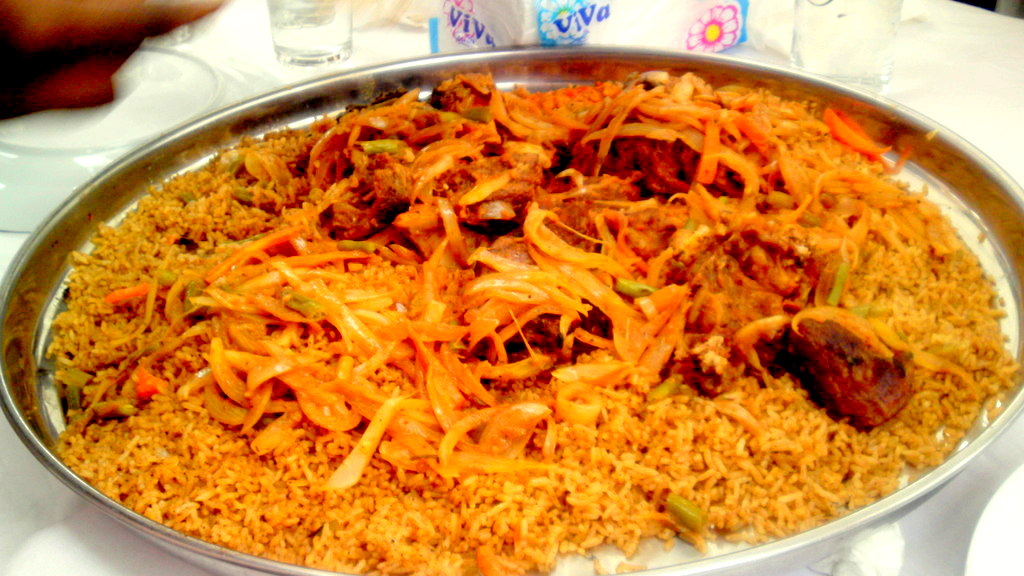 Riz grasMeat
🇧🇫 Burkina Faso and 4 moreWest African rice cooked with meat and vegetables, served hot
Main dish, Lunch, Dinner
Riz grasMeat
🇧🇫 Burkina Faso and 4 moreWest African rice cooked with meat and vegetables, served hot
Main dish, Lunch, Dinner
 Cabbage roll
🇺🇦 Ukraine and 5 moreCooked cabbage leaves wrapped around seasoned fillings, simmered or baked
Main dish, Lunch, Dinner
Cabbage roll
🇺🇦 Ukraine and 5 moreCooked cabbage leaves wrapped around seasoned fillings, simmered or baked
Main dish, Lunch, Dinner