
Roti canai
In its own language: ரொட்டி சென்னை
Unleavened flatbread tossed thin and cooked until crisp, served with curry or dal
Roti canai is a flaky, unleavened flatbread of Indian origin, now a staple breakfast and snack in Malaysia, Singapore, Indonesia, Brunei, and Thailand. Made from flour, water, and fat, it is stretched thin, folded, and fried, then served hot with dal or curry. It has many savoury and sweet variations and is a common sight at street stalls.
- Roti canai is tossed until paper-thin before frying
- It is usually served with dal or curry
- Malaysia's breakfast culture with roti canai is UNESCO-listed since 2024
- Many sweet and savoury versions exist, including with egg, cheese, or banana
- Known as roti prata in Singapore and roti cane or roti maryam in Indonesia
What is Roti canai?
Roti canai is a flat, round bread with a crisp, flaky outside and soft, layered inside. It is made from an unleavened dough of flour, water, and fat, sometimes with sweetened condensed milk. The dough is stretched until almost see-through, then folded and cooked on a hot griddle. It is usually served with dal (lentil curry) or other curries, but can also be filled or topped with eggs, onions, cheese, or sweet ingredients like bananas or condensed milk. The bread is golden and slightly chewy, with a mild, buttery taste.
Where does Roti canai come from?
Roti canai was brought to Southeast Asia by South Indian migrants, especially during British colonial times. It became a popular street food in Malaysia, Singapore, Indonesia, Brunei, and Thailand, especially in areas with Indian communities. The name may come from the Malay word for rolling dough, though some link it to the city of Chennai. Over time, it has become a local favourite, with both Malaysia and Singapore claiming it as a national dish. In 2024, Malaysia succeeded in having it listed as part of UNESCO's Intangible Cultural Heritage.
How is Roti canai made?
To make roti canai, flour, water, and ghee (clarified butter) are kneaded into a soft dough. The dough is divided into balls, which are oiled and rested. Each ball is then flattened and tossed or stretched until paper-thin, then folded into a spiral or knot to create layers. The shaped dough is pressed flat and fried on a hot griddle until golden and crisp. For filled versions, ingredients like egg, onion, or cheese are added before folding. Sweet versions may include banana or condensed milk.


How and when is Roti canai eaten?
Roti canai is most often eaten hot, fresh from the griddle, for breakfast or as a snack. It is commonly served with dal or a choice of curries, such as chicken, beef, mutton, or fish. In some places, it is eaten with sugar or sweetened condensed milk, especially for children. It is a popular street food, sold at mamak stalls and roadside carts, and is often enjoyed with tea or coffee. People may tear it into pieces and dip it into sauce, or eat it with their hands.
Kinds of Roti canai
There are many regional and creative versions of roti canai. Plain roti is called roti kosong. Other types are filled with egg (roti telur), onion (roti bawang), sardine, cheese, or banana. Some are rolled with margarine and sugar (roti planta), or made extra thin and crisp (roti tisu). In Indonesia, sweet toppings like chocolate or cheese are common. Murtabak is a thicker, stuffed version with meat and egg. Local names and fillings vary by country and region.
What Roti canai means
Roti canai is a symbol of multicultural life in Malaysia and Singapore, reflecting Indian roots and local tastes. It is a daily food for many, sold at mamak stalls run by Indian Muslims. In 2024, Malaysia's breakfast culture, including roti canai, was recognized by UNESCO as intangible heritage. The bread is a point of friendly rivalry between Malaysia and Singapore, both claiming it as their own. Its presence at street stalls and markets makes it a familiar part of daily life across Southeast Asia.
Questions people ask about Roti canai
What is roti canai made of?
Roti canai is made from an unleavened dough of flour, water, and fat such as ghee. Some versions also include sweetened condensed milk. The dough is stretched thin, folded, and fried on a griddle.
Where does roti canai come from?
Roti canai has Indian origins and was brought to Southeast Asia by South Indian migrants. It is now a staple in Malaysia, Singapore, Indonesia, Brunei, and Thailand.
How is roti canai usually served?
It is typically served hot with dal (lentil curry) or various meat or fish curries. Sweet versions may be served with sugar or condensed milk.
Are there different types of roti canai?
Yes, there are many variations, including versions filled with egg, onion, sardine, cheese, or banana. There are also sweet types with chocolate or condensed milk, and thicker stuffed versions called murtabak.
Is roti canai vegetarian?
Plain roti canai and those served with dal or vegetable curry are vegetarian. However, some variations include meat, egg, or fish, so it depends on the filling and accompaniments.
Good reading and sources
- Why people in Southeast Asia can’t get enough of roti canaiSouth China Morning Post, Article
- Breakfast culture in Malaysia: dining experience in a multi-ethnic societyUNESCO, Article
The facts on this page come from the Wikipedia article "Roti canai", written by its contributors and used under the CC BY-SA 4.0 licence, and from its Wikidata record (CC0). Thali rewrote the text in its own words, with AI assistance, and compares every page with the article to make sure no passage is copied. It may be reused under the same CC BY-SA 4.0 licence with a link back.
It may contain mistakes, and it is not dietary or allergy advice: recipes differ from cook to cook. If something is wrong, tell us. Last refreshed 2026-10-03.
More from Malaysia
All the food of Malaysia Biryani
🇮🇳 India and 5 moreRice and spiced meat or vegetables layered and cooked together
Main dish, Lunch, Dinner
Biryani
🇮🇳 India and 5 moreRice and spiced meat or vegetables layered and cooked together
Main dish, Lunch, Dinner
 BreadfruitVegan
🇵🇭 Philippines and 4 moreLarge tropical fruit cooked as a starchy staple in many island cuisines
Main dish, Lunch, Dinner
BreadfruitVegan
🇵🇭 Philippines and 4 moreLarge tropical fruit cooked as a starchy staple in many island cuisines
Main dish, Lunch, Dinner
 Nasi katokناسي كاتوق
🇧🇳 Brunei and 1 moreBrunei's rice meal with fried chicken and spicy sambal, often wrapped in brown paper
Main dish, Lunch, Dinner
Nasi katokناسي كاتوق
🇧🇳 Brunei and 1 moreBrunei's rice meal with fried chicken and spicy sambal, often wrapped in brown paper
Main dish, Lunch, Dinner
Its cousins elsewhere
All breads BaguetteVegan
🇫🇷 France and 5 moreLong, thin French bread with a crisp crust and soft interior
Bread, Breakfast, Lunch
BaguetteVegan
🇫🇷 France and 5 moreLong, thin French bread with a crisp crust and soft interior
Bread, Breakfast, Lunch
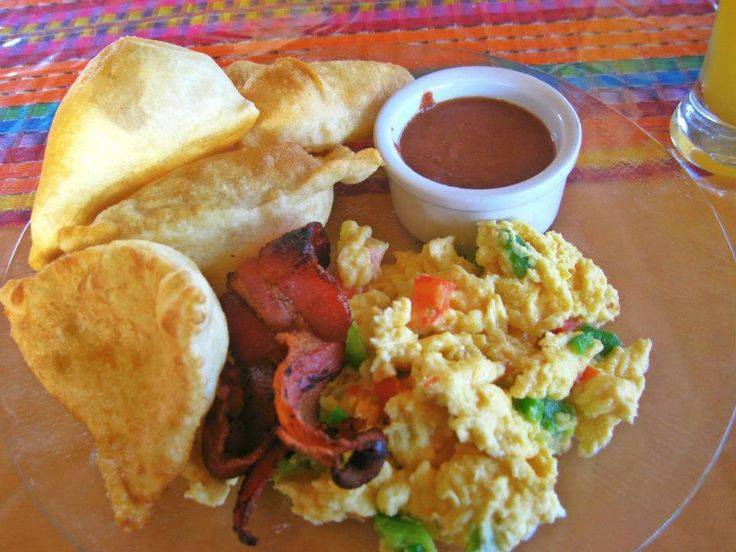 Fry jackVegetarian
🇧🇿 BelizeDeep-fried breakfast dough from Belize, served plain or with sweet or savoury toppings
Bread, Breakfast
Fry jackVegetarian
🇧🇿 BelizeDeep-fried breakfast dough from Belize, served plain or with sweet or savoury toppings
Bread, Breakfast
 BriocheVegetarianune brioche
🇫🇷 FranceFrench bread made with eggs and butter, often shaped in rounds or loaves
Bread, Breakfast, Snacks
BriocheVegetarianune brioche
🇫🇷 FranceFrench bread made with eggs and butter, often shaped in rounds or loaves
Bread, Breakfast, Snacks
 MatzahVeganמצה
🇪🇬 Egypt and 3 moreUnleavened flatbread central to the Jewish Passover festival
Bread, Dinner
MatzahVeganמצה
🇪🇬 Egypt and 3 moreUnleavened flatbread central to the Jewish Passover festival
Bread, Dinner