
Pitha
Rice or wheat cakes, sweet or savoury, steamed, fried or griddled in eastern South Asia
Pitha refers to a wide range of snacks and sweets from eastern South Asia, especially Bangladesh and eastern India. Made mainly from rice or wheat flour, pithas can be sweet or savoury, filled or plain, and are cooked by steaming, frying, or griddling. They are enjoyed at breakfast, as snacks with tea, or during festivals and special occasions.
- Made mainly from rice or wheat flour, sometimes with coconut or jaggery
- Cooked by steaming, frying, or griddling; rarely baked or boiled
- Popular in Bangladesh and eastern Indian states like Odisha and Assam
- Served at festivals, religious events, and as everyday snacks
- Can be sweet or savoury, filled or plain
What is Pitha?
Pitha is a group of foods from eastern South Asia that includes cakes, dumplings, pancakes, and fritters. Most are made with rice flour, though wheat flour is also used. Pithas can be sweet or savoury, with some filled with coconut, jaggery, or vegetables, and others plain. They are cooked in many ways: steamed, fried, griddled, or occasionally baked. Some are shaped or decorated after cooking, and a few are soaked in syrup. Pithas can be soft, crisp, or chewy, depending on the type.
Where does Pitha come from?
Pitha comes from the eastern part of the Indian subcontinent, especially Bangladesh and states like West Bengal, Odisha, Assam, and Tripura in India. The tradition of making pitha is deeply rooted in local festivals and rituals, with some varieties linked to temple offerings and religious observances. In Odisha, for example, pitha is part of daily offerings at the Jagannatha Temple in Puri. Over time, each region has developed its own types and customs around pitha.
How is Pitha made?
To make pitha, rice or wheat flour is mixed with water or milk to form a dough or batter. This may be left plain or filled with sweet mixtures like coconut and jaggery, or savoury fillings such as mashed vegetables. The shaped pithas are then cooked by steaming, frying in oil or ghee, or griddling on a hot plate. Some are slow-roasted or boiled. Sweet pithas may be flavoured with cardamom or camphor, and some are finished with syrup or milk.


How and when is Pitha eaten?
Pitha is enjoyed at many times of day: as breakfast, a snack with tea, or as part of lunch or dinner. In Bangladesh and eastern India, pitha is especially popular during festivals, harvest celebrations, and winter months. It is often served at gatherings, fairs, and family events. Some pithas are made only for special occasions, while others are everyday treats. Sweet pithas may be eaten as desserts, while savoury ones can be part of a meal.
Kinds of Pitha
There are hundreds of pitha varieties, each region having its own favourites. In Odisha, types like enduri pitha and poda pitha are tied to festivals and temple rituals. Assam is known for rice-based pithas like kachi pitha and sunga pitha, often made with local glutinous rice. In Bengal and Bangladesh, pithas such as patishapta, bhapa pitha, and dudh puli are linked to harvest festivals. Shapes, fillings, and cooking methods vary widely.
What Pitha means
Pitha holds a special place in the culture of eastern South Asia. It is closely tied to festivals, religious ceremonies, and seasonal celebrations like Makar Sankranti and Nabanna. In Odisha, pitha is part of temple offerings, while in Bengal and Bangladesh, pitha fairs are held during winter. The making and sharing of pitha is seen as a way to mark important occasions and bring families and communities together.
When Pitha is on the table
Questions people ask about Pitha
What is pitha made of?
Pitha is usually made from rice flour or wheat flour, sometimes with fillings like coconut, jaggery, or vegetables. Sweeteners such as sugar, jaggery, or palm syrup are common, and some types use milk or spices like cardamom.
Where does pitha come from?
Pitha originates from the eastern part of the Indian subcontinent, especially Bangladesh and Indian regions such as Odisha, Assam, West Bengal, and Tripura.
Is pitha always sweet?
No, pitha can be sweet or savoury. Sweet pithas often contain coconut, jaggery, or sugar, while savoury ones may have fillings like mashed vegetables or spices.
How is pitha cooked?
Pitha can be steamed, fried in oil or ghee, griddled on a hot plate, or occasionally baked or boiled. The cooking method depends on the type and regional tradition.
When is pitha usually eaten?
Pitha is eaten at breakfast, as a snack with tea, or during lunch or dinner. It is especially popular during festivals and special occasions in Bangladesh and eastern India.
Good reading and sources
The facts on this page come from the Wikipedia article "Pitha", written by its contributors and used under the CC BY-SA 4.0 licence, and from its Wikidata record (CC0). Thali rewrote the text in its own words, with AI assistance, and compares every page with the article to make sure no passage is copied. It may be reused under the same CC BY-SA 4.0 licence with a link back.
It may contain mistakes, and it is not dietary or allergy advice: recipes differ from cook to cook. If something is wrong, tell us. Last refreshed 2026-10-03.
More from Bangladesh
All the food of Bangladesh Nakshi PithaVegetarianনকশি পিঠা
🇧🇩 BangladeshRice flour cakes shaped with intricate patterns, from Bangladesh
Sweet or dessert
Nakshi PithaVegetarianনকশি পিঠা
🇧🇩 BangladeshRice flour cakes shaped with intricate patterns, from Bangladesh
Sweet or dessert
 Gulab jamunVegetarian
🇮🇳 India and 3 moreDeep-fried milk dough balls soaked in rose-scented sugar syrup
Sweet or dessert
Gulab jamunVegetarian
🇮🇳 India and 3 moreDeep-fried milk dough balls soaked in rose-scented sugar syrup
Sweet or dessert
 KulfiVegetarian
🇮🇳 India and 2 moreFrozen sweet made from slow-cooked milk, often flavoured with nuts or spices
Sweet or dessert, Snacks
KulfiVegetarian
🇮🇳 India and 2 moreFrozen sweet made from slow-cooked milk, often flavoured with nuts or spices
Sweet or dessert, Snacks
 RasgullaVegetarian
🇮🇳 India and 2 moreSoft chhena balls simmered in light sugar syrup
Sweet or dessert, Snacks, Tea time
RasgullaVegetarian
🇮🇳 India and 2 moreSoft chhena balls simmered in light sugar syrup
Sweet or dessert, Snacks, Tea time
Its cousins elsewhere
All sweets and desserts Doughnut
🇺🇸 United States and 5 moreSweet fried or baked rings or balls, often glazed or filled
Sweet or dessert, Breakfast, Snacks
Doughnut
🇺🇸 United States and 5 moreSweet fried or baked rings or balls, often glazed or filled
Sweet or dessert, Breakfast, Snacks
 Crêpe
🇫🇷 FranceThin French pancakes, served sweet or savoury with a range of fillings
Main dish, Breakfast, Lunch
Crêpe
🇫🇷 FranceThin French pancakes, served sweet or savoury with a range of fillings
Main dish, Breakfast, Lunch
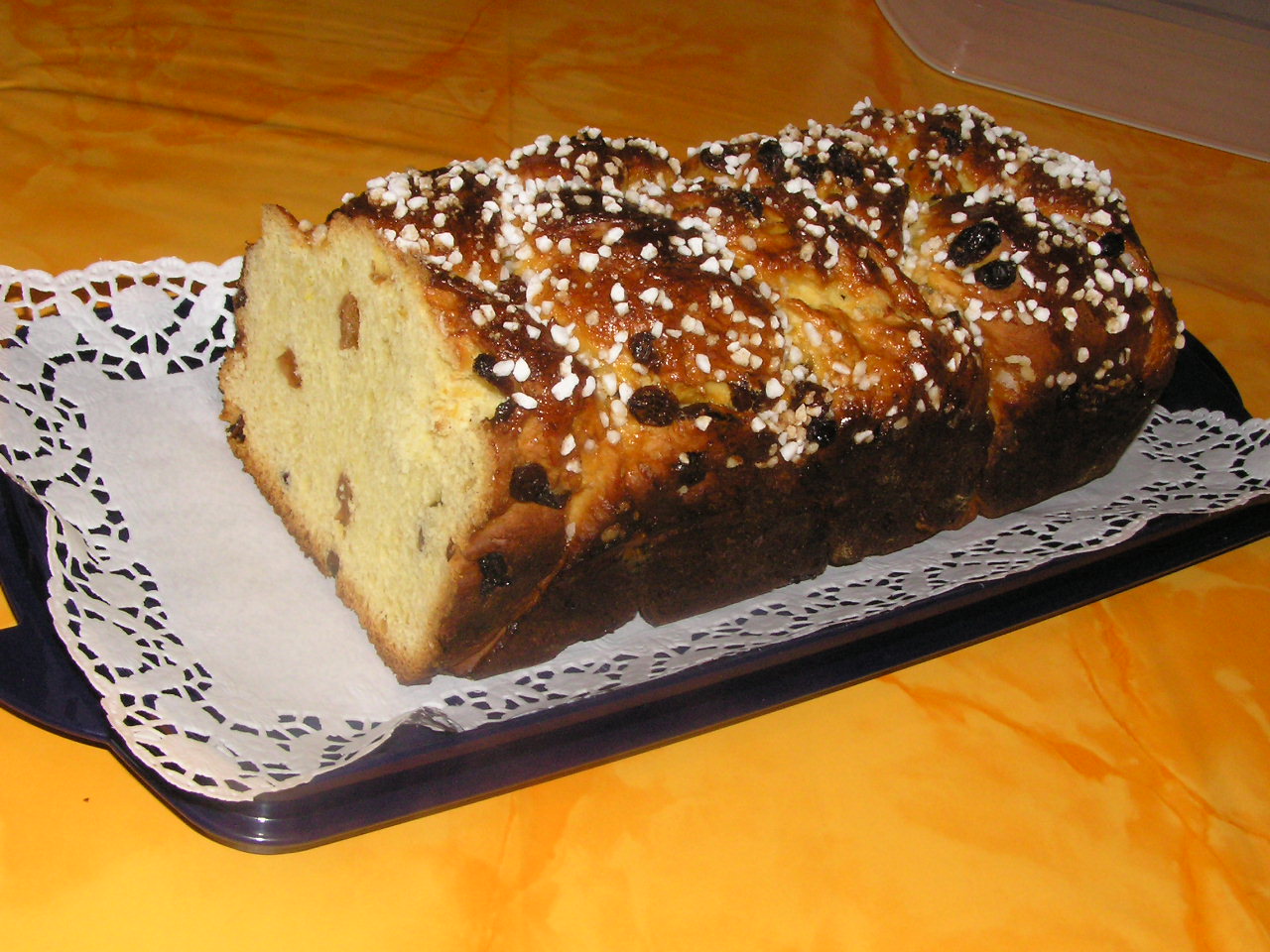 Cozonac
🇷🇴 Romania and 4 moreA sweet, enriched bread often filled with nuts or dried fruit, baked for Easter
Sweet or dessert, Tea time, Snacks
Cozonac
🇷🇴 Romania and 4 moreA sweet, enriched bread often filled with nuts or dried fruit, baked for Easter
Sweet or dessert, Tea time, Snacks
 Umm AliVegetarianأم علي
🇪🇬 Egypt and 2 moreEgyptian dessert of soaked pastry, milk, nuts and sugar, baked until golden
Sweet or dessert, Dinner, Snacks
Umm AliVegetarianأم علي
🇪🇬 Egypt and 2 moreEgyptian dessert of soaked pastry, milk, nuts and sugar, baked until golden
Sweet or dessert, Dinner, Snacks