Sabaayad
Square, chewy flatbread from Somalia, often eaten at breakfast or dinner
Sabaayad is a square, slightly flaky flatbread from Somalia, also found in Kenya, Ethiopia, and Djibouti. Made from flour, water, and salt, it is pan-fried and served warm. People enjoy it at breakfast or dinner, often with honey, butter, jam, or alongside tea, soups, and stews.
- Sabaayad is a chewy, square flatbread from Somalia
- Made with flour, water, salt, and sometimes oil and honey
- Pan-fried until golden and served warm
- Eaten at breakfast or dinner, often with tea
- Also known as Kimis or Ceesh
What is Sabaayad?
Sabaayad is a flatbread with a chewy texture and a slightly flaky surface. It is usually shaped into rough squares and cooked on a pan until golden brown. The dough is made from plain flour, water, and salt, sometimes with a touch of oil and honey for flavor and softness. When cooked, the bread is warm and flexible, making it easy to tear and dip. Sabaayad is often served with sweet or savory sides, such as honey, butter, or jam, and can also be paired with stews or meat dishes.
Where does Sabaayad come from?
Sabaayad comes from Somalia and is a staple in Somali cuisine. It is also commonly eaten in neighboring countries like Kenya, Ethiopia, and Djibouti. The bread is a familiar part of daily meals, especially at breakfast and dinner. Its method of preparation and square shape set it apart from other regional flatbreads, though it shares similarities with breads like paratha and msemen found elsewhere in Africa and South Asia.
How is Sabaayad made?
To make sabaayad, flour and salt are mixed, then oil and honey are added, followed by water to form a soft dough. The dough is kneaded until smooth and left to rest. It is then divided, shaped into balls, rolled out, brushed with oil, and folded into squares. Each square is rolled again and pan-fried on a hot skillet with a bit of oil until both sides are golden and slightly crisp. The bread is kept warm under a towel until served.
How and when is Sabaayad eaten?
Sabaayad is most often eaten warm, either at breakfast or dinner. It is commonly served with honey, butter, or jam, and is sometimes enjoyed with tea. The bread also accompanies savory dishes such as soups, stews, or meats. Its soft, chewy texture makes it suitable for dipping or scooping up other foods. Sabaayad is a familiar sight on Somali tables, both for everyday meals and when guests are present.
Kinds of Sabaayad
While the basic sabaayad uses flour, water, and salt, some versions include oil and honey for added flavor and softness. The bread may also be made with different types of oil, such as olive or canola. Though typically square, the shape and thickness can vary slightly from cook to cook. Sabaayad is related to other flatbreads like paratha and msemen, which are found in other regions but differ in folding and ingredients.
What Sabaayad means
Sabaayad holds a place in daily life across Somalia and neighboring countries. It is a common part of breakfast and dinner, often shared with family or guests. The bread is valued for its versatility, pairing well with both sweet and savory foods. While not tied to specific religious or festive occasions, sabaayad is a symbol of Somali hospitality and home cooking.
Questions people ask about Sabaayad
What is sabaayad made of?
Sabaayad is made from plain flour, water, and salt, with some recipes adding oil and honey for softness and flavor.
Where does sabaayad come from?
Sabaayad comes from Somalia and is also eaten in Kenya, Ethiopia, and Djibouti.
How is sabaayad cooked?
The dough is rolled, folded into squares, and pan-fried on a skillet with a little oil until golden brown.
When is sabaayad usually eaten?
It is commonly eaten at breakfast or dinner, often served warm with honey, butter, jam, or alongside tea and stews.
What does sabaayad taste like?
Sabaayad has a chewy texture with a slightly flaky surface and a mild, comforting flavor from the flour and a hint of oil or honey.
Good reading and sources
The facts on this page come from the Wikipedia article "Sabaayad", written by its contributors and used under the CC BY-SA 4.0 licence, and from its Wikidata record (CC0). Thali rewrote the text in its own words, with AI assistance, and compares every page with the article to make sure no passage is copied. It may be reused under the same CC BY-SA 4.0 licence with a link back.
It may contain mistakes, and it is not dietary or allergy advice: recipes differ from cook to cook. If something is wrong, tell us. Last refreshed 2026-10-03.
More from Somalia
All the food of Somalia Qamar al-DinVeganقمر الدين
🇸🇾 Syria and 3 moreThick apricot fruit leather and drink, especially served during Ramadan
Drink, Snacks
Qamar al-DinVeganقمر الدين
🇸🇾 Syria and 3 moreThick apricot fruit leather and drink, especially served during Ramadan
Drink, Snacks
 Bariis iskukarisMeat
🇸🇴 SomaliaSomali rice cooked with meat, spices and vegetables in one pot
Main dish, Lunch, Dinner
Bariis iskukarisMeat
🇸🇴 SomaliaSomali rice cooked with meat, spices and vegetables in one pot
Main dish, Lunch, Dinner
Its cousins elsewhere
All breads BaguetteVegan
🇫🇷 France and 5 moreLong, thin French bread with a crisp crust and soft interior
Bread, Breakfast, Lunch
BaguetteVegan
🇫🇷 France and 5 moreLong, thin French bread with a crisp crust and soft interior
Bread, Breakfast, Lunch
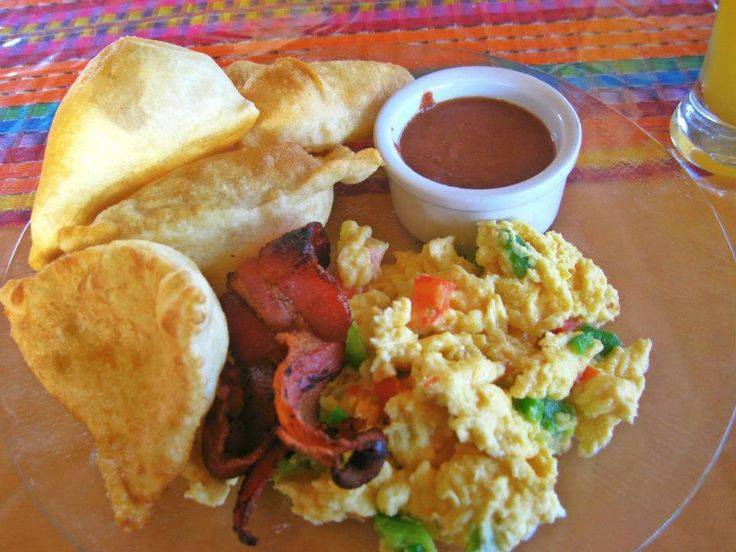 Fry jackVegetarian
🇧🇿 BelizeDeep-fried breakfast dough from Belize, served plain or with sweet or savoury toppings
Bread, Breakfast
Fry jackVegetarian
🇧🇿 BelizeDeep-fried breakfast dough from Belize, served plain or with sweet or savoury toppings
Bread, Breakfast
 Bagel
🇵🇱 Poland and 2 moreRing-shaped bread roll, boiled then baked for a dense, chewy texture
Bread, Breakfast, Lunch
Bagel
🇵🇱 Poland and 2 moreRing-shaped bread roll, boiled then baked for a dense, chewy texture
Bread, Breakfast, Lunch
 FocacciaVegetarian
🇮🇹 Italy and 1 moreItalian flatbread baked with olive oil and often herbs or salt
Bread, Breakfast, Snacks
FocacciaVegetarian
🇮🇹 Italy and 1 moreItalian flatbread baked with olive oil and often herbs or salt
Bread, Breakfast, Snacks