
Smørrebrød
Open-faced sandwich on rye bread with assorted toppings, from Denmark
Smørrebrød is a Scandinavian open-faced sandwich, most closely linked with Denmark, made by topping a slice of dense rye bread (rugbrød) with butter and a variety of ingredients such as cold cuts, fish, cheese, spreads, and garnishes. It is eaten for both everyday meals and festive occasions, with toppings that change by season and custom.
- Built on dense, dark rye bread called rugbrød
- Topped with butter and a wide range of meats, fish, cheese, or spreads
- Eaten with utensils, not by hand
- Hundreds of traditional and modern topping combinations exist
- Served at both everyday meals and festive occasions
What is Smørrebrød?
Smørrebrød is an open-faced sandwich built on a slice of dense, dark rye bread called rugbrød. The bread is usually buttered, then layered with toppings such as cold cuts, pieces of meat or fish, cheese, spreads, and garnishes like onion, pickles, or herbs. Toppings can range from pickled herring and liver pâté to smoked salmon, roast beef, or boiled eggs. The look of smørrebrød is colorful and varied, with each piece often carefully arranged and garnished. The taste depends on the chosen toppings, but the base is always hearty rye bread.
Where does Smørrebrød come from?
Smørrebrød comes from Denmark and is also found in Norway and Sweden, where it is known as smørbrød and smörgås. The name means 'butter and bread' in Danish. Rye bread has long been central to the Scandinavian diet, and the tradition of topping it with butter and other foods grew over time. While its exact origins are not detailed, smørrebrød became a staple of Danish cuisine and spread throughout the region. It is now a symbol of Danish food culture.
How is Smørrebrød made?
To make smørrebrød, a slice of rye bread is buttered and then topped with a selection of ingredients. Common toppings include pickled or smoked fish, cold cuts, liver pâté, cheese, eggs, and various spreads. Garnishes such as onions, pickles, cress, or remoulade are added for flavor and appearance. For festive meals, toppings are often served in courses, starting with fish, then meat, and ending with cheese. Some versions use white bread instead of rye, especially for certain fish or shrimp toppings.


How and when is Smørrebrød eaten?
Smørrebrød is usually eaten at lunch or dinner, both as an everyday meal and at festive gatherings. It is often served as part of a spread, where diners help themselves to bread and toppings passed around the table. The sandwich is typically eaten with utensils, not by hand. At special occasions, warm dishes may be added alongside the cold toppings. Seasonal ingredients are used, and some versions are linked to holidays like Easter or Christmas. Smørrebrød can be enjoyed at home, in cafes, or at formal events.
Kinds of Smørrebrød
There are hundreds of smørrebrød combinations, from classic to creative. Some well-known types include Dyrlægens natmad (liver pâté, salt beef, aspic), eel with scrambled eggs, roast beef with remoulade, and stjerneskud (two kinds of fish with shrimp and caviar). Regional and seasonal variations use ingredients like new potatoes in summer or head cheese at Christmas. Swedish julmacka is a Christmas version made from holiday leftovers. The choice of bread and toppings can also vary by taste and occasion.
What Smørrebrød means
Smørrebrød is a key part of Danish and Scandinavian food culture, served at both daily meals and festive gatherings. It reflects the importance of bread, especially rye, in the region's diet. The open-faced sandwich is associated with hospitality and tradition, and its preparation and presentation are valued. Some smørrebrød types are linked to specific holidays or social occasions. The dish is also featured in Danish literature and cookbooks, and is recognized internationally as a symbol of Danish cuisine.
Questions people ask about Smørrebrød
What is smørrebrød made of?
Smørrebrød is made by buttering a slice of dense rye bread and topping it with ingredients like cold cuts, meat, fish, cheese, spreads, and garnishes such as onions or herbs.
Where does smørrebrød come from?
Smørrebrød comes from Denmark and is also found in Norway and Sweden. It is a traditional part of Scandinavian cuisine.
Is smørrebrød always made with rye bread?
Most smørrebrød is made with rugbrød, a dark rye bread, but some versions use white bread, especially for certain fish or shrimp toppings.
When is smørrebrød usually eaten?
It is commonly eaten for lunch or dinner, both as an everyday meal and at festive gatherings. Some versions are linked to holidays like Easter or Christmas.
How is smørrebrød served and eaten?
Smørrebrød is typically served as part of a spread, with bread and toppings passed around the table. It is eaten with utensils rather than by hand.
Good reading and sources
The facts on this page come from the Wikipedia article "Smørrebrød", written by its contributors and used under the CC BY-SA 4.0 licence, and from its Wikidata record (CC0). Thali rewrote the text in its own words, with AI assistance, and compares every page with the article to make sure no passage is copied. It may be reused under the same CC BY-SA 4.0 licence with a link back.
It may contain mistakes, and it is not dietary or allergy advice: recipes differ from cook to cook. If something is wrong, tell us. Last refreshed 2026-10-03.
More from Norway
All the food of Norway Fish and chipsFish or seafood
🇬🇧 United Kingdom and 8 moreBattered fried fish served hot with thick-cut chips
Main dish, Lunch, Dinner
Fish and chipsFish or seafood
🇬🇧 United Kingdom and 8 moreBattered fried fish served hot with thick-cut chips
Main dish, Lunch, Dinner
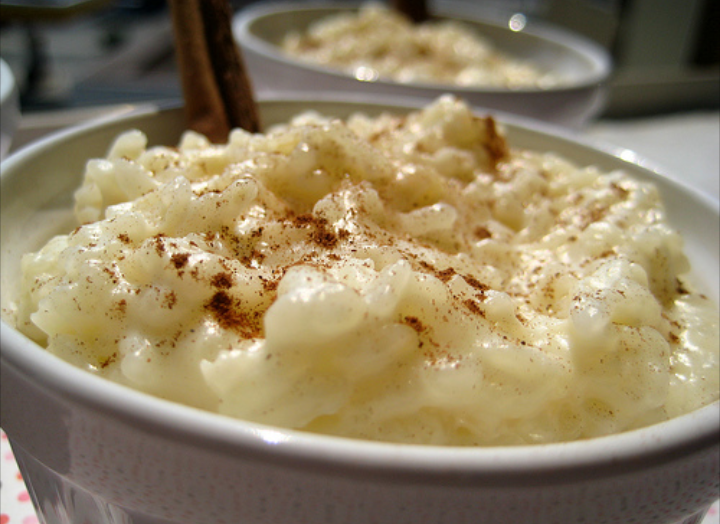 Rice pudding
🇮🇳 India and 4 moreSweetened rice cooked in milk, found in many forms worldwide
Sweet or dessert, Breakfast, Lunch
Rice pudding
🇮🇳 India and 4 moreSweetened rice cooked in milk, found in many forms worldwide
Sweet or dessert, Breakfast, Lunch
 Smörgåsbord
🇸🇪 Sweden and 2 moreA Swedish buffet meal with a spread of cold and hot dishes
Main dish, Lunch, Dinner
Smörgåsbord
🇸🇪 Sweden and 2 moreA Swedish buffet meal with a spread of cold and hot dishes
Main dish, Lunch, Dinner
 GravlaxFish or seafood
🇸🇪 Sweden and 3 moreSalmon cured with salt, sugar and dill, sliced thin and served with mustard-dill sauce
Main dish, Lunch, Dinner
GravlaxFish or seafood
🇸🇪 Sweden and 3 moreSalmon cured with salt, sugar and dill, sliced thin and served with mustard-dill sauce
Main dish, Lunch, Dinner
Its cousins elsewhere
All main dishes Dumpling
🇨🇳 China and 5 morePieces of dough, plain or filled, cooked by boiling, steaming or frying
Main dish, Breakfast, Lunch
Dumpling
🇨🇳 China and 5 morePieces of dough, plain or filled, cooked by boiling, steaming or frying
Main dish, Breakfast, Lunch
 Gözleme
🇹🇷 TurkeyTurkish flatbread turnover filled with meat, cheese, or vegetables
Main dish, Breakfast, Lunch
Gözleme
🇹🇷 TurkeyTurkish flatbread turnover filled with meat, cheese, or vegetables
Main dish, Breakfast, Lunch
 Taco
🇲🇽 Mexico and 1 moreA folded tortilla filled with meat, beans or vegetables, eaten by hand
Street food, Lunch, Dinner
Taco
🇲🇽 Mexico and 1 moreA folded tortilla filled with meat, beans or vegetables, eaten by hand
Street food, Lunch, Dinner
 Sashimi刺身
🇯🇵 JapanThin slices of raw fish or meat, served with soy sauce and condiments
Main dish, Lunch, Dinner
Sashimi刺身
🇯🇵 JapanThin slices of raw fish or meat, served with soy sauce and condiments
Main dish, Lunch, Dinner