
Spaghetti
Long, thin pasta strands made from durum wheat and water
Spaghetti is a staple of Italian cooking, made from durum wheat semolina and water, shaped into long, thin strands. It is usually cooked in boiling water and served with tomato-based sauces, meat, or vegetables. Spaghetti is enjoyed in Italy and around the world, often as a main dish for lunch or dinner.
- Made from durum wheat semolina and water
- Standard length is about 25–30 cm
- First recorded in Sicily in the 12th century
- Commonly served with tomato sauce and cheese
- Filipino spaghetti is sweetened with banana ketchup
What is Spaghetti?
Spaghetti is a pasta formed into long, thin, solid strands, usually about 25–30 cm in length. It is made from durum wheat semolina and water, sometimes enriched with vitamins and minerals. The pasta is typically white, though whole wheat versions exist. Spaghetti is cooked in boiling water until firm or soft, then paired with sauces like tomato, meat, or vegetables. Grated hard cheese is often added on top. Its texture is smooth and slightly chewy when cooked al dente.
Where does Spaghetti come from?
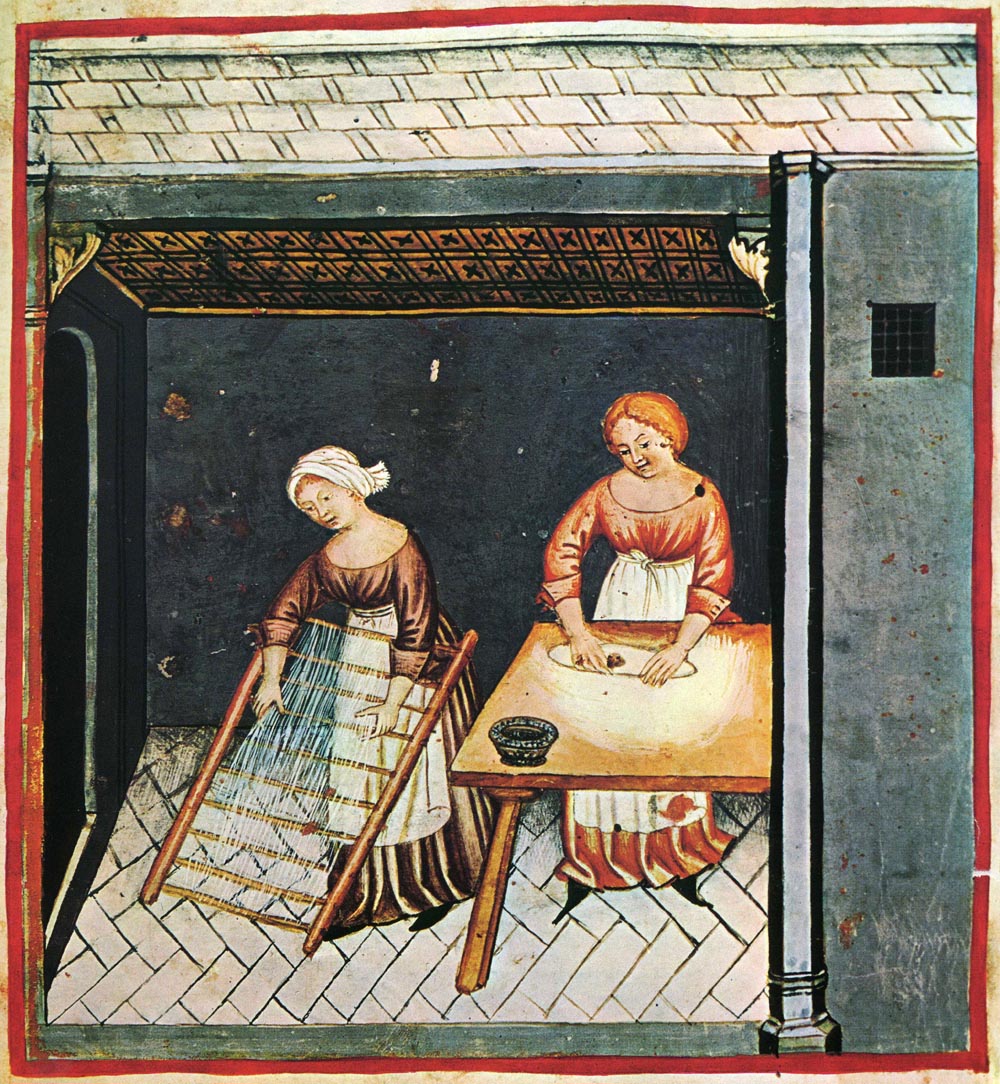
Spaghetti traces its roots to ancient Middle Eastern breads, which were flattened and cut into strips called rishta. This practice spread to Sicily through Arab influence in the 9th century, where dried pasta became known as itriyya. By the 12th century, Sicilian farms were producing long, dried pasta for local use and export. Over time, the pasta tradition spread to Naples and the rest of Italy. The story that Marco Polo brought spaghetti from China is a later legend, not supported by historical evidence.
How is Spaghetti made?
Spaghetti is produced by mixing ground durum wheat semolina with water to form a dough. The dough is kneaded until smooth, then pushed through metal dies to create long, cylindrical strands. These strands are dried carefully to prevent sticking and breakage. In factories, auger extruders and water-cooled dies are used for large-scale production. The dried pasta is then packaged for sale. Fresh or dried spaghetti is cooked in salted, boiling water until the desired texture is reached.



How and when is Spaghetti eaten?
Spaghetti is usually served hot as a main course for lunch or dinner. In Italy, it is commonly cooked al dente, meaning it remains firm to the bite. It is often topped with tomato sauce, herbs, olive oil, meat, or vegetables, and finished with grated cheeses like pecorino or Parmesan. In some regions, broken spaghetti is added to soups or vegetable dishes. In the Philippines, a sweet version with banana ketchup, ground meat, and hot dogs is popular.
Kinds of Spaghetti
There are several forms of spaghetti, including spaghettoni (thicker) and spaghettini (thinner). Capellini is even finer, while vermicelli is slightly thicker than capellini. Regional differences exist: Neapolitan spaghetti is thinner than the American version. In southern Italy, broken spaghetti is used in broths or with legumes. Filipino spaghetti is distinct for its sweet sauce and use of hot dogs and cheese.
What Spaghetti means
Spaghetti is a symbol of Italian cuisine and has become popular worldwide. It has appeared in films like 'Lady and the Tramp' and inspired cultural references such as the BBC's spaghetti harvest hoax. In Italy, it was once a food for the elite but became a staple for all classes by the 17th century. The introduction of the fork in Italy is linked to the custom of eating long pasta like spaghetti.
Questions people ask about Spaghetti
What is spaghetti made of?
Spaghetti is made from durum wheat semolina and water. Sometimes, whole wheat or multigrain flours are used, and the dough may be enriched with vitamins and minerals.
Where did spaghetti originate?
Spaghetti originated in Sicily, Italy, with roots tracing back to ancient Middle Eastern pasta traditions that spread to Sicily through Arab influence.
How is spaghetti usually served?
Spaghetti is typically served hot, cooked in boiling water, and topped with tomato sauce, meat, vegetables, and grated hard cheese such as Parmesan or pecorino.
What are some variations of spaghetti?
Variations include spaghettoni (thicker), spaghettini (thinner), capellini (very thin), and Filipino spaghetti, which is sweetened and includes ground meat, hot dogs, and cheese.
Is spaghetti vegetarian or vegan?
Traditional spaghetti made from only durum wheat semolina and water is vegan. However, some sauces or toppings may contain animal products.
Good reading and sources
- Encyclopaedia BritannicaArticle
- Filipino Cuisine Was Asian Fusion Before "Asian Fusion" ExistedSmithsonian Magazine, Article
- BBC ON THIS DAY | 1BBC, Article
- Library of Congress CatalogLibrary of Congress, Article
The facts on this page come from the Wikipedia article "Spaghetti", written by its contributors and used under the CC BY-SA 4.0 licence, and from its Wikidata record (CC0). Thali rewrote the text in its own words, with AI assistance, and compares every page with the article to make sure no passage is copied. It may be reused under the same CC BY-SA 4.0 licence with a link back.
It may contain mistakes, and it is not dietary or allergy advice: recipes differ from cook to cook. If something is wrong, tell us. Last refreshed 2026-10-03.
More from Italy
All the food of Italy Pizza
🇮🇹 Italy and 4 moreFlatbread topped with tomato, cheese and baked at high heat
Main dish, Lunch, Dinner
Pizza
🇮🇹 Italy and 4 moreFlatbread topped with tomato, cheese and baked at high heat
Main dish, Lunch, Dinner
 Pasta
🇮🇹 Italy and 1 moreUnleavened dough shaped and cooked, a staple of Italian cuisine
Main dish, Lunch, Dinner
Pasta
🇮🇹 Italy and 1 moreUnleavened dough shaped and cooked, a staple of Italian cuisine
Main dish, Lunch, Dinner
 Lasagnalasagne
🇮🇹 ItalyBaked layers of pasta sheets, sauce, cheese and fillings from Italy
Main dish, Lunch, Dinner
Lasagnalasagne
🇮🇹 ItalyBaked layers of pasta sheets, sauce, cheese and fillings from Italy
Main dish, Lunch, Dinner
 Risotto
🇮🇹 ItalyCreamy Italian rice dish slowly cooked with broth and finished with cheese
Main dish, Lunch, Dinner
Risotto
🇮🇹 ItalyCreamy Italian rice dish slowly cooked with broth and finished with cheese
Main dish, Lunch, Dinner
Its cousins elsewhere
All noodles and pasta Udonうどん / 饂飩
🇯🇵 Japan and 4 moreThick wheat noodles served hot or cold in Japanese cooking
Noodle or pasta dish, Lunch, Dinner
Udonうどん / 饂飩
🇯🇵 Japan and 4 moreThick wheat noodles served hot or cold in Japanese cooking
Noodle or pasta dish, Lunch, Dinner
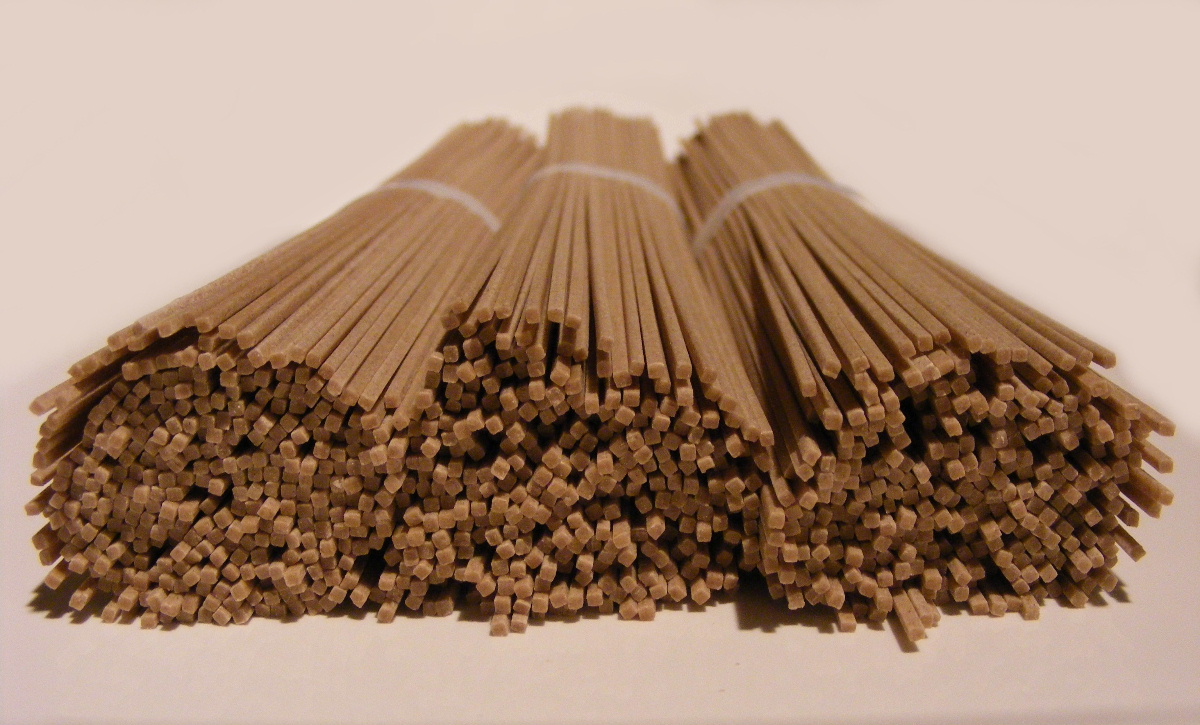 SobaVegan蕎麦
🇯🇵 Japan and 1 moreJapanese noodles made from buckwheat, served hot in broth or cold with dipping sauce
Noodle or pasta dish, Lunch, Dinner
SobaVegan蕎麦
🇯🇵 Japan and 1 moreJapanese noodles made from buckwheat, served hot in broth or cold with dipping sauce
Noodle or pasta dish, Lunch, Dinner
 Biangbiang noodlesVegan𰻞𰻞麵
🇨🇳 ChinaWide, hand-pulled noodles from Shaanxi, known for their belt-like shape
Noodle or pasta dish
Biangbiang noodlesVegan𰻞𰻞麵
🇨🇳 ChinaWide, hand-pulled noodles from Shaanxi, known for their belt-like shape
Noodle or pasta dish
 RamenMeatラーメン
🇯🇵 Japan and 1 moreJapanese noodle soup with Chinese-style wheat noodles in hot broth
Soup, Lunch, Dinner
RamenMeatラーメン
🇯🇵 Japan and 1 moreJapanese noodle soup with Chinese-style wheat noodles in hot broth
Soup, Lunch, Dinner