
Speculoos biscuit
Caramelized Belgian biscuit, often served with coffee
Speculoos is a crisp, caramel-flavored biscuit from Belgium, made mainly with wheat flour, sugar, and cinnamon. Unlike the spiced Dutch speculaas, Belgian speculoos uses caramelized sugar for its distinct taste. It is eaten year-round, often with coffee, and has inspired spreads and toppings.
- Speculoos is a caramelized biscuit from Belgium, distinct from Dutch spiced speculaas.
- It is often served with coffee and is popular year-round.
- The biscuit is made mainly from wheat flour, sugar, and sometimes cinnamon.
- Speculoos spread, made from crushed biscuits, is now sold worldwide.
- It is listed as Intangible Cultural Heritage in Brussels.
What is Speculoos biscuit?
Speculoos is a thin, crisp biscuit with a deep caramel flavor, made from wheat flour, sugar, and sometimes cinnamon. The Belgian version, known as speculoos, is less spiced than the Dutch speculaas and gets its taste from caramelized sugar. It is typically brown, rectangular or oval, and may be plain or shaped with molds, though Belgian speculoos usually lacks the traditional patterns. The biscuit is crunchy and sweet, with a toasty aroma.
Where does Speculoos biscuit come from?
Speculoos originated in the Low Countries, now Belgium and the Netherlands. The earliest mention dates to 1749 in Haarlem, Netherlands. It developed from older festive cakes eaten during Sinterklaas, which changed over time as spices became more available through Dutch trade. The Belgian caramelized variant appeared in the early 20th century, when spices were expensive in Belgium, leading bakers to use caramelized sugar instead. Industrial production in Flanders helped spread speculoos worldwide.
How is Speculoos biscuit made?
To make speculoos, wheat flour, sugar, and sometimes cinnamon are mixed into a dough, with Belgian versions relying on caramelized sugar syrup for flavor. The dough is rolled out and shaped, sometimes using wooden molds for decorative patterns, though Belgian speculoos is often left plain. The biscuits are baked until crisp. Some versions are thicker or filled with almond paste. Crushed biscuits are also used to make spreads and toppings.


How and when is Speculoos biscuit eaten?
Speculoos is enjoyed as a snack, often served with coffee in cafés and restaurants. In Belgium, individually wrapped biscuits are common, while in the Netherlands, it is eaten year-round, especially with coffee or tea. It can be spread on bread, used as a topping, or incorporated into desserts. Traditionally, larger biscuits were shared at family gatherings or festive occasions, but today, smaller biscuits are more typical.
Kinds of Speculoos biscuit
There are several types of speculoos and related products. The Dutch speculaas is spiced with cinnamon, nutmeg, clove, and other spices, and often molded into festive shapes. Belgian speculoos is plainer and caramelized. Variants include stuffed speculaas with almond paste, thick speculaas chunks, and spreads made from crushed biscuits. In Germany, similar biscuits are called Spekulatius, with almond and butter versions. Small speculoos crumbs are sold as bread toppings.
What Speculoos biscuit means
Speculoos holds a special place in Belgian and Dutch culture, tied to both everyday life and festivals like Sinterklaas. The biscuit is recognized as part of Brussels' Intangible Cultural Heritage. The commercial name Biscoff has made it popular worldwide, but the traditional name remains important in Belgium. Speculoos is also used in spreads and desserts, reflecting its versatility and cultural significance.
Questions people ask about Speculoos biscuit
What is speculoos biscuit made of?
Speculoos is made mainly from wheat flour, sugar, and sometimes cinnamon. The Belgian version uses caramelized sugar for its flavor, while the Dutch speculaas includes a mix of spices.
Where does speculoos come from?
Speculoos originated in the Low Countries, now Belgium and the Netherlands. The Belgian caramelized version became popular in the 20th century and is now known worldwide.
How is speculoos different from speculaas?
Speculoos, the Belgian variant, is flavored mainly with caramelized sugar and is less spiced. Speculaas, popular in the Netherlands, uses a blend of spices like cinnamon, nutmeg, and clove.
When is speculoos usually eaten?
Speculoos is eaten year-round, often as a snack with coffee. It is also associated with festive occasions like Sinterklaas in the Netherlands.
What are some popular speculoos products?
Besides the biscuit itself, speculoos is used in spreads, as a topping for bread, and in desserts. The spread is made from crushed speculoos biscuits and vegetable oils.
Good reading and sources
The facts on this page come from the Wikipedia article "Speculoos", written by its contributors and used under the CC BY-SA 4.0 licence, and from its Wikidata record (CC0). Thali rewrote the text in its own words, with AI assistance, and compares every page with the article to make sure no passage is copied. It may be reused under the same CC BY-SA 4.0 licence with a link back.
It may contain mistakes, and it is not dietary or allergy advice: recipes differ from cook to cook. If something is wrong, tell us. Last refreshed 2026-10-03.
More from Belgium
All the food of Belgium Chocolate
🇨🇮 Ivory Coast and 5 moreA sweet or bitter food made from processed cocoa beans, enjoyed in many forms worldwide
Sweet or dessert, Snacks
Chocolate
🇨🇮 Ivory Coast and 5 moreA sweet or bitter food made from processed cocoa beans, enjoyed in many forms worldwide
Sweet or dessert, Snacks
 Yule logVegetarianBûche de Noël
🇫🇷 France and 5 moreA rolled sponge cake decorated to look like a wooden log for Christmas
Sweet or dessert
Yule logVegetarianBûche de Noël
🇫🇷 France and 5 moreA rolled sponge cake decorated to look like a wooden log for Christmas
Sweet or dessert
 Pain au chocolatVegetarian
🇫🇷 France and 2 moreA flaky pastry filled with bars of dark chocolate
Pie or savoury pastry, Breakfast, Snacks
Pain au chocolatVegetarian
🇫🇷 France and 2 moreA flaky pastry filled with bars of dark chocolate
Pie or savoury pastry, Breakfast, Snacks
 OliebolVegetarian
🇳🇱 Netherlands and 2 moreDutch deep-fried dough balls, often with raisins and dusted with powdered sugar
Sweet or dessert, Snacks
OliebolVegetarian
🇳🇱 Netherlands and 2 moreDutch deep-fried dough balls, often with raisins and dusted with powdered sugar
Sweet or dessert, Snacks
Its cousins elsewhere
All sweets and desserts Qatayefقطايف
🇪🇬 Egypt and 5 moreSweet stuffed pancakes, folded and filled with nuts or cream, served for Ramadan
Sweet or dessert, Snacks, Tea time
Qatayefقطايف
🇪🇬 Egypt and 5 moreSweet stuffed pancakes, folded and filled with nuts or cream, served for Ramadan
Sweet or dessert, Snacks, Tea time
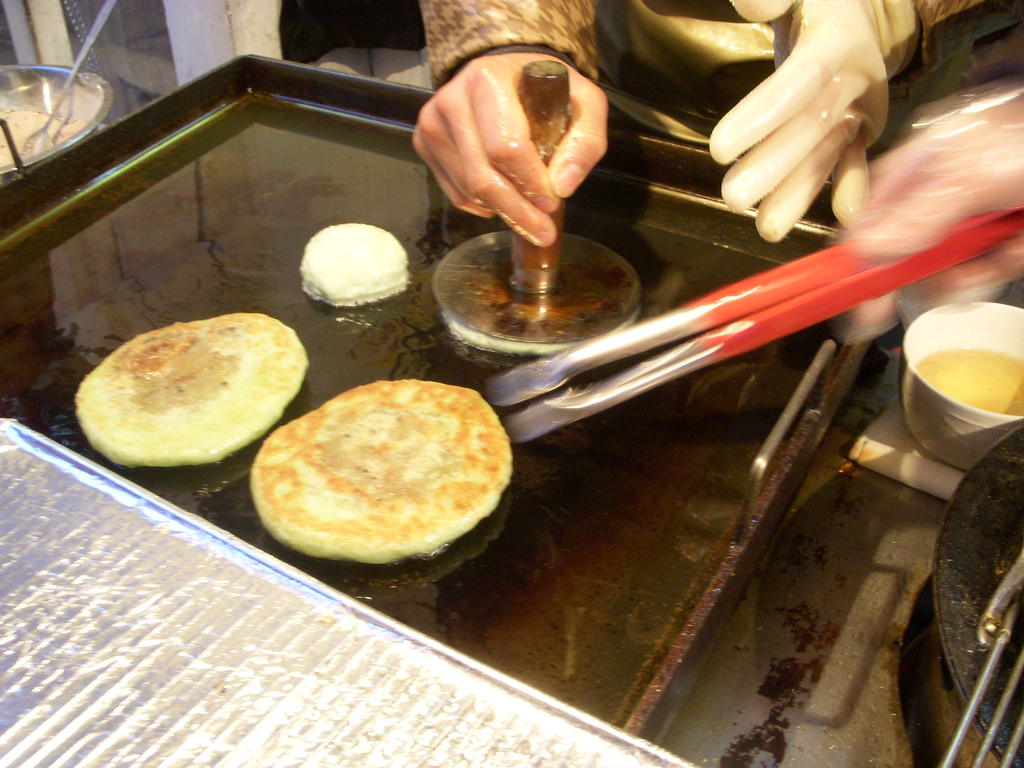 HotteokVegetarian호떡
🇰🇷 South Korea and 2 moreKorean street pancake with a sweet, nutty filling
Street food, Snacks
HotteokVegetarian호떡
🇰🇷 South Korea and 2 moreKorean street pancake with a sweet, nutty filling
Street food, Snacks
 BaklavaVegetarianباقلوا
🇹🇷 Turkey and 5 moreThin pastry filled with nuts and soaked in sweet syrup
Sweet or dessert, Tea time, Snacks
BaklavaVegetarianباقلوا
🇹🇷 Turkey and 5 moreThin pastry filled with nuts and soaked in sweet syrup
Sweet or dessert, Tea time, Snacks
 Doughnut
🇺🇸 United States and 5 moreSweet fried or baked rings or balls, often glazed or filled
Sweet or dessert, Breakfast, Snacks
Doughnut
🇺🇸 United States and 5 moreSweet fried or baked rings or balls, often glazed or filled
Sweet or dessert, Breakfast, Snacks