
Whipped cream
Light, sweetened cream whipped to a fluffy foam for desserts and drinks
Whipped cream is made by whisking high-fat dairy cream until it becomes airy and holds soft peaks. Often sweetened with sugar and flavored with vanilla, it is used as a topping for desserts and hot drinks, or as an ingredient in many sweet and some savory dishes. It is especially associated with French and European cooking.
- Made by whipping high-fat cream until light and fluffy
- Often sweetened with sugar and flavored with vanilla
- Used as a topping for desserts and hot drinks
- Known as Chantilly cream in French cuisine
- Can be made fresh or dispensed from aerosol cans
What is Whipped cream?
Whipped cream is made by beating rich dairy cream until it turns light and fluffy, roughly doubling in volume. The process traps air in the cream, creating a soft foam that holds its shape. Sugar is often added for sweetness, and vanilla or other flavors may be mixed in. The result is a smooth, white topping or filling that is mildly sweet and creamy, with a delicate texture. It is used on desserts like pies, cakes, and fruit, or spooned onto hot drinks such as coffee and hot chocolate.
Where does Whipped cream come from?
The earliest clear records of whipped cream date to the 16th century in Europe, where it was known as 'milk snow' or 'cream snow' in Italy and France. Recipes from the Netherlands, England, and France describe beating cream with sugar and sometimes rosewater, using simple tools like willow switches. The French name 'crème Chantilly' appeared in the 18th and 19th centuries, likely named after the Château de Chantilly, a symbol of refined dining. Earlier, similar foams were made with egg whites and cream. The invention of pressurized whipping devices in the 1930s made instant whipped cream widely available.
How is Whipped cream made?
To make whipped cream, cold high-fat cream is beaten with a whisk, mixer, or food processor until it thickens and forms soft peaks. Chilling both the cream and the tools helps it whip better. Sugar and vanilla are often added during whipping. If beaten too long, the cream will separate and turn into butter. Commercial stabilizers like gelatin or gum tragacanth may be used to help it keep its shape. Aerosol cans use nitrous oxide to aerate the cream instantly.
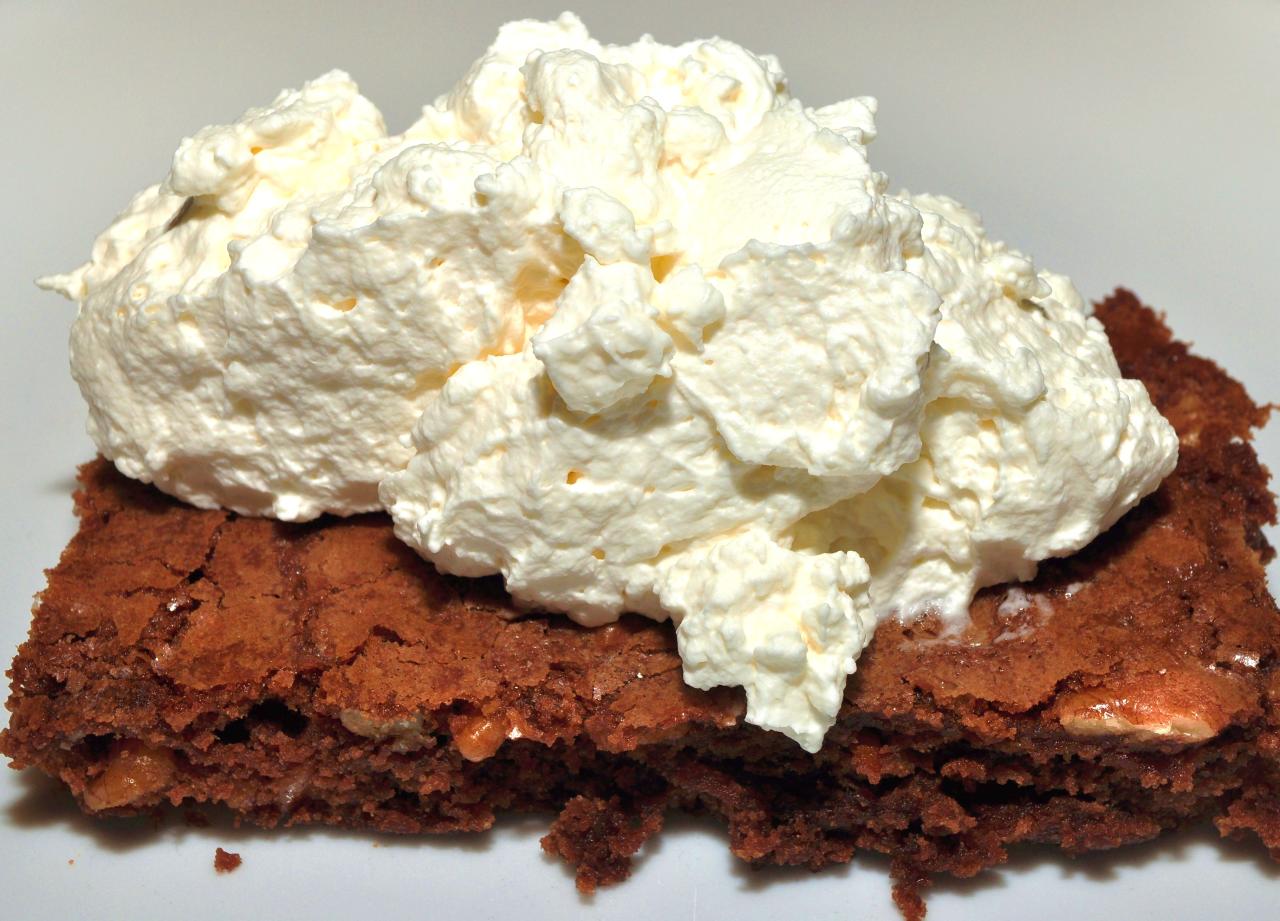


How and when is Whipped cream eaten?
Whipped cream is most often served as a topping for desserts such as pies, cakes, ice cream, and fruit, or added to drinks like coffee and hot chocolate. It is also used as a filling for pastries and cakes, and as a base for mousses and other creamy desserts. In some European traditions, coffee with whipped cream is a classic pairing. Unsweetened whipped cream is sometimes added to savory dishes or sauces to lighten them. It is usually eaten cold and soon after preparation, as it loses its texture over time.
Kinds of Whipped cream
Whipped cream can be flavored with ingredients like chocolate, coffee, orange, or liqueurs. Alcohol-infused versions are sold in some countries. Non-dairy imitations, called whipped toppings, use vegetable oils and stabilizers instead of cream, and may be found frozen, in tubs, or in aerosol cans. Some recipes add egg whites or stabilizers for a firmer foam. The sweetened version is often called Chantilly cream, though the names are sometimes used interchangeably.
What Whipped cream means
Whipped cream is a familiar element in European and American desserts and drinks, and is associated with festive and everyday treats alike. The name Chantilly cream is linked to French culinary prestige. In some places, whipped cream from a can has its own nicknames, like 'skooshy cream' in Scotland. Its use in both sweet and savory dishes shows its versatility. Alcohol-infused whipped cream has been regulated in some countries due to concerns about its appeal to young drinkers.
Questions people ask about Whipped cream
What is whipped cream made of?
Whipped cream is made from high-fat dairy cream, usually sweetened with sugar and sometimes flavored with vanilla or other ingredients.
Where does whipped cream come from?
Whipped cream has European origins, with early recipes found in Italy, France, the Netherlands, and England from the 16th century.
How is whipped cream used?
It is most often used as a topping for desserts like pies and cakes, or added to drinks such as coffee and hot chocolate. It can also be a filling or an ingredient in mousses and sauces.
Is whipped cream always sweetened?
Whipped cream is often sweetened with sugar, but it can also be left unsweetened, especially when used in savory dishes.
Are there non-dairy versions of whipped cream?
Yes, non-dairy whipped toppings are made with vegetable oils and stabilizers, and are available in tubs, cartons, or aerosol cans.
Good reading and sources
- Whipped cream on WikipediaEncyclopedia
- More photos on Wikimedia CommonsPhotos
- Wikidata recordOpen data
The facts on this page come from the Wikipedia article "Whipped cream", written by its contributors and used under the CC BY-SA 4.0 licence, and from its Wikidata record (CC0). Thali rewrote the text in its own words, with AI assistance, and compares every page with the article to make sure no passage is copied. It may be reused under the same CC BY-SA 4.0 licence with a link back.
It may contain mistakes, and it is not dietary or allergy advice: recipes differ from cook to cook. If something is wrong, tell us. Last refreshed 2026-10-03.
More from France
All the food of France Ice cream
🇺🇸 United States and 5 moreA frozen dessert made from sweetened, flavoured milk or cream
Sweet or dessert, Snacks
Ice cream
🇺🇸 United States and 5 moreA frozen dessert made from sweetened, flavoured milk or cream
Sweet or dessert, Snacks
 Candy
🇺🇸 United States and 5 moreSmall sweet treats made mainly from sugar or sweeteners
Sweet or dessert, Snacks
Candy
🇺🇸 United States and 5 moreSmall sweet treats made mainly from sugar or sweeteners
Sweet or dessert, Snacks
 CroissantVegetarian
🇫🇷 France and 5 moreA crescent-shaped, flaky pastry made from layered yeast dough and butter
Pie or savoury pastry, Breakfast, Tea time
CroissantVegetarian
🇫🇷 France and 5 moreA crescent-shaped, flaky pastry made from layered yeast dough and butter
Pie or savoury pastry, Breakfast, Tea time
 SauerkrautVegan
🇩🇪 Germany and 5 moreFinely shredded cabbage preserved by natural fermentation in salt
Sauce, pickle or ferment, Lunch, Dinner
SauerkrautVegan
🇩🇪 Germany and 5 moreFinely shredded cabbage preserved by natural fermentation in salt
Sauce, pickle or ferment, Lunch, Dinner
Its cousins elsewhere
All sweets and desserts Eggnog
🇺🇸 United States and 5 moreA creamy, sweet drink of milk, eggs, sugar and spirits, served at Christmas
Drink, Snacks
Eggnog
🇺🇸 United States and 5 moreA creamy, sweet drink of milk, eggs, sugar and spirits, served at Christmas
Drink, Snacks
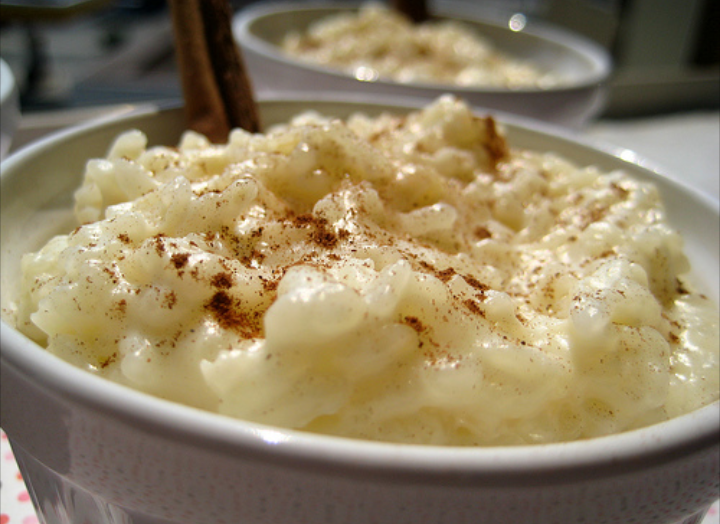 Rice pudding
🇮🇳 India and 4 moreSweetened rice cooked in milk, found in many forms worldwide
Sweet or dessert, Breakfast, Lunch
Rice pudding
🇮🇳 India and 4 moreSweetened rice cooked in milk, found in many forms worldwide
Sweet or dessert, Breakfast, Lunch
 DondurmaVegetarian
🇹🇷 Turkey and 2 moreTurkish ice cream thickened with salep and mastic for a chewy, stretchy texture
Sweet or dessert, Snacks
Pecan pieVegetarian
🇺🇸 United StatesSweet pie of pecans and syrup in a pastry crust, from the Southern United States
Sweet or dessert
DondurmaVegetarian
🇹🇷 Turkey and 2 moreTurkish ice cream thickened with salep and mastic for a chewy, stretchy texture
Sweet or dessert, Snacks
Pecan pieVegetarian
🇺🇸 United StatesSweet pie of pecans and syrup in a pastry crust, from the Southern United States
Sweet or dessert