
Sundubu-jjigae
In its own language: 순두부찌개
A spicy Korean stew with extra soft tofu, cooked and served bubbling hot
Sundubu-jjigae is a Korean stew built around extra soft tofu called sundubu, vegetables, and often seafood or meat, simmered with spicy seasonings. It is cooked and served in a stone or porcelain pot, usually with rice and small side dishes, and sometimes finished with a raw egg dropped in just before serving.
- Made with extra soft tofu called sundubu
- Cooked and served bubbling hot in a stone or porcelain pot
- Often finished with a raw egg just before serving
- Popular in Korea and Korean communities in the US and Canada
What is Sundubu-jjigae?
Sundubu-jjigae is a Korean stew made with sundubu, a type of extra soft tofu that is more delicate than regular tofu and usually sold in tubes. The stew combines this tofu with vegetables, onions, and sometimes mushrooms, then adds seafood like oysters, mussels, clams, or shrimp, or meat such as beef or pork. Seasonings include Korean chili paste (gochujang) or chili flakes (gochugaru), and often garlic and soy sauce. It is cooked and served in a thick stone or porcelain bowl, arriving at the table bubbling hot. A raw egg may be added just before serving.
Where does Sundubu-jjigae come from?
The use of unpressed tofu in Korean cooking dates back to the Joseon dynasty, with records mentioning early forms of sundubu-jjigae. The soft tofu itself is said to have originated in Chodang, where a civil official named Chodang Heoyeop made tofu using spring water and sea water. Over time, the stew became popular in various regions of South Korea, especially Wanju and Hamyang counties.
How is Sundubu-jjigae made?
To make sundubu-jjigae, a pot is heated and ingredients like vegetable oil, onion, garlic, and pork are sautéed. Kimchi can be added, followed by broth or water. Spicy seasonings such as gochugaru and sesame oil are mixed in. Once the base is simmering, extra soft tofu is gently added, and the stew is cooked until bubbling. Just before serving, a raw egg is often cracked into the center, and green onions are sprinkled on top.

How and when is Sundubu-jjigae eaten?
Sundubu-jjigae is usually eaten for lunch or dinner. It is served piping hot in its cooking vessel, often still bubbling. Diners typically eat it with a bowl of plain white rice and several banchan, which are small Korean side dishes. The stew can be enjoyed alone or shared at the table. The addition of a raw egg, which cooks in the heat of the stew, is a common custom.
Kinds of Sundubu-jjigae
There are many regional and personal variations of sundubu-jjigae. Some versions use seafood, while others feature beef or pork. In Hamyang County, the stew is made with galbi (beef short ribs) and clams. The broth can be made from anchovy, beef, or chicken, and vegetables like radish, zucchini, and mushrooms may be added. Vegan versions are also possible by omitting meat and seafood.
What Sundubu-jjigae means
Sundubu-jjigae is a common everyday dish in Korea and has become popular in Korean communities abroad, especially in the United States and Canada. Restaurants specializing in this stew can be found in Koreatowns in cities like Los Angeles, Toronto, and Vancouver. The dish has appeared in North American media, such as the TV show Kim's Convenience, and is known for its comforting, hearty qualities.
Questions people ask about Sundubu-jjigae
What is sundubu-jjigae made of?
Sundubu-jjigae is made with extra soft tofu (sundubu), vegetables, onions, optional seafood like oysters or shrimp, optional meat such as beef or pork, and spicy seasonings like gochujang or gochugaru. A raw egg is sometimes added just before serving.
Where does sundubu-jjigae come from?
Sundubu-jjigae comes from Korea, with roots in the Joseon dynasty. The soft tofu used in the stew is said to have originated in Chodang village. The dish is now popular in South Korea and Korean communities abroad.
How is sundubu-jjigae served?
It is cooked and served in a thick stone or porcelain bowl, arriving at the table bubbling hot. It is typically eaten with a bowl of white rice and several small side dishes called banchan.
Is sundubu-jjigae always spicy?
Sundubu-jjigae is usually spicy because it uses Korean chili paste or chili flakes. However, the level of heat can be adjusted, and some versions may be milder.
Can sundubu-jjigae be made vegetarian or vegan?
Yes, sundubu-jjigae can be made without meat or seafood. Using vegetable broth and omitting animal products makes it suitable for vegetarians or vegans.
Good reading and sources
- Sundubu-jjigae on WikipediaEncyclopedia
- More photos on Wikimedia CommonsPhotos
- Wikidata recordOpen data
The facts on this page come from the Wikipedia article "Sundubu-jjigae", written by its contributors and used under the CC BY-SA 4.0 licence, and from its Wikidata record (CC0). Thali rewrote the text in its own words, with AI assistance, and compares every page with the article to make sure no passage is copied. It may be reused under the same CC BY-SA 4.0 licence with a link back.
It may contain mistakes, and it is not dietary or allergy advice: recipes differ from cook to cook. If something is wrong, tell us. Last refreshed 2026-10-03.
More from South Korea
All the food of South Korea KabochaVeganカボチャ
🇯🇵 Japan and 5 moreA sweet, dense winter squash with edible skin, used in Japanese and Asian cooking
Main dish, Lunch, Dinner
KabochaVeganカボチャ
🇯🇵 Japan and 5 moreA sweet, dense winter squash with edible skin, used in Japanese and Asian cooking
Main dish, Lunch, Dinner
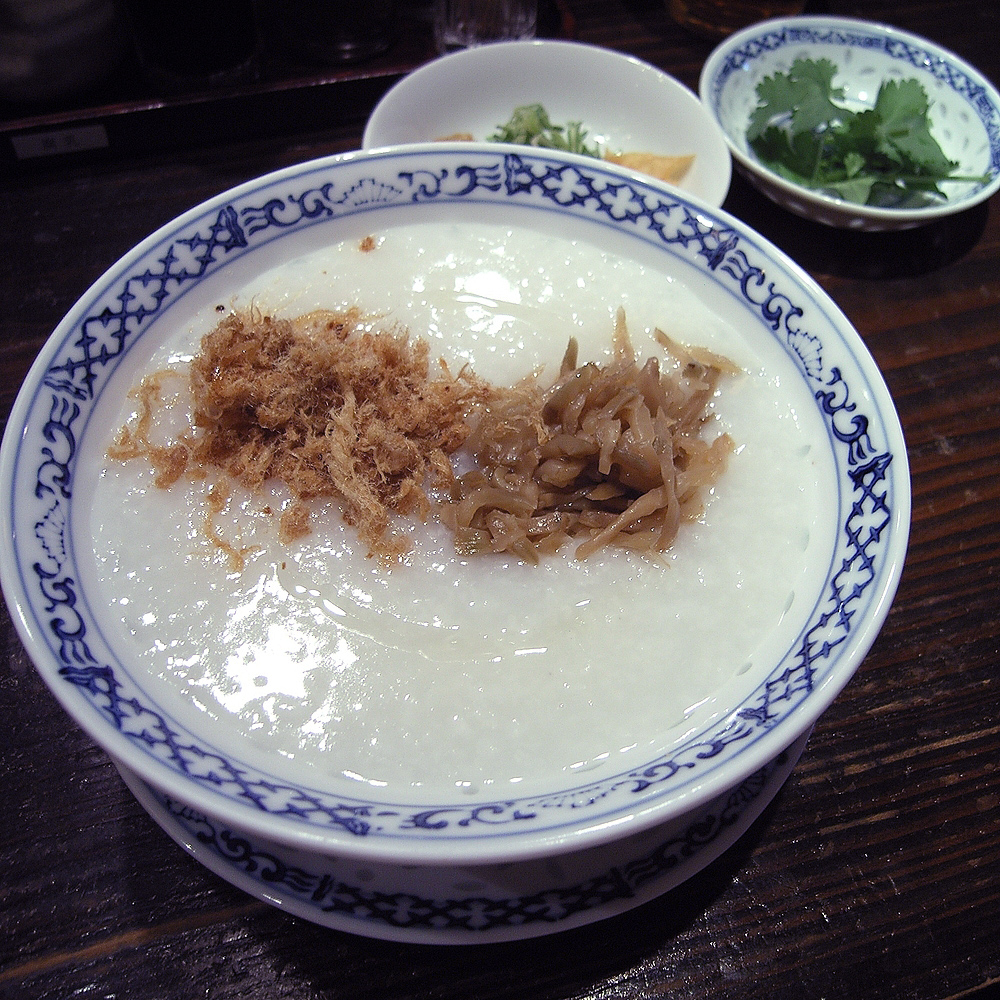 Congee粥
🇨🇳 China and 5 moreRice simmered in water to make a soft, comforting porridge
Main dish, Breakfast, Dinner
Congee粥
🇨🇳 China and 5 moreRice simmered in water to make a soft, comforting porridge
Main dish, Breakfast, Dinner
 Shabu-shabuしゃぶしゃぶ
🇯🇵 Japan and 4 moreJapanese hot pot where diners cook thin meat and vegetables at the table
Main dish, Dinner, Lunch
Shabu-shabuしゃぶしゃぶ
🇯🇵 Japan and 4 moreJapanese hot pot where diners cook thin meat and vegetables at the table
Main dish, Dinner, Lunch
 Japanese curryMeatカレー
🇯🇵 Japan and 2 moreA thick, mildly spiced curry sauce served with rice, noodles or bread
Main dish, Lunch, Dinner
Japanese curryMeatカレー
🇯🇵 Japan and 2 moreA thick, mildly spiced curry sauce served with rice, noodles or bread
Main dish, Lunch, Dinner
Its cousins elsewhere
All soups Chupe
🇵🇪 Peru and 2 moreA hearty South American stew of meat or seafood, potatoes or yuca, and vegetables
Stew or curry, Lunch, Dinner
Chupe
🇵🇪 Peru and 2 moreA hearty South American stew of meat or seafood, potatoes or yuca, and vegetables
Stew or curry, Lunch, Dinner
 Maraqمرق
🇸🇴 Somalia and 3 moreSomali and Arabian meat or vegetable soup served with rice or bread
Soup, Lunch, Dinner
Maraqمرق
🇸🇴 Somalia and 3 moreSomali and Arabian meat or vegetable soup served with rice or bread
Soup, Lunch, Dinner
 Sancocho
🇩🇴 Dominican Republic and 5 moreA hearty stew of meat, tubers and vegetables in a rich broth
Soup, Lunch, Dinner
Sancocho
🇩🇴 Dominican Republic and 5 moreA hearty stew of meat, tubers and vegetables in a rich broth
Soup, Lunch, Dinner
 Peppersoup
🇳🇬 Nigeria and 1 moreA spicy, watery soup made with meat or fish and West African spices
Soup, Dinner, Lunch
Peppersoup
🇳🇬 Nigeria and 1 moreA spicy, watery soup made with meat or fish and West African spices
Soup, Dinner, Lunch