
Surströmming
Fermented Baltic herring with a famously strong smell, eaten cold in Sweden
Surströmming is a Swedish dish of Baltic herring that is salted and fermented for at least six months, giving it a sharp, pungent aroma and an acidic taste. Traditionally eaten in northern Sweden from late August, it is served cold, often outdoors, and paired with flatbread, potatoes, and onions. Its intense smell makes it an acquired taste.
- Fermented for at least six months to develop its strong aroma
- Traditionally eaten outdoors from late August in Sweden
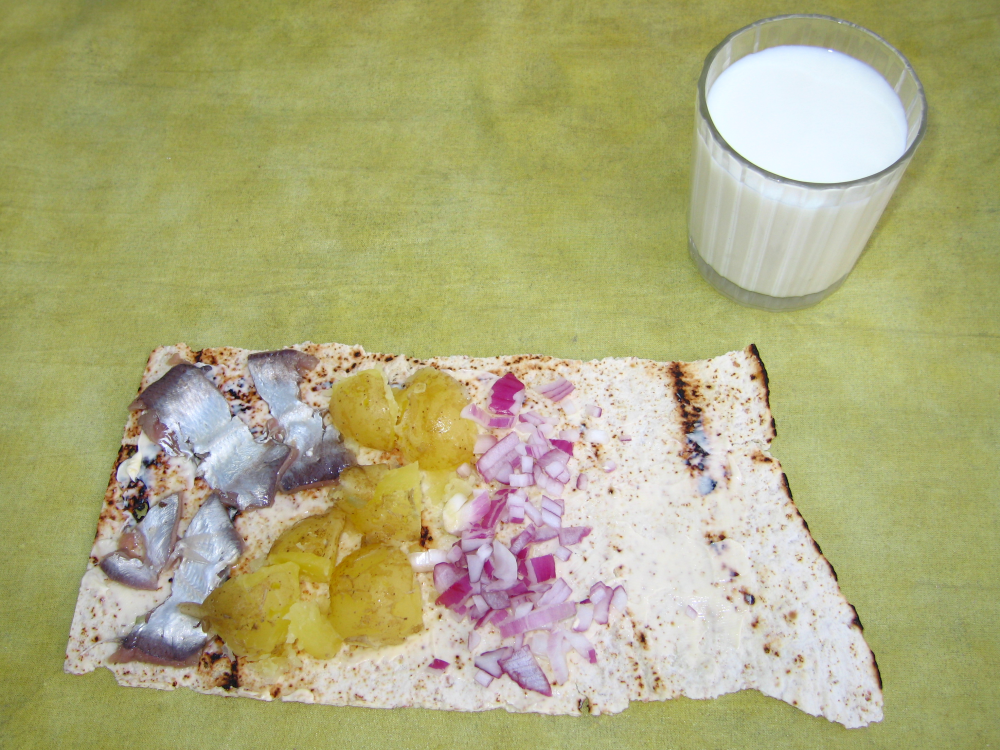
- Served with flatbread, potatoes, and onions
- Canned surströmming continues to ferment and bulge
- About 2 million Swedes eat it each year
What is Surströmming?
Surströmming is made from Baltic herring, a small fish caught in the brackish waters of the Baltic Sea. The fish is preserved by fermenting it in a lightly salted brine for at least half a year. The result is a soft, silvery fish with a powerful, sour and pungent aroma, widely considered one of the strongest-smelling foods in the world. The taste is acidic and salty, with a texture that can be tender or slightly chewy. It is usually sold in bulging cans, as fermentation continues after packaging.
Where does Surströmming come from?
Surströmming has been part of northern Swedish food traditions since at least the 16th century. Fermenting fish in brine was a way to preserve it when salt was expensive. The method likely developed in Sweden’s north, where cool temperatures helped control the process. Canning, introduced in the 19th century, allowed surströmming to be stored and sold more widely. The annual release of new surströmming each August remains a tradition, even after the end of a royal ordinance that once regulated its sale.
How is Surströmming made?
The herring are caught in spring, before spawning. They are first soaked in strong brine to draw out blood, then cleaned and placed in weaker brine to ferment in barrels at cool temperatures for at least six months. The fish is then canned, where fermentation continues, causing the cans to bulge. The process relies on lactic acid enzymes and specific bacteria that create the dish’s characteristic acids and gases. Traditionally, surströmming was stored in wooden barrels, but canning now makes it easier to transport and store.



How and when is Surströmming eaten?
Surströmming is most often eaten outdoors due to its strong smell. The can is opened carefully, sometimes under water to avoid spraying brine. The fish can be filleted or gutted at the table. It is commonly served on flatbread called tunnbröd, with potatoes (often almond potatoes) and finely chopped red onion. In some regions, sour cream, chives, or cheese are added. It is usually enjoyed with light beer, snaps, or milk, and is the centerpiece of a festive gathering called a surströmmingsskiva.
Kinds of Surströmming
Surströmming is most popular in northern Sweden, where it is often eaten as a sandwich with hard or soft tunnbröd. In the south, people may add sour cream, tomatoes, or dill. The fish is sold both as whole, ungutted fish (with only the head removed) and as fillets. Some versions include the roe. The basic method and ingredients remain much the same, but accompaniments and serving styles vary by region.
What Surströmming means
Surströmming is a symbol of northern Swedish heritage and is linked to annual traditions, especially the late summer premiere. Its powerful smell has led to strong reactions, legal disputes, and even airline bans. Despite its divisive reputation, about two million Swedes eat it each year. The dish has its own museum and is celebrated at special gatherings. Recent years have seen concerns about overfishing and the future availability of Baltic herring.
Questions people ask about Surströmming
What is surströmming made of?
Surströmming is made from Baltic herring, which is salted and fermented in brine for at least six months. The main ingredients are herring, salt, and water.
Where does surströmming come from?
Surströmming comes from Sweden, especially the northern region called Norrland. It has been part of Swedish food traditions since at least the 16th century.
Why does surströmming smell so strong?
The strong smell comes from the fermentation process, which produces acids and gases such as hydrogen sulfide, propionic acid, and butyric acid. These give surströmming its pungent, sour aroma.
How is surströmming usually eaten?
It is typically eaten cold, outdoors, served on flatbread with potatoes and onions. The can is opened carefully, often under water, to avoid spraying brine.
When is surströmming eaten?
Surströmming is traditionally eaten after the third Thursday in August, during late summer and early autumn, often as part of a festive meal.
Good reading and sources
The facts on this page come from the Wikipedia article "Surströmming", written by its contributors and used under the CC BY-SA 4.0 licence, and from its Wikidata record (CC0). Thali rewrote the text in its own words, with AI assistance, and compares every page with the article to make sure no passage is copied. It may be reused under the same CC BY-SA 4.0 licence with a link back.
It may contain mistakes, and it is not dietary or allergy advice: recipes differ from cook to cook. If something is wrong, tell us. Last refreshed 2026-10-03.
More from Sweden
All the food of Sweden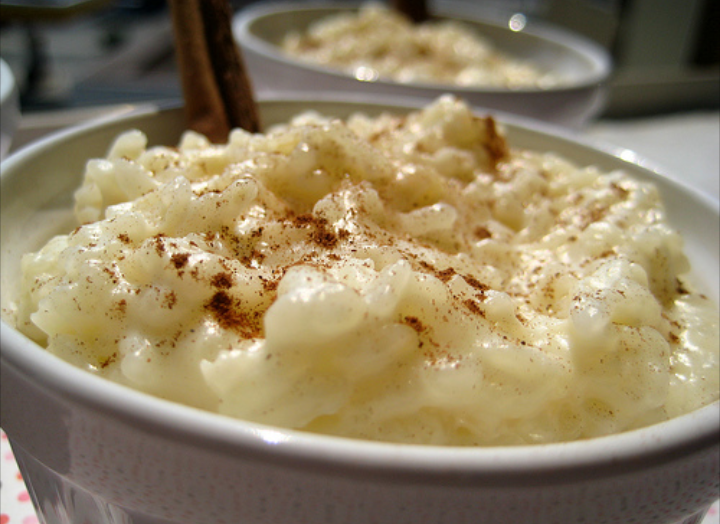 Rice pudding
🇮🇳 India and 4 moreSweetened rice cooked in milk, found in many forms worldwide
Sweet or dessert, Breakfast, Lunch
Rice pudding
🇮🇳 India and 4 moreSweetened rice cooked in milk, found in many forms worldwide
Sweet or dessert, Breakfast, Lunch
 Smörgåsbord
🇸🇪 Sweden and 2 moreA Swedish buffet meal with a spread of cold and hot dishes
Main dish, Lunch, Dinner
Smörgåsbord
🇸🇪 Sweden and 2 moreA Swedish buffet meal with a spread of cold and hot dishes
Main dish, Lunch, Dinner
 Christmas hamMeat
🇸🇪 Sweden and 3 moreCured ham served at Christmas, with local glazes and traditions
Main dish, Dinner
Christmas hamMeat
🇸🇪 Sweden and 3 moreCured ham served at Christmas, with local glazes and traditions
Main dish, Dinner
 MeatballMeat
🇮🇹 Italy and 5 moreGround meat shaped into balls and cooked by frying, baking, or braising in sauce
Main dish, Lunch, Dinner
MeatballMeat
🇮🇹 Italy and 5 moreGround meat shaped into balls and cooked by frying, baking, or braising in sauce
Main dish, Lunch, Dinner
Its cousins elsewhere
All sauces, pickles and ferments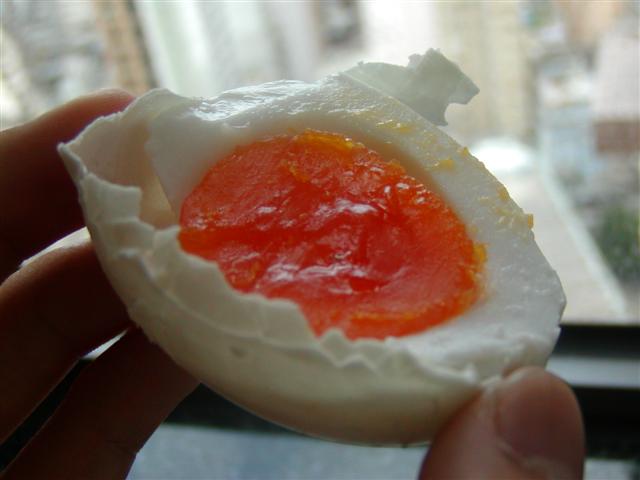 Salted duck egg
🇨🇳 China and 3 moreDuck eggs preserved in salt, prized for their rich, orange-red yolks
Sauce, pickle or ferment, Breakfast, Lunch
Salted duck egg
🇨🇳 China and 3 moreDuck eggs preserved in salt, prized for their rich, orange-red yolks
Sauce, pickle or ferment, Breakfast, Lunch
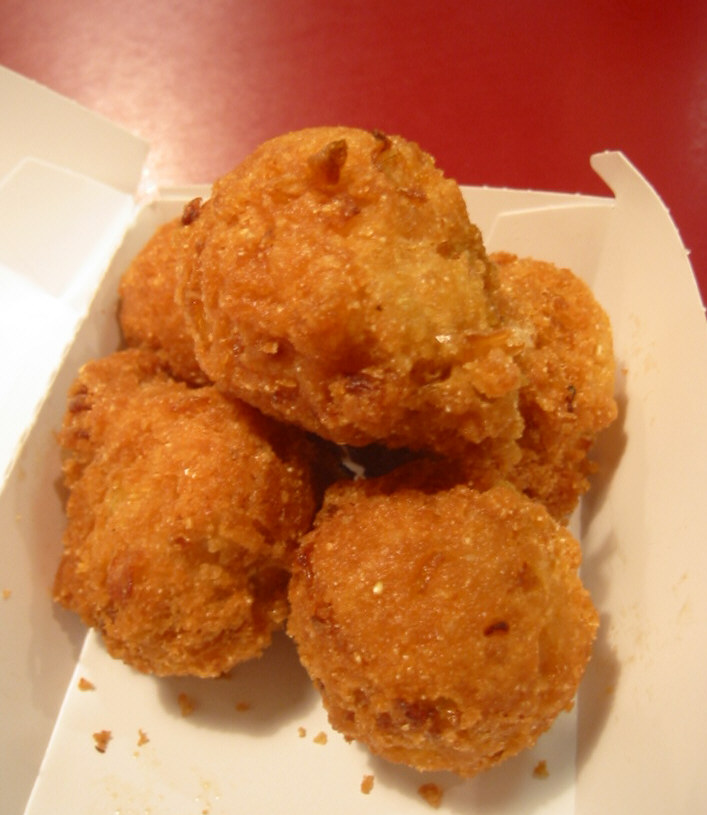 HushpuppyVegetarian
🇺🇸 United StatesDeep-fried cornmeal balls often served with seafood in the Southern United States
Sauce, pickle or ferment, Lunch, Dinner
CaviarFish or seafood
🇮🇷 Iran and 5 moreSalt-cured fish roe, most prized from sturgeon of the Caspian and Black Sea
Sauce, pickle or ferment, Snacks
HushpuppyVegetarian
🇺🇸 United StatesDeep-fried cornmeal balls often served with seafood in the Southern United States
Sauce, pickle or ferment, Lunch, Dinner
CaviarFish or seafood
🇮🇷 Iran and 5 moreSalt-cured fish roe, most prized from sturgeon of the Caspian and Black Sea
Sauce, pickle or ferment, Snacks
 Chutney
🇮🇳 India and 5 moreA spiced relish or sauce made from fruits, vegetables, herbs and spices
Sauce, pickle or ferment
Chutney
🇮🇳 India and 5 moreA spiced relish or sauce made from fruits, vegetables, herbs and spices
Sauce, pickle or ferment