
Taguella
Thick flatbread baked in hot sand and ashes by Tuareg people of the Sahara
Taguella is a thick, disk-shaped flatbread central to Tuareg communities in the Sahara, especially in Algeria. Made from wheat flour, semolina or millet, it is baked by burying the dough in hot sand and embers. The bread is broken into pieces and eaten with meat sauce, vegetables, or butter, often followed by mint tea.
- Baked by burying dough in hot sand and ashes
- Staple food of the Tuareg people in the Sahara
- Eaten with meat sauce, butter, or dried tomatoes
- Often followed by a glass of mint tea
What is Taguella?
Taguella is a thick, unleavened flatbread shaped like a disk, made mainly from wheat flour, semolina, or millet. It is the staple food of the Tuareg people in the Sahara. The bread is cooked by burying the dough in hot sand and ashes from a fire, giving it a rustic, earthy crust. Once baked, it is broken into pieces and eaten with sauces made from meat, vegetables, or sometimes simply with butter or dried tomatoes. The bread is usually served hot and is often followed by mint tea.
Where does Taguella come from?
Taguella is closely tied to the Tuareg people, a nomadic group in the Sahara desert, especially in Algeria. Its method of cooking—using the hot sand and ashes of a fire—reflects the practical needs of desert life, where ovens are not available. The bread's history is rooted in the daily life and traditions of the Tuareg, serving as their main source of sustenance. While its exact origins are not detailed, it remains a symbol of Tuareg culture and resourcefulness.
How is Taguella made?
To make taguella, flour (wheat, semolina, or millet) is mixed with water to form a thick batter or dough. A fire is built on clean sand, and once only embers remain, a hollow is made in the hot sand. The dough is poured or placed into this hollow, then covered with ashes and embers. The bread is baked on one side, then turned and covered again to cook the other side. After baking, the ash is brushed off, and the bread is sometimes washed before serving.

How and when is Taguella eaten?
Taguella is typically eaten as a main meal, often at lunch or dinner. The bread is broken up and shared, usually eaten with the right hand. It is commonly served with a sauce made from meat, tomatoes, and vegetables, or sometimes with butter, onions, or dried tomatoes. Goat, camel, or sheep milk may accompany the meal, and it is traditional to finish with mint tea. Eating taguella is a communal act, reflecting the social customs of Tuareg life.
Kinds of Taguella
The basic dough for taguella can be made from wheat flour, semolina, or millet, depending on what is available. Some versions are flavored with wild fennel or eaten with different sauces, such as chili or vegetable soup. The accompaniments can vary, including butter, onions, or dried tomatoes. While the core method—baking in sand and ashes—remains the same, the ingredients and side dishes may change with region and circumstance.
What Taguella means
Taguella is more than just food for the Tuareg; it is a symbol of their identity and way of life. As the main staple, it is present at daily meals and shared among family and guests. The process of making and eating taguella is communal and reflects the hospitality of Tuareg culture. Its preparation in the open desert connects it to the landscape and traditions of the Sahara.
Questions people ask about Taguella
What is taguella made of?
Taguella is made from wheat flour, semolina, or millet mixed with water to form a dough. Sometimes wild fennel is added for flavor.
Where does taguella come from?
Taguella is a traditional bread of the Tuareg people, who live in the Sahara desert, especially in Algeria and neighboring countries.
How is taguella cooked?
The dough is buried in hot sand and ashes from a fire, then covered with embers. It is baked on both sides, then cleaned and served hot.
How is taguella eaten?
Taguella is broken into pieces and eaten with sauces made from meat, vegetables, or with butter, onions, or dried tomatoes. It is often followed by mint tea.
Is taguella always made the same way?
The basic method stays the same, but the type of flour and the accompaniments can vary depending on region and what is available.
Good reading and sources
The facts on this page come from the Wikipedia article "Taguella", written by its contributors and used under the CC BY-SA 4.0 licence, and from its Wikidata record (CC0). EveryThali rewrote the text in its own words, with AI assistance, and compares every page with the article to make sure no passage is copied. It may be reused under the same CC BY-SA 4.0 licence with a link back.
It may contain mistakes, and it is not dietary or allergy advice: recipes differ from cook to cook. If something is wrong, tell us. Last refreshed 2026-10-05.
More from Algeria
All the food of Algeria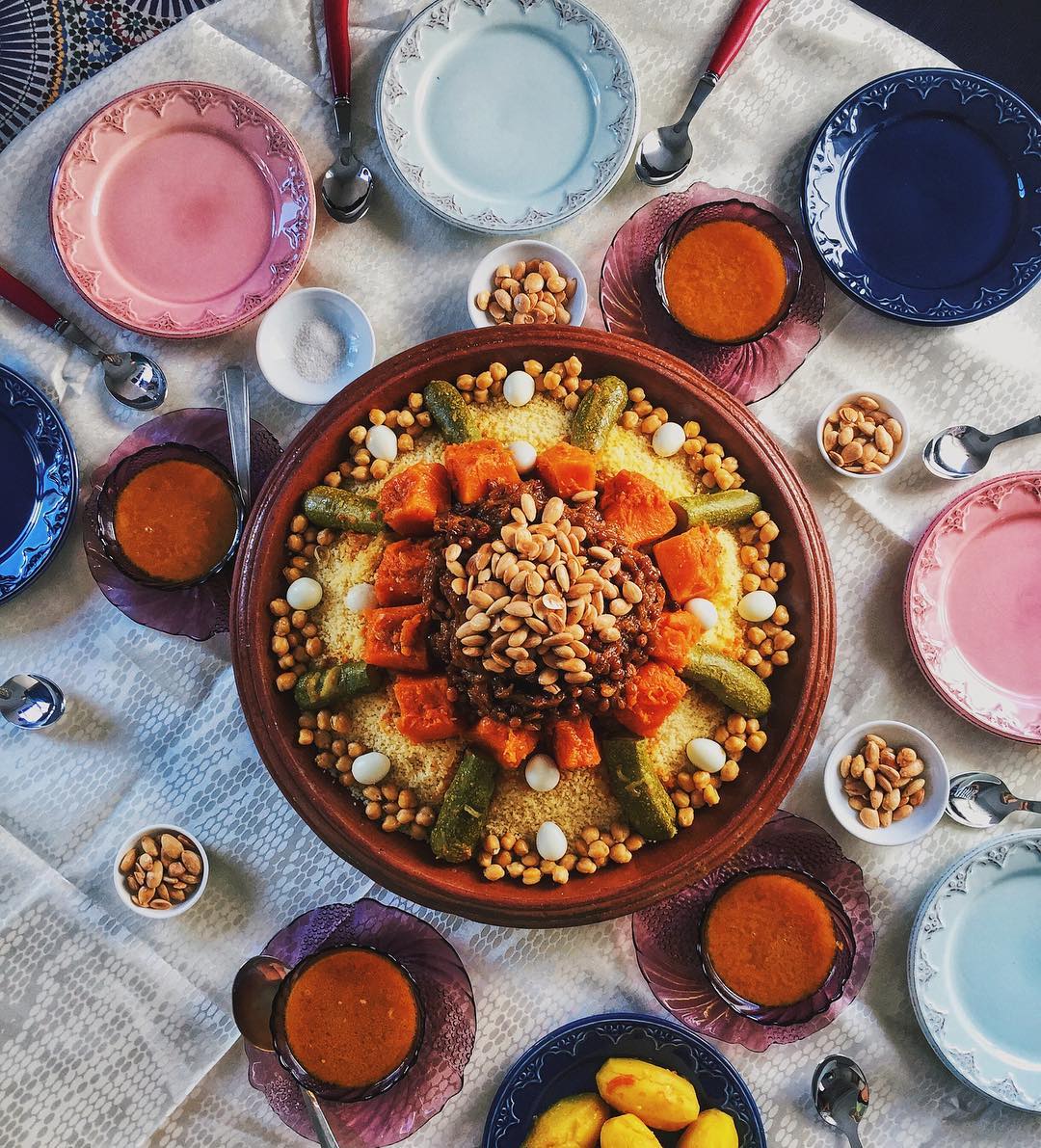 Couscousseksu
🇩🇿 Algeria and 4 moreSteamed semolina granules served with stew, a staple across North Africa
Main dish, Lunch, Dinner
Couscousseksu
🇩🇿 Algeria and 4 moreSteamed semolina granules served with stew, a staple across North Africa
Main dish, Lunch, Dinner
 BaguetteVegan
🇫🇷 France and 5 moreLong, thin French bread with a crisp crust and soft interior
Bread, Breakfast, Lunch
BaguetteVegan
🇫🇷 France and 5 moreLong, thin French bread with a crisp crust and soft interior
Bread, Breakfast, Lunch
 RechtaMeatرشتة
🇩🇿 Algeria and 1 moreAlgerian handmade noodles served with chicken and vegetables in a spiced sauce
Main dish, Lunch, Dinner
RechtaMeatرشتة
🇩🇿 Algeria and 1 moreAlgerian handmade noodles served with chicken and vegetables in a spiced sauce
Main dish, Lunch, Dinner
 Börek
🇹🇷 Turkey and 5 moreFlaky pastry filled with cheese, meat or vegetables, baked or fried
Pie or savoury pastry, Breakfast, Lunch
Börek
🇹🇷 Turkey and 5 moreFlaky pastry filled with cheese, meat or vegetables, baked or fried
Pie or savoury pastry, Breakfast, Lunch
Its cousins elsewhere
All breads Bagel
🇵🇱 Poland and 2 moreRing-shaped bread roll, boiled then baked for a dense, chewy texture
Bread, Breakfast, Lunch
PuriVegan
🇮🇳 India and 2 moreUnleavened wheat flatbread, deep-fried until puffed and golden
Bread, Breakfast, Snacks
Bagel
🇵🇱 Poland and 2 moreRing-shaped bread roll, boiled then baked for a dense, chewy texture
Bread, Breakfast, Lunch
PuriVegan
🇮🇳 India and 2 moreUnleavened wheat flatbread, deep-fried until puffed and golden
Bread, Breakfast, Snacks
 SimitVegan
🇹🇷 Turkey and 5 moreRing-shaped bread with a sesame seed crust, sold by street vendors
Bread, Breakfast, Snacks
SimitVegan
🇹🇷 Turkey and 5 moreRing-shaped bread with a sesame seed crust, sold by street vendors
Bread, Breakfast, Snacks