
Tarte Tatin
French upside-down tart with caramelized apples and pastry
Tarte Tatin is a French dessert where apples are cooked in butter and sugar, then covered with pastry and baked upside down. It was first served at the Hôtel Tatin in the Centre-Val de Loire region. The tart is turned out so the caramelized fruit sits on top. It is enjoyed as a sweet treat, especially at the end of a meal.
- Named for the Tatin sisters of Lamotte-Beuvron, France
- Apples are caramelized in butter and sugar before baking
- Traditionally made with puff pastry
- The tart is baked upside down and inverted before serving
- Other fruits and even vegetables can be used
What is Tarte Tatin?
Tarte Tatin is a pastry dessert made by layering apples with sugar and butter in a pan, then covering them with pastry and baking the whole thing upside down. Once baked, the tart is flipped so the fruit sits on top, glossy and caramelized. The apples become tender and coated in a rich, golden syrup. The base is usually puff pastry, which turns crisp and flaky after baking. The tart is often served warm, with the caramelized fruit glistening on top.
Where does Tarte Tatin come from?
The dessert is named after the Tatin sisters, who ran a hotel in Lamotte-Beuvron, France, in the late 19th century. Stories about its creation vary: one popular tale says it was invented by accident when apples were left cooking too long and the pastry was added on top to save the dish. Another account suggests the recipe was passed to the sisters by a local cook. While the sisters made it famous at their hotel, upside-down fruit tarts were already known in France. The name 'tarte Tatin' became popular after their deaths, thanks to food writers and Parisian restaurants.
How is Tarte Tatin made?
To make tarte Tatin, apples are peeled, sliced, and placed in a pan with butter and sugar. The fruit is cooked until it takes on a deep caramel color. A sheet of pastry, usually puff pastry, is laid over the fruit, and the pan is transferred to the oven. After baking, the tart is inverted onto a plate so the caramelized apples are on top. Some versions use shortcrust pastry instead of puff pastry.


How and when is Tarte Tatin eaten?
Tarte Tatin is typically served as a dessert, often still warm from the oven. It is enjoyed at the end of a meal, sometimes with cream or ice cream on the side. The tart is sliced into wedges and shared. While it began as a specialty of one hotel, it is now found in bakeries and restaurants across France and beyond.
Kinds of Tarte Tatin
While apples are the classic choice, other fruits and even vegetables can be used in tarte Tatin. The tart may be made with different apple varieties, such as Golden Delicious or Granny Smith, instead of the original regional types. Savory versions, using ingredients like tomatoes or onions, also exist. Some cooks make individual tarts or turnovers inspired by the same technique.
What Tarte Tatin means
The tarte Tatin is closely linked to French culinary history and is associated with the Centre-Val de Loire region. It became a signature dish of the Hôtel Tatin and later gained wider fame through Parisian restaurants. The dessert is celebrated in local competitions and has become a symbol of French pastry tradition.
Questions people ask about Tarte Tatin
What is tarte Tatin made of?
Tarte Tatin is made with apples, sugar, butter, and a pastry base, usually puff pastry. The apples are caramelized in the pan before the pastry is added and the tart is baked upside down.
Where does tarte Tatin come from?
Tarte Tatin comes from France, specifically the town of Lamotte-Beuvron in the Centre-Val de Loire region. It was first served at the Hôtel Tatin, run by the Tatin sisters.
How is tarte Tatin different from a regular apple pie?
Unlike a standard apple pie, tarte Tatin is assembled with the fruit at the bottom of the pan and the pastry on top, then baked and flipped so the caramelized apples are on top.
Can tarte Tatin be made with other fruits?
Yes, while apples are traditional, other fruits and even vegetables can be used to make tarte Tatin, following the same caramelizing and baking method.
Is tarte Tatin served hot or cold?
Tarte Tatin is usually served warm, which keeps the caramel soft and the pastry crisp.
Good reading and sources
The facts on this page come from the Wikipedia article "Tarte Tatin", written by its contributors and used under the CC BY-SA 4.0 licence, and from its Wikidata record (CC0). Thali rewrote the text in its own words, with AI assistance, and compares every page with the article to make sure no passage is copied. It may be reused under the same CC BY-SA 4.0 licence with a link back.
It may contain mistakes, and it is not dietary or allergy advice: recipes differ from cook to cook. If something is wrong, tell us. Last refreshed 2026-10-03.
More from France
All the food of France Ice cream
🇺🇸 United States and 5 moreA frozen dessert made from sweetened, flavoured milk or cream
Sweet or dessert, Snacks
Ice cream
🇺🇸 United States and 5 moreA frozen dessert made from sweetened, flavoured milk or cream
Sweet or dessert, Snacks
 Candy
🇺🇸 United States and 5 moreSmall sweet treats made mainly from sugar or sweeteners
Sweet or dessert, Snacks
Candy
🇺🇸 United States and 5 moreSmall sweet treats made mainly from sugar or sweeteners
Sweet or dessert, Snacks
 CroissantVegetarian
🇫🇷 France and 5 moreA crescent-shaped, flaky pastry made from layered yeast dough and butter
Pie or savoury pastry, Breakfast, Tea time
CroissantVegetarian
🇫🇷 France and 5 moreA crescent-shaped, flaky pastry made from layered yeast dough and butter
Pie or savoury pastry, Breakfast, Tea time
 French toast
🇫🇷 France and 5 moreBread soaked in egg and milk, pan-fried and served sweet or savoury
Main dish, Breakfast, Snacks
French toast
🇫🇷 France and 5 moreBread soaked in egg and milk, pan-fried and served sweet or savoury
Main dish, Breakfast, Snacks
Its cousins elsewhere
All sweets and desserts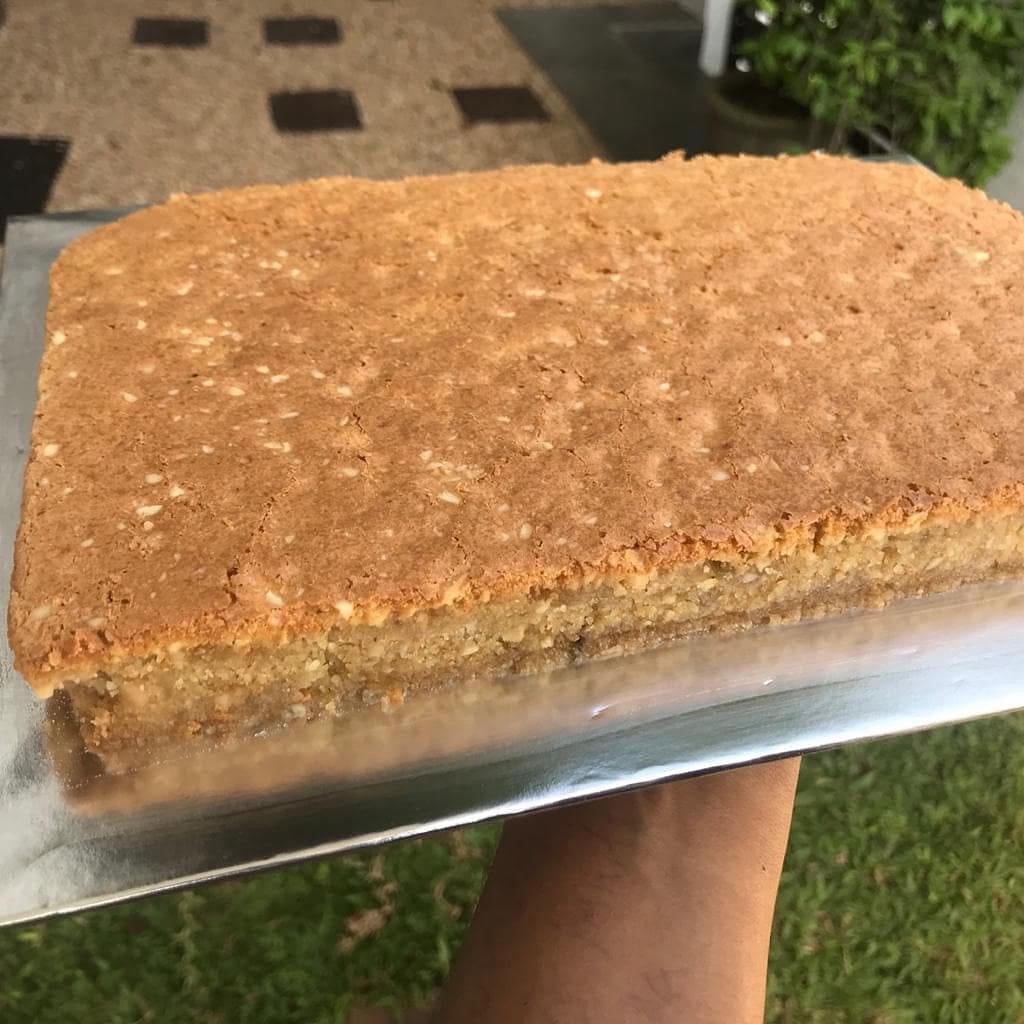 Love cakeVegetarian
🇱🇰 Sri LankaSri Lankan semolina cake with cashews, pumpkin preserve, and aromatic spices
Sweet or dessert
Sheer khurmaVegetarianشير خرما
🇮🇳 India and 2 moreA sweet vermicelli pudding with milk, dates and nuts for Eid celebrations
Sweet or dessert, Breakfast, Snacks
Love cakeVegetarian
🇱🇰 Sri LankaSri Lankan semolina cake with cashews, pumpkin preserve, and aromatic spices
Sweet or dessert
Sheer khurmaVegetarianشير خرما
🇮🇳 India and 2 moreA sweet vermicelli pudding with milk, dates and nuts for Eid celebrations
Sweet or dessert, Breakfast, Snacks
 Chocolate brownieVegetarianBrownie
🇺🇸 United States and 2 moreDense chocolate squares baked as a bar, often served warm or with toppings
Sweet or dessert, Snacks, Tea time
Chocolate brownieVegetarianBrownie
🇺🇸 United States and 2 moreDense chocolate squares baked as a bar, often served warm or with toppings
Sweet or dessert, Snacks, Tea time