Tourtière
French Canadian meat pie with spiced filling, often served at Christmas and New Year
Tourtière is a savoury meat pie from Quebec, Canada, filled with minced or cubed pork, beef, veal, or sometimes game and potatoes. It is a traditional dish for Christmas and New Year's Eve in Quebec, but is also enjoyed year-round across Canada and in parts of New England. The filling and spices vary by region and family tradition.
- Traditional Quebec meat pie served at Christmas and New Year's Eve
- Filling can include pork, beef, veal, game, or fish, plus potatoes
- Saguenay–Lac-Saint-Jean is famous for its deep-dish tourtière
- Acadian and Montreal versions use different meats and spices
- Brought to New England by Quebec immigrants
What is Tourtière?
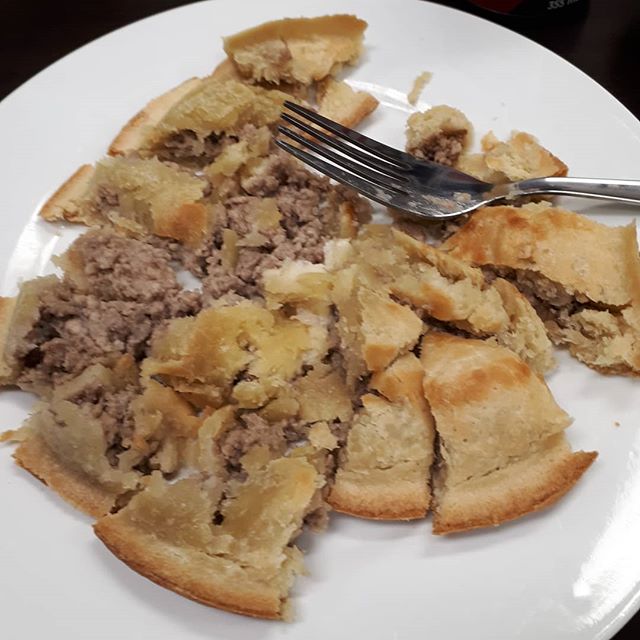
Tourtière is a meat pie with a flaky pastry crust, filled with a mixture of minced or cubed meats and potatoes. Pork is the most common meat, but beef, veal, wild game like rabbit or venison, and even fish such as salmon are used depending on the region. The filling is often seasoned with spices like cinnamon, cloves, nutmeg, and sometimes celery salt or dry mustard. The pie is baked until golden and served hot, with a comforting, savoury aroma.
Where does Tourtière come from?
Tourtière comes from Quebec, where it has long been part of French Canadian cooking. Its roots may go back to the 18th-century 'sea pie' made by French and British colonists. The dish spread with French Canadian communities across Canada and into New England. The name does not come from the extinct passenger pigeon, as sometimes claimed, but likely from the pie dish itself. Each region and family has its own version, shaped by local ingredients and traditions.
How is Tourtière made?
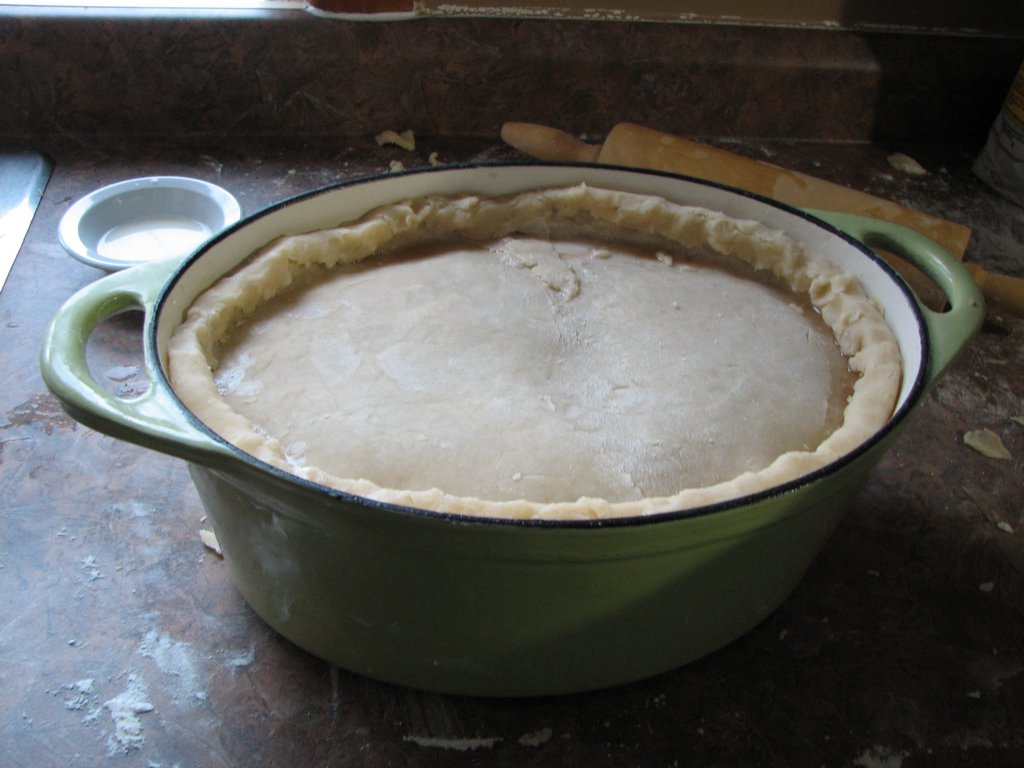
To make tourtière, a pastry crust is lined in a pie dish and filled with a mixture of meat and potatoes. The meat may be ground or cut into small cubes, and can include pork, beef, veal, game, or fish. Spices such as cinnamon and cloves are often added, especially in Montreal. The filling is covered with another layer of pastry, sealed, and baked until the crust is crisp and the filling is cooked through.
How and when is Tourtière eaten?
Tourtière is served hot, often as the main dish for holiday gatherings like Christmas Eve, New Year's Eve, or Thanksgiving. In Quebec, it is a centrepiece of the réveillon, a festive late-night meal. It is also eaten throughout the year, both at home and from grocery stores. Some enjoy it with condiments such as ketchup, maple syrup, molasses, or cranberry preserves. It is usually sliced and served with sides like vegetables or salad.
Kinds of Tourtière
There are many regional styles of tourtière. The Saguenay–Lac-Saint-Jean version is a deep-dish pie with cubed meats and potatoes, sometimes including wild game or turkey. In Montreal, the filling is finely ground pork with spices. Acadian tourtière, or pâté à la viande, may include pork, chicken, hare, or beef, and is sometimes made in small pie plates. Coastal areas may use fish instead of meat.
What Tourtière means
Tourtière is a symbol of French Canadian heritage and is closely tied to holiday celebrations. It is especially important at Christmas and New Year's gatherings. In regions like Saguenay–Lac-Saint-Jean and among Francophone communities in Manitoba, it is a point of local pride. The dish has adapted over time, reflecting both French and British influences, and remains a beloved part of Canadian food culture.
When Tourtière is on the table
Questions people ask about Tourtière
What is tourtière made of?
Tourtière is made with a pastry crust and a filling of minced or cubed pork, beef, veal, or sometimes game or fish, along with potatoes and spices. The exact ingredients vary by region.
Where does tourtière come from?
Tourtière originates from Quebec, Canada, and is a traditional dish in French Canadian communities. It is also found in other parts of Canada and in New England, United States.
When is tourtière usually eaten?
Tourtière is especially popular at Christmas, Christmas Eve, New Year's Eve, and Thanksgiving, but it is also eaten year-round in many parts of Canada.
Are there different kinds of tourtière?
Yes, there are many regional versions. The Saguenay–Lac-Saint-Jean style is deep-dish with cubed meats, while Montreal uses finely ground pork and spices. Acadian versions may include chicken or hare.
Is tourtière always made with meat?
Tourtière is traditionally a meat pie, but the type of meat can vary. In some coastal areas, fish such as salmon is used instead of meat.
Good reading and sources
The facts on this page come from the Wikipedia article "Tourtière", written by its contributors and used under the CC BY-SA 4.0 licence, and from its Wikidata record (CC0). Thali rewrote the text in its own words, with AI assistance, and compares every page with the article to make sure no passage is copied. It may be reused under the same CC BY-SA 4.0 licence with a link back.
It may contain mistakes, and it is not dietary or allergy advice: recipes differ from cook to cook. If something is wrong, tell us. Last refreshed 2026-10-03.
More from Canada
All the food of Canada ShawarmaMeatشاورما
🇸🇾 Syria and 5 moreMeat roasted on a vertical spit and sliced into flatbread with sauces and vegetables
Street food, Lunch, Dinner
ShawarmaMeatشاورما
🇸🇾 Syria and 5 moreMeat roasted on a vertical spit and sliced into flatbread with sauces and vegetables
Street food, Lunch, Dinner
 Fish and chipsFish or seafood
🇬🇧 United Kingdom and 8 moreBattered fried fish served hot with thick-cut chips
Main dish, Lunch, Dinner
Fish and chipsFish or seafood
🇬🇧 United Kingdom and 8 moreBattered fried fish served hot with thick-cut chips
Main dish, Lunch, Dinner
 MuktukMeat
🇬🇱 Greenland and 1 moreWhale skin and blubber eaten by Inuit and other Arctic peoples
Main dish, Snacks
MuktukMeat
🇬🇱 Greenland and 1 moreWhale skin and blubber eaten by Inuit and other Arctic peoples
Main dish, Snacks
 Thanksgiving dinnerMeat
🇺🇸 United States and 2 moreA holiday meal centered on roast turkey with a variety of side dishes and desserts
Main dish, Dinner
Thanksgiving dinnerMeat
🇺🇸 United States and 2 moreA holiday meal centered on roast turkey with a variety of side dishes and desserts
Main dish, Dinner
Its cousins elsewhere
All main dishes Rocoto rellenoMeat
🇵🇪 PeruPeruvian stuffed rocoto peppers baked with meat and cheese
Main dish, Lunch, Dinner
Rocoto rellenoMeat
🇵🇪 PeruPeruvian stuffed rocoto peppers baked with meat and cheese
Main dish, Lunch, Dinner
 PachamancaMeat
🇵🇪 Peru and 1 moreAndean meats and vegetables slow-cooked with hot stones in an earthen oven
Main dish, Lunch, Dinner
PachamancaMeat
🇵🇪 Peru and 1 moreAndean meats and vegetables slow-cooked with hot stones in an earthen oven
Main dish, Lunch, Dinner
 Tofu skin roll
🇨🇳 ChinaTofu skin wrapped around a savoury filling, served steamed or fried as dim sum
Main dish, Lunch, Dinner
Tofu skin roll
🇨🇳 ChinaTofu skin wrapped around a savoury filling, served steamed or fried as dim sum
Main dish, Lunch, Dinner
 Khinkaliხინკალი
🇬🇪 GeorgiaGeorgian dumplings with spiced meat or vegetable filling and a juicy broth inside
Dumpling, Lunch, Dinner
Khinkaliხინკალი
🇬🇪 GeorgiaGeorgian dumplings with spiced meat or vegetable filling and a juicy broth inside
Dumpling, Lunch, Dinner