
Turon
Banana slices wrapped in pastry, fried and glazed with caramelized sugar
Turon is a Filipino snack of sliced banana, usually saba, wrapped in a thin pastry, fried until crisp, and coated in caramelized brown sugar. Often eaten at merienda (afternoon snack) or as dessert, it is also a popular street food and sometimes includes jackfruit, sweet potato, mango, cheese, or coconut.
- Turon is made with banana wrapped in spring roll pastry and fried
- Caramelized brown sugar forms a crisp glaze on the outside
- Jackfruit, sweet potato, or mango may be added as extra fillings
- It is a popular street snack in the Philippines
- In Malabon, 'valencia' refers to the banana-filled version
What is Turon?
Turon is a sweet Filipino snack made by rolling thin slices of banana, typically the starchy saba variety, in a spring roll wrapper. The wrapped banana is then fried until the outside turns crisp and golden, and finished with a coating of caramelized brown sugar that hardens into a shiny glaze. The result is a crunchy exterior with a soft, sweet fruit filling. Some versions add jackfruit, sweet potato, mango, cheese, or coconut for extra flavor. Turon is widely found at street stalls and is enjoyed for its mix of textures and gentle sweetness.
Where does Turon come from?
Turon comes from the Philippines and is a familiar part of local snacking culture. Its name is Spanish in origin, but it is unrelated to the Spanish turrón, which is a nougat confection. The dish likely arose from the Filipino practice of wrapping various fillings in lumpia (spring roll) wrappers and frying them. Over time, turon became a favorite for merienda, the Filipino afternoon snack, and is now a common sight at street food stands. In Malabon, a city in the Philippines, 'turon' may refer to a mung bean-filled version, while the banana-filled type is called 'valencia.'
How is Turon made?
To make turon, bananas are sliced lengthwise and rolled in a thin pastry wrapper, similar to those used for spring rolls. The wrapped bananas are deep-fried until the wrapper becomes crisp and golden. During frying, brown sugar is sprinkled over the rolls, which melts and coats them in a caramel glaze. Some recipes include extra fillings such as jackfruit, sweet potato, mango, cheese, or coconut, tucked in with the banana before wrapping. The finished rolls are drained and left to cool slightly, allowing the sugar to harden.


How and when is Turon eaten?
Turon is most often eaten as a snack during merienda, the Filipino afternoon break, or as a dessert. It is commonly sold by street vendors, often alongside other fried sweets like banana cue and camote cue. Turon is usually eaten by hand, straight from the paper or tray it is sold on. It is enjoyed for its contrast of crisp pastry and soft, sweet fruit. While it is an everyday treat, it can also be served at gatherings or as a casual dessert.
Kinds of Turon
While the classic turon is filled with banana, especially the saba variety, other fillings are sometimes added. Jackfruit is the most common addition, lending a fragrant note. Some versions use sweet potato, mango, cheese, or coconut. In Malabon, a mung bean-filled turon is traditional, and the banana version is called valencia, often shaped into triangles. These regional differences show how turon adapts to local tastes and ingredients.
What Turon means
Turon is a familiar part of Filipino daily life, especially as a street food and a merienda snack. It is often sold from carts or stalls, sometimes together with other fried sweets. Though it has no special religious or festival association, its popularity makes it a staple of casual gatherings and everyday snacking. The dish reflects the Filipino fondness for fried snacks and creative use of local fruits like saba bananas.
Questions people ask about Turon
What is turon made of?
Turon is made of thinly sliced banana, usually saba, wrapped in a spring roll wrapper, fried until crisp, and coated with caramelized brown sugar. Some versions add jackfruit, sweet potato, mango, cheese, or coconut.
Where does turon come from?
Turon comes from the Philippines, where it is a popular snack and street food. It is commonly eaten during merienda, the afternoon snack time.
Is turon always filled with banana?
Banana is the main filling for turon, but other ingredients like jackfruit, sweet potato, mango, cheese, or coconut may also be included.
How is turon served?
Turon is usually served as a snack or dessert, often sold by street vendors. It is eaten by hand, sometimes warm or at room temperature.
What does turon taste like?
Turon has a crunchy, caramelized exterior and a soft, sweet banana filling. The brown sugar glaze adds extra sweetness and a crisp texture.
Good reading and sources
The facts on this page come from the Wikipedia article "Turon (food)", written by its contributors and used under the CC BY-SA 4.0 licence, and from its Wikidata record (CC0). Thali rewrote the text in its own words, with AI assistance, and compares every page with the article to make sure no passage is copied. It may be reused under the same CC BY-SA 4.0 licence with a link back.
It may contain mistakes, and it is not dietary or allergy advice: recipes differ from cook to cook. If something is wrong, tell us. Last refreshed 2026-10-03.
More from the Philippines
All the food of the Philippines Hot chocolate
🇲🇽 Mexico and 5 moreA warm drink made from chocolate or cocoa, milk or water, and sugar
Drink, Breakfast, Snacks
Hot chocolate
🇲🇽 Mexico and 5 moreA warm drink made from chocolate or cocoa, milk or water, and sugar
Drink, Breakfast, Snacks
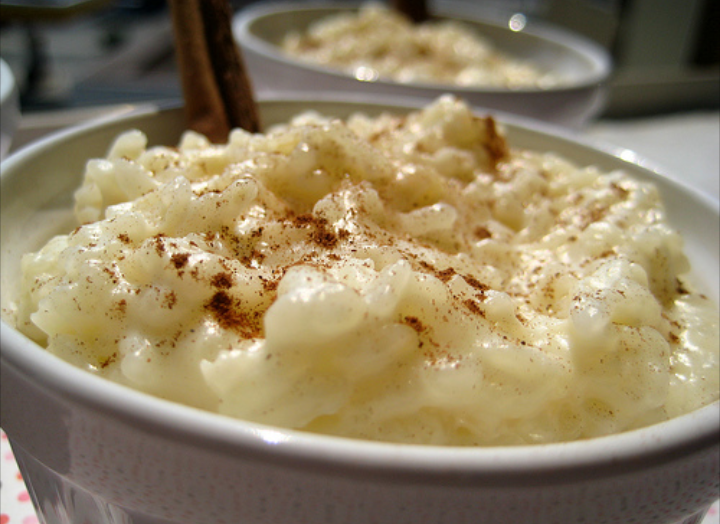 Rice pudding
🇮🇳 India and 4 moreSweetened rice cooked in milk, found in many forms worldwide
Sweet or dessert, Breakfast, Lunch
Rice pudding
🇮🇳 India and 4 moreSweetened rice cooked in milk, found in many forms worldwide
Sweet or dessert, Breakfast, Lunch
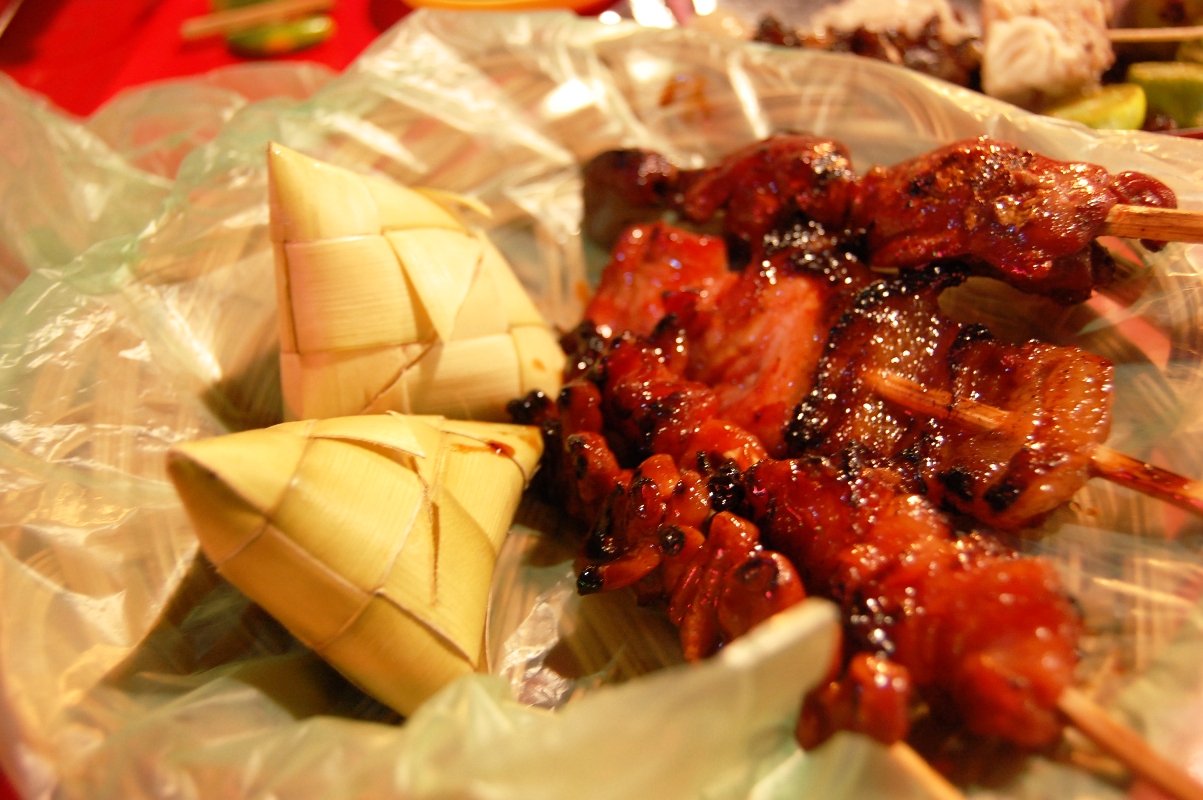 Inihaw
🇵🇭 PhilippinesGrilled meats and seafood, often on skewers, from the Philippines
Main dish, Lunch, Dinner
Inihaw
🇵🇭 PhilippinesGrilled meats and seafood, often on skewers, from the Philippines
Main dish, Lunch, Dinner
 BreadfruitVegan
🇵🇭 Philippines and 4 moreLarge tropical fruit cooked as a starchy staple in many island cuisines
Main dish, Lunch, Dinner
BreadfruitVegan
🇵🇭 Philippines and 4 moreLarge tropical fruit cooked as a starchy staple in many island cuisines
Main dish, Lunch, Dinner
Its cousins elsewhere
All sweets and desserts StroopwafelVegetarian
🇳🇱 NetherlandsThin Dutch waffles sandwiched with a spiced syrup filling
Pie or savoury pastry, Snacks
StroopwafelVegetarian
🇳🇱 NetherlandsThin Dutch waffles sandwiched with a spiced syrup filling
Pie or savoury pastry, Snacks
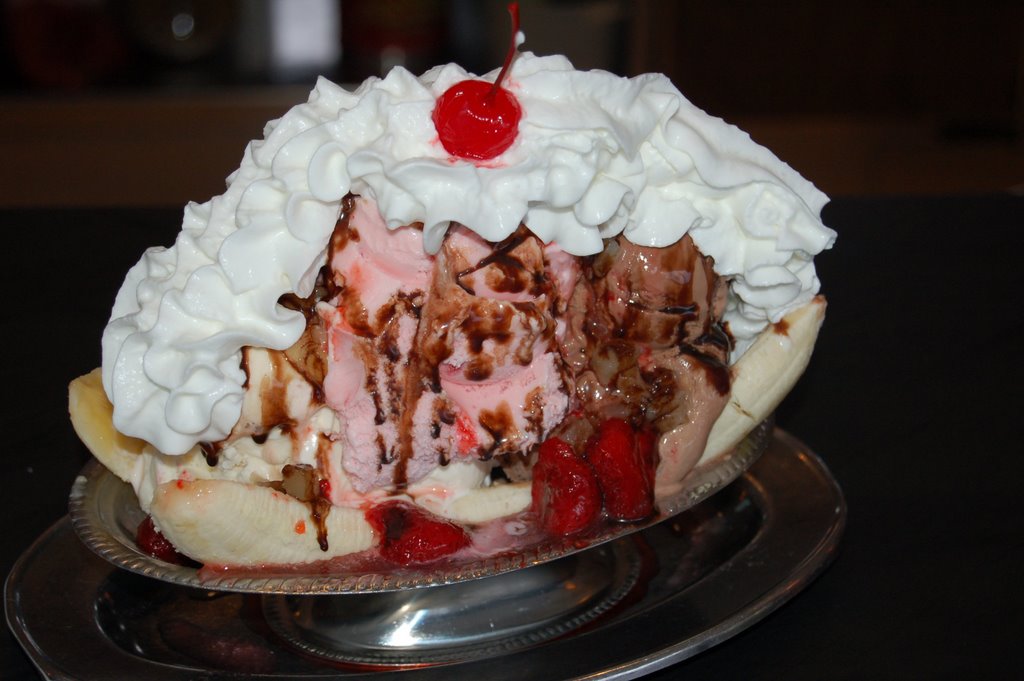 Banana splitVegetarian
🇺🇸 United StatesIce cream and toppings served over a split banana in a long dish
Sweet or dessert, Snacks
Banana splitVegetarian
🇺🇸 United StatesIce cream and toppings served over a split banana in a long dish
Sweet or dessert, Snacks
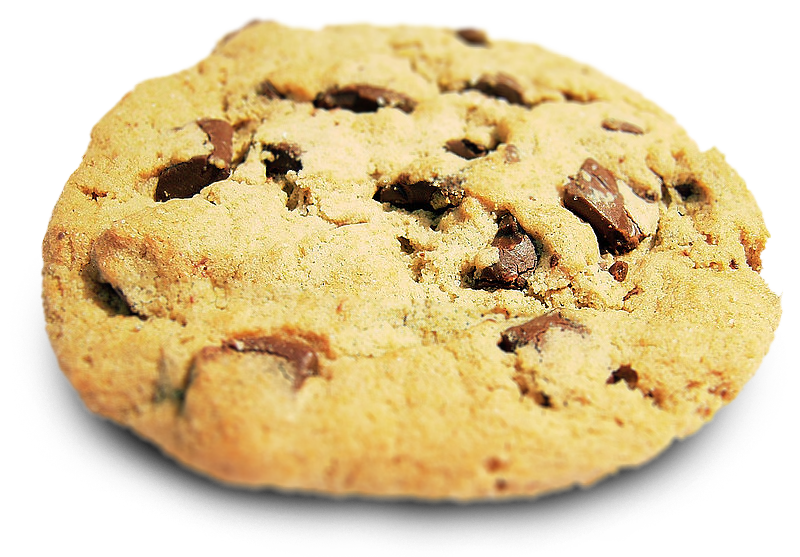 Chocolate chip cookie
🇺🇸 United StatesDrop cookie with pieces of chocolate mixed into the dough
Sweet or dessert, Snacks, Tea time
Chocolate chip cookie
🇺🇸 United StatesDrop cookie with pieces of chocolate mixed into the dough
Sweet or dessert, Snacks, Tea time
 Açaí na tigelaVegan
🇧🇷 Brazil and 2 moreFrozen açaí pulp blended and served in a bowl with sweet toppings
Sweet or dessert, Snacks
Açaí na tigelaVegan
🇧🇷 Brazil and 2 moreFrozen açaí pulp blended and served in a bowl with sweet toppings
Sweet or dessert, Snacks