Sacred and ceremonial meals
Gongfu tea
The Chinese method of brewing tea with skill: a tiny pot packed with leaves, many quick infusions, and thimble-sized cups shared round.
Presented by ClearTrust Free for cooks, travellers and the curious.
Gongfu means skill gained through effort. Gongfu tea is a way of brewing that gets the most from good leaves, especially oolong. A small pot or lidded bowl is filled generously with tea and steeped for seconds at a time, again and again. Each round tastes a little different. It is as much everyday hospitality as ceremony.

What it is
The equipment is small. There is an unglazed clay teapot or a porcelain lidded bowl called a gaiwan, a serving jug, and cups that hold two or three sips. They sit on a slatted tray that catches spilled water. The leaf to water ratio is high, the water is very hot, and each steeping is short. A good oolong or aged tea can give eight or more infusions. The drinker follows how the scent and taste change from the first cup to the last.
Where it comes from
The method is tied to the Chaoshan region of eastern Guangdong, around Chaozhou and Shantou, and to southern Fujian, where oolong teas are grown. In Chaozhou it is part of ordinary life. Shopkeepers keep a tray on the counter and pour for whoever stops by. The practice spread with migrants to Taiwan and Southeast Asia, and Taiwan developed its own refinements. China's tea processing techniques and the customs around them were added to the UNESCO heritage list in 2022.
How it works
The host rinses pot and cups with boiling water to warm them, then fills the pot with leaves. The first pour of water is often tipped away at once to wake the leaves. Then the pot is filled, covered, steeped briefly and emptied completely into the jug or straight across the cups in a circling motion so each gets the same strength. Guests drink, the host refills. Tea is taken plain. Small snacks such as nuts, dried fruit or pastries may be offered.
How to do it
- Wait for the host to pour. Cups are filled in a round, not one by one.
- Pick up the cup with thumb and forefinger, middle finger under the base.
- Smell the tea first, then drink in two or three sips.
- Put the cup back on the tray to be refilled.
- Tap two fingers on the table to say thanks for each pour.
Good manners
- Do not add sugar or milk.
- Elders and guests are served first. The host drinks last.
- Leave your cup full if you have had enough. An empty cup will be refilled.
What is eaten
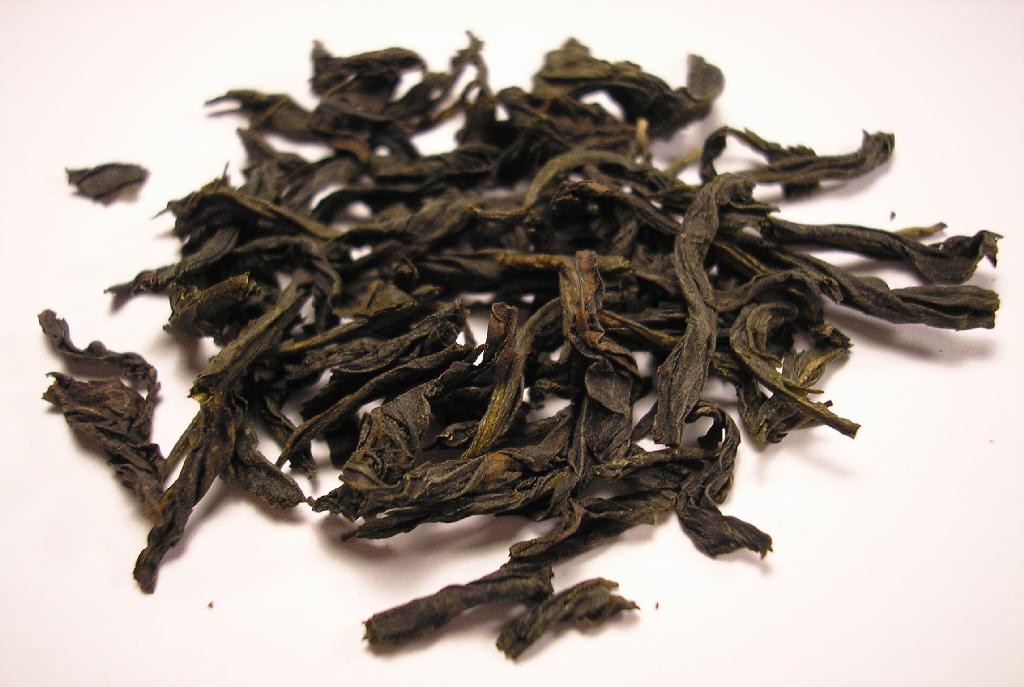 OolongA semi-oxidized Chinese tea with a wide range of flavors and aromas
 TieguanyinA Chinese oolong tea named for the Goddess of Mercy, with floral or roasted notes
 Da Hong PaoRare oolong tea from the Wuyi Mountains with a floral aroma and sweet finish
 Pu'erAged and fermented tea from Yunnan, shaped into cakes or bricks
 Pineapple cakeTaiwanese pastry with sweet pineapple jam inside a golden, crumbly shell
Sources and further reading
- Gongfu tea on Wikipedia
- UNESCO Intangible Cultural Heritage: Traditional tea processing techniques and associated social practices in China
Original text by the Thali desk, written with AI assistance and checked against the sources above. Customs vary from place to place. If we have something wrong, tell us.
Photo credits on this page
The small pictures above come from Wikimedia Commons under free licences. Some are cropped to fit.
- Pineapple cake: Mk2010, CC BY-SA 3.0, source
- Da Hong Pao: Iateasquirrel at English Wikipedia, CC BY-SA 3.0, source
- Pu'er: soultea.de /André Helbig, CC BY 3.0, source
- Oolong: User Iateasquirrel on en.wikipedia, CC BY-SA 3.0, source
- Tieguanyin: Quelcrime, Public domain, source