Oolong
In its own language: 烏龍茶
A semi-oxidized Chinese tea with a wide range of flavors and aromas
Oolong is a traditional Chinese tea made from Camellia sinensis leaves that are partially oxidized, giving it qualities between green and black tea. It is especially popular in southeastern China and Taiwan, with many regional varieties, and is known for its complex flavors that can range from floral and fruity to roasted and woody.
- Oolong is made from partially oxidized tea leaves
- Famous varieties come from Fujian, Guangdong, and Taiwan
- Flavors range from floral and fruity to roasted and woody
- Oolong is central to the gongfu tea ceremony
- The name means 'black dragon tea' in Chinese
What is Oolong?
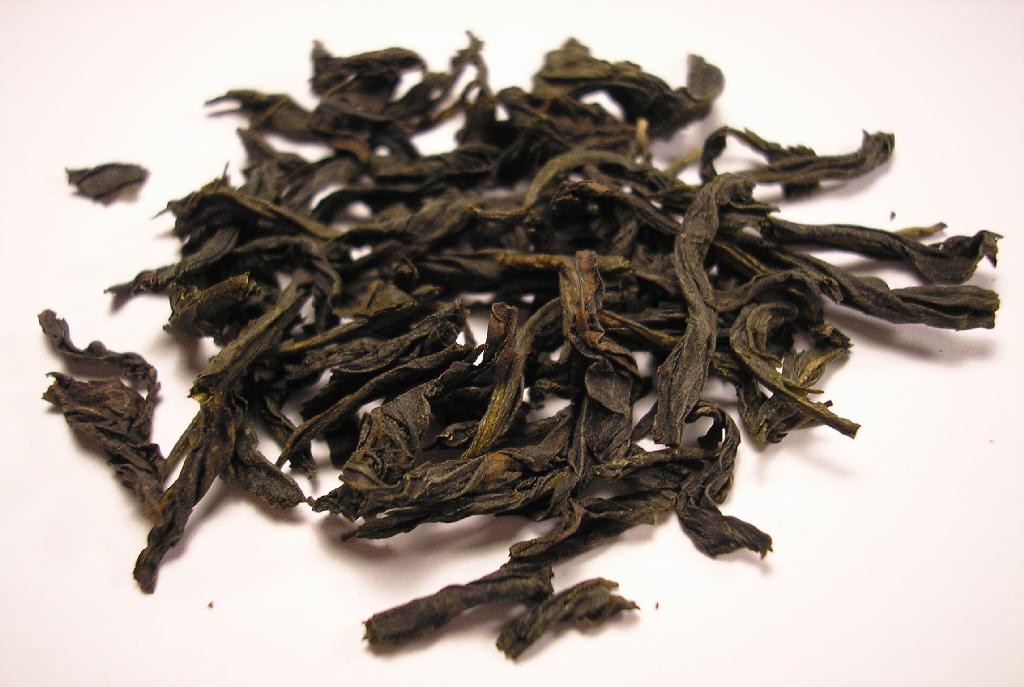
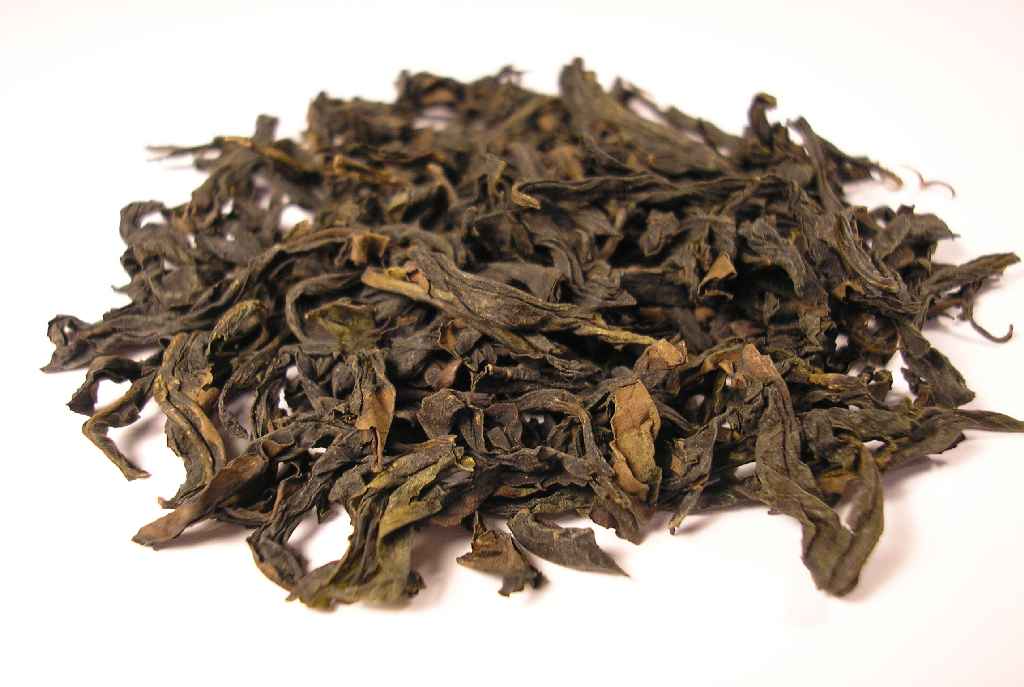
Oolong is a type of tea made from the leaves of the Camellia sinensis plant. The leaves are partially oxidized, placing oolong between green and black tea in both color and flavor. Oolong teas can taste floral and sweet, fruity with honey notes, or roasted and woody, depending on how they are made. The leaves are often rolled into long curls or small beads, and the brewed tea can range from golden yellow to dark amber. Oolong contains caffeine and is enjoyed for its aroma and complexity.
Where does Oolong come from?
Oolong tea comes from China, with a long history in southeastern regions such as Fujian and Guangdong. The name 'oolong' first appeared in an 1857 text, and its meaning—'black dragon tea'—may refer to the dark, curly shape of the leaves. Oolong production later spread to Taiwan, where it became a staple of local tea culture. The tea is linked to both traditional tribute teas and the rise of loose-leaf tea drinking.
How is Oolong made?
To make oolong, tea leaves are first withered in the sun, then allowed to oxidize for a controlled period. The level of oxidation can vary widely, from about 8% to 85%, depending on the style. The leaves are then curled or rolled, sometimes into long strips or into tight beads. The process involves careful timing and temperature control, with repeated stages of bruising, rolling, and firing to develop the desired flavor and aroma.



How and when is Oolong eaten?
Oolong is usually served hot, often prepared using the gongfu tea ceremony, which uses small teapots and multiple short steepings. It is enjoyed throughout the day, both on its own and with food. In Taiwan and China, oolong is a common everyday drink, valued for its refreshing qualities and its ability to pair with a variety of dishes. The tea is often shared among friends or family during gatherings.
Kinds of Oolong
There are many regional types of oolong. In China, famous examples include Da Hong Pao and Tieguanyin. Guangdong produces Dancong teas, known for floral and fruity notes. Taiwan is home to high-mountain oolongs like Alishan and Lishan, as well as unique varieties such as Dong Ding and Jin Xuan ('Milk Oolong'). Some oolongs are lightly oxidized and green, while others are dark and roasted. Other countries, such as Japan and Vietnam, also make oolong using local methods.
What Oolong means
Oolong tea is an important part of Chinese and Taiwanese tea culture. It is central to the gongfu tea ceremony, which emphasizes careful brewing and appreciation of aroma and taste. Certain oolongs, like Da Hong Pao, are highly prized and can be very expensive. The tea is also associated with regional pride, especially in Fujian and Taiwan, and is widely consumed in daily life as well as at social gatherings.
Questions people ask about Oolong
What is oolong tea made from?
Oolong tea is made from the leaves of the Camellia sinensis plant, which are partially oxidized and then rolled or curled before drying.
Where does oolong tea come from?
Oolong originated in China, especially in Fujian and Guangdong provinces, and is also widely produced in Taiwan. Other countries like Japan and Vietnam make oolong as well.
How does oolong taste?
Oolong teas can taste floral and sweet, fruity with honey notes, or roasted and woody, depending on how they are processed and where they are grown.
How is oolong prepared?
Oolong is often brewed using small teapots or cups, with a higher leaf-to-water ratio and multiple short steepings, especially in the gongfu tea ceremony.
Is oolong tea caffeinated?
Yes, oolong tea contains caffeine, but the amount varies depending on the variety, how the leaves are grown, and how the tea is processed.
Good reading and sources
The facts on this page come from the Wikipedia article "Oolong", written by its contributors and used under the CC BY-SA 4.0 licence, and from its Wikidata record (CC0). Thali rewrote the text in its own words, with AI assistance, and compares every page with the article to make sure no passage is copied. It may be reused under the same CC BY-SA 4.0 licence with a link back.
It may contain mistakes, and it is not dietary or allergy advice: recipes differ from cook to cook. If something is wrong, tell us. Last refreshed 2026-10-03.
More from China
All the food of China TeaVegan茶
🇨🇳 China and 5 moreA drink made by soaking tea leaves in hot or cold water
Drink
TeaVegan茶
🇨🇳 China and 5 moreA drink made by soaking tea leaves in hot or cold water
Drink
 KumisКымыз
🇲🇳 Mongolia and 4 moreFermented mare's milk drink from the Central Asian steppe
Drink
KumisКымыз
🇲🇳 Mongolia and 4 moreFermented mare's milk drink from the Central Asian steppe
Drink
 Bubble tea珍珠奶茶
🇹🇼 Taiwan and 5 moreSweet tea with chewy tapioca pearls, served hot or cold
Drink
Bubble tea珍珠奶茶
🇹🇼 Taiwan and 5 moreSweet tea with chewy tapioca pearls, served hot or cold
Drink
 GuinnessVegan
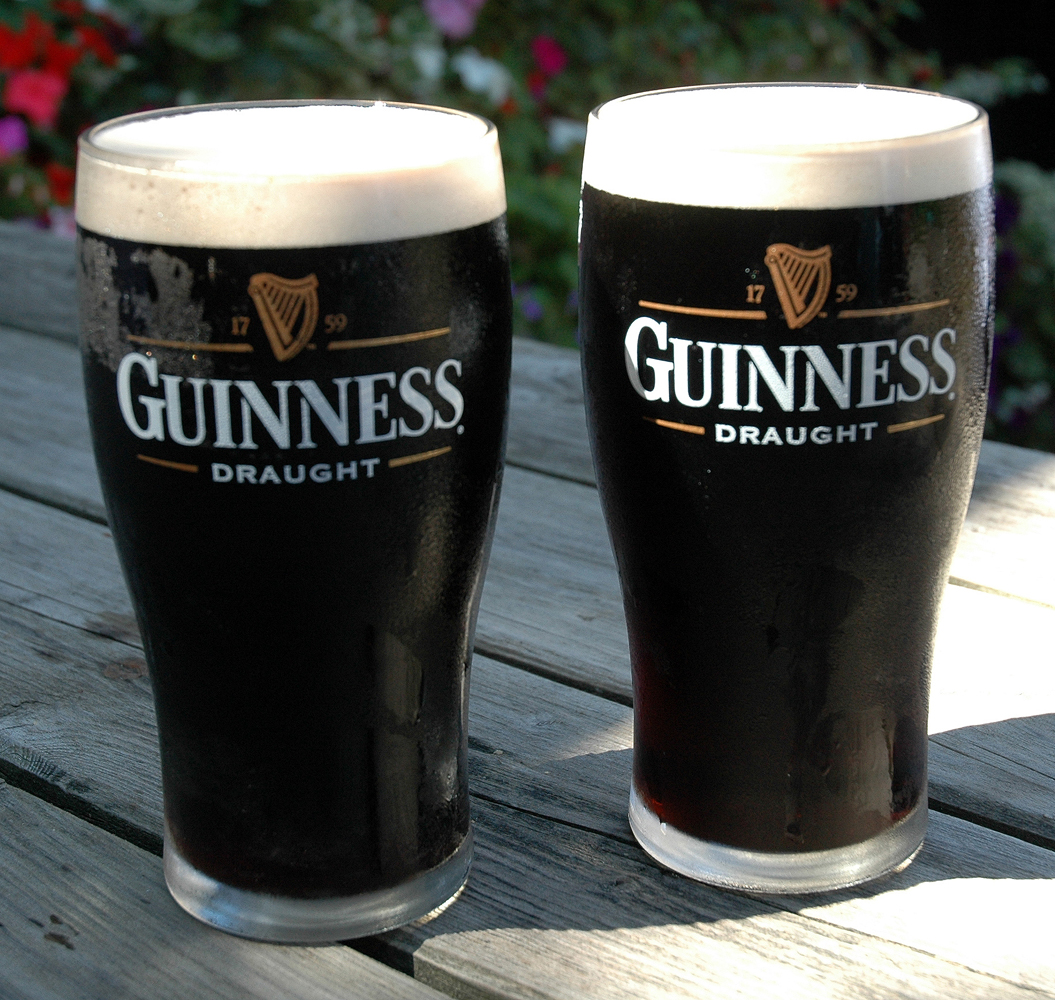
🇮🇪 Ireland and 5 moreA dark Irish stout with a creamy head and dry, roasted flavour
Drink
GuinnessVegan
🇮🇪 Ireland and 5 moreA dark Irish stout with a creamy head and dry, roasted flavour
Drink
Its cousins elsewhere
All drinks Hot chocolate
🇲🇽 Mexico and 5 moreA warm drink made from chocolate or cocoa, milk or water, and sugar
Drink, Breakfast, Snacks
MbegeVegan
🇹🇿 TanzaniaMildly alcoholic banana and millet drink from Tanzania's Chagga people
Drink
Hot chocolate
🇲🇽 Mexico and 5 moreA warm drink made from chocolate or cocoa, milk or water, and sugar
Drink, Breakfast, Snacks
MbegeVegan
🇹🇿 TanzaniaMildly alcoholic banana and millet drink from Tanzania's Chagga people
Drink
 OshikunduVegan
🇳🇦 NamibiaThick, fermented millet and sorghum drink from northern Namibia
Drink
OshikunduVegan
🇳🇦 NamibiaThick, fermented millet and sorghum drink from northern Namibia
Drink
 Coffee ceremonyVeganቡና ማፍላት
🇪🇹 Ethiopia and 1 moreA social ritual of roasting, brewing and sharing coffee in Ethiopia and Eritrea
Drink
Coffee ceremonyVeganቡና ማፍላት
🇪🇹 Ethiopia and 1 moreA social ritual of roasting, brewing and sharing coffee in Ethiopia and Eritrea
Drink