🇱🇹 The food of Lithuania
27 dishes from Lithuania, best known first, across 2 cities and regions.
Lithuanian cooking draws on local grains, root vegetables, mushrooms, and dairy, shaped by a cool northern climate and centuries of outside influence. Rye bread, potatoes, and pickled foods are central, with foraged mushrooms and berries adding variety. German, French, Italian, and Karaite traditions have each left their mark.
- Rye bread is eaten at every meal and baked with a sourdough starter.
- Foraging for wild mushrooms and berries is a national pastime.
- Pickling preserves vegetables and adds sharp flavors for winter.
- Potatoes became widespread only in the 18th century.
- German, French, Italian, and Karaite cuisines have influenced local dishes.
The cooking of Lithuania
Lithuanian food is grounded in what grows well in its northern climate: rye, barley, potatoes, beets, and cabbage, along with dairy from local farms. Pickling and fermenting are common, both to preserve food for winter and to add sharp flavors. Soups are eaten often and considered important for health. Foraging for mushrooms and berries is a long-standing tradition, and these wild foods appear in many dishes. Over the centuries, German, French, Italian, and Karaite influences have introduced new ingredients and cooking styles, from pork and potato dishes to elegant cakes and stuffed pastries. The result is a cuisine that feels both rustic and layered, with a focus on hearty, mild, and earthy flavors.
Staple foods in Lithuania
Dark rye bread is the everyday staple, often made with a sourdough starter and sometimes flavored with caraway or onion. Potatoes are used in many forms: boiled, baked, or as the base for dishes like kugelis (potato pudding) and vėdarai (potato-stuffed intestines). Beets, cabbage, cucumbers, and dill are common vegetables, while dairy products are a specialty. Pickled vegetables and mushrooms are eaten year-round. Foraged mushrooms and wild berries, such as bilberries and lingonberries, are valued for both flavor and tradition.
From region to region in Lithuania
Regional differences show up in the use of wild foods and local specialties. For example, the Dzūkija region is known for its abundance of mushrooms, which are sold at roadside markets. Karaite influence is strongest in areas where this community settled, bringing dishes like kibinai (stuffed pastries). Noble and courtly traditions, especially in Vilnius, introduced French and Italian touches, while rural areas have kept older foraging and bread-making customs alive.
The facts in this overview come from the Wikipedia article "Lithuanian cuisine", written by its contributors and used under the CC BY-SA 4.0 licence. Thali rewrote the text in its own words, with AI assistance, and compares every page with the article to make sure no passage is copied. It may be reused under the same CC BY-SA 4.0 licence with a link back.
 Kissel
🇷🇺 Russia and 5 moreA sweet, thickened fruit or grain dessert from Eastern and Central Europe
Sweet or dessert, Snacks
Kissel
🇷🇺 Russia and 5 moreA sweet, thickened fruit or grain dessert from Eastern and Central Europe
Sweet or dessert, Snacks
 KutiaVegetarian
🇧🇾 Belarus and 5 moreSweet grain porridge with honey, poppy seeds and nuts for winter feasts
Sweet or dessert, Dinner
KutiaVegetarian
🇧🇾 Belarus and 5 moreSweet grain porridge with honey, poppy seeds and nuts for winter feasts
Sweet or dessert, Dinner
 Angel wingsVegetarian
🇵🇱 Poland and 5 moreCrisp, deep-fried ribbons of dough dusted with powdered sugar
Pie or savoury pastry, Snacks, Tea time
Angel wingsVegetarian
🇵🇱 Poland and 5 moreCrisp, deep-fried ribbons of dough dusted with powdered sugar
Pie or savoury pastry, Snacks, Tea time
 SyrnikiVegetarianсирники
🇺🇦 Ukraine and 5 moreFried pancakes made from curd cheese, popular in Eastern Europe
Sweet or dessert, Breakfast
SyrnikiVegetarianсирники
🇺🇦 Ukraine and 5 moreFried pancakes made from curd cheese, popular in Eastern Europe
Sweet or dessert, Breakfast
 Pirogпирог
🇷🇺 Russia and 5 moreA baked pie with sweet or savory filling, common in Eastern Europe
Pie or savoury pastry
Pirogпирог
🇷🇺 Russia and 5 moreA baked pie with sweet or savory filling, common in Eastern Europe
Pie or savoury pastry
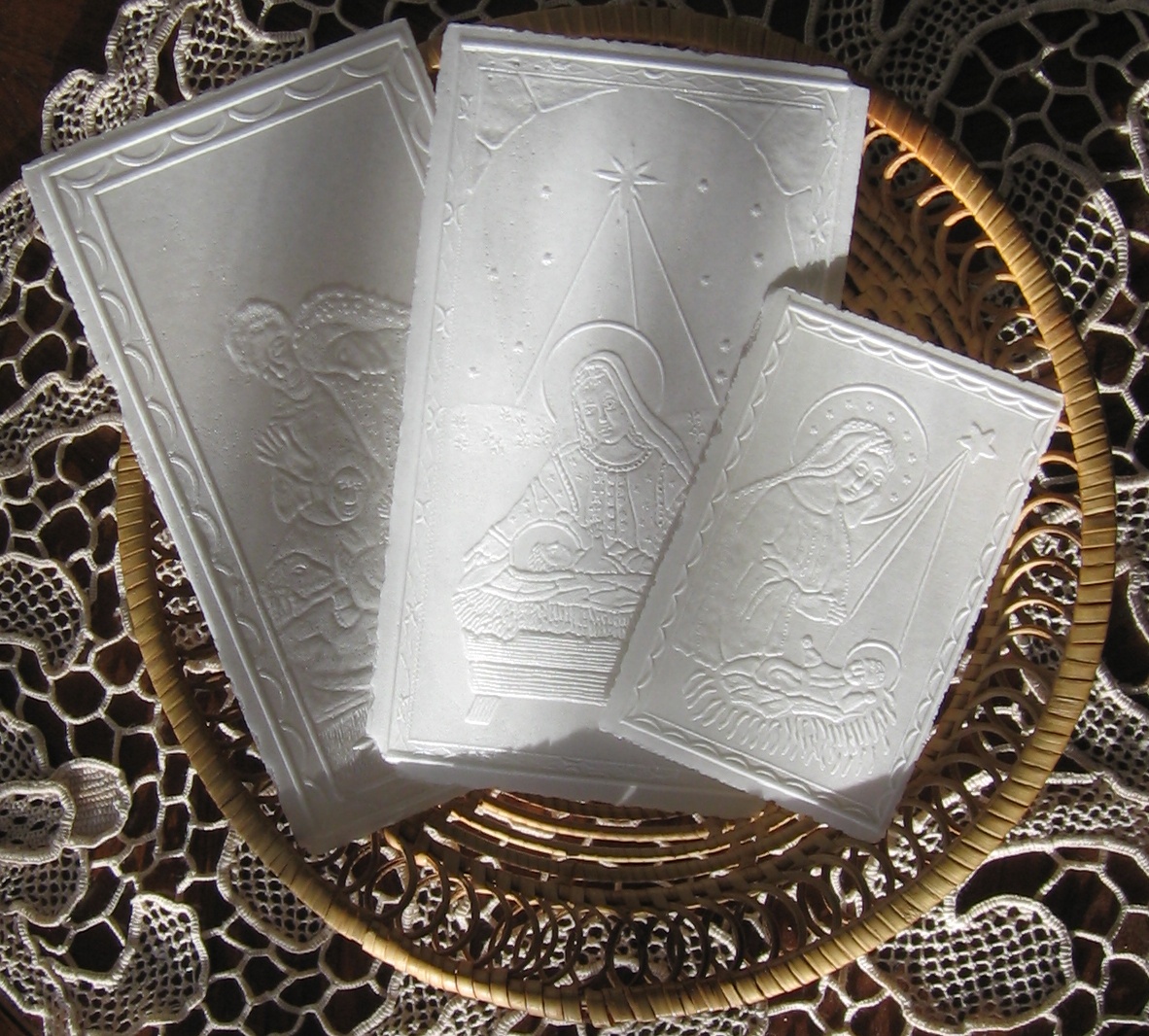 Christmas waferVegan
🇵🇱 Poland and 2 moreThin, embossed wheat wafers shared at Christmas in Poland and Lithuania
Bread
Christmas waferVegan
🇵🇱 Poland and 2 moreThin, embossed wheat wafers shared at Christmas in Poland and Lithuania
Bread
 Kalduny
🇧🇾 Belarus and 3 moreDumplings of soft dough filled with meat, mushrooms, or fruit
Dumpling, Lunch, Dinner
Kalduny
🇧🇾 Belarus and 3 moreDumplings of soft dough filled with meat, mushrooms, or fruit
Dumpling, Lunch, Dinner
 SushkiVegetarianсу́шки
🇷🇺 Russia and 4 moreSmall, crunchy, mildly sweet bread rings from Eastern Europe
Bread, Tea time, Snacks
SushkiVegetarianсу́шки
🇷🇺 Russia and 4 moreSmall, crunchy, mildly sweet bread rings from Eastern Europe
Bread, Tea time, Snacks
 KūčiukaiVegetarian
🇱🇹 LithuaniaLithuanian Christmas Eve poppy seed buns, small and lightly sweet
Sweet or dessert
KūčiukaiVegetarian
🇱🇹 LithuaniaLithuanian Christmas Eve poppy seed buns, small and lightly sweet
Sweet or dessert
Photo credits on this page
The small pictures above come from Wikimedia Commons under free licences. Some are cropped to fit.
- Sushki: Wesha, Public domain, source
- Syrniki: Tatyana Morozyuk, color processing by Off-shell, CC BY-SA 3.0, source
- Pirog: Off-shell, CC BY-SA 3.0, source
- Kutia: Віщун, CC BY-SA 4.0, source
- Kissel: Ural-66, CC0, source
- Christmas wafer: No machine-readable author provided. Julo assumed (based on copyright, Public domain, source
- Kalduny: Хомелка, CC BY-SA 3.0, source
- Angel wings: Marcin Floryan, CC BY 2.5, source
- Kūčiukai: Leia at Lithuanian Wikipedia, Public domain, source