🇵🇭 The food of the Philippines
79 dishes from the Philippines, best known first, across 12 cities and regions.
Filipino cooking brings together native traditions and influences from China, Spain, Mexico, and the United States, shaped by centuries of trade and colonization. Meals center on rice, with a balance of sweet, sour, and salty flavors, and dishes range from simple salted fish to elaborate stews and roasts. Communal eating and adaptability to local ingredients define the cuisine.
- Rice is eaten at almost every meal.
- Adobo keeps well and improves with time.
- Meals are served all at once, not in courses.
- Spoon and fork are the main utensils.
- Lechón is a centerpiece for fiestas.
The cooking of the Philippines
Filipino food reflects a mix of indigenous practices and outside influences. Austronesian roots show in the use of rice, tubers, and seafood, while Chinese traders introduced noodles and spring rolls. Spanish colonization brought tomatoes, peanuts, and new cooking methods, leading to dishes like adobo and paella. Later, American rule added fast food and processed items. Meals are often built around rice, with a focus on balancing sweet, sour, and salty tastes. Spices such as ginger, lemongrass, and tamarind add depth, and local fruits like kalamansi provide acidity. Food is usually served all at once, encouraging sharing and conversation.
Staple foods in the Philippines
Rice is the main staple, eaten at nearly every meal and used in both savory dishes and desserts. Other basics include fish (fresh, dried, or smoked), pork, chicken, and a variety of vegetables like eggplant, squash, and bitter melon. Vinegar, soy sauce, and shrimp paste are common seasonings. Native fruits such as kalamansi and pili nuts, as well as imported crops like tomatoes and peanuts, are widely used. Noodles and bread, introduced by Chinese and Spanish influences, are also part of everyday fare.
From region to region in the Philippines
Different regions have their own specialties shaped by local ingredients and history. The Bicol region is known for spicy dishes with coconut milk, while the Cordilleras use root crops and mountain vegetables. Muslim Filipino communities often feature spicier foods. Ilocano cooking highlights vegetables and fermented fish, while Kapampangan cuisine is famous for its rich, elaborate stews. Spanish and Mexican influences are stronger in Luzon and the Visayas, seen in dishes like mechado and afritada.
At the table in the Philippines
Meals are informal and often shared by family or friends, with all dishes placed on the table at once. Traditionally, people ate with their hands (kamayan), especially during gatherings or outdoor meals. Today, most use a spoon and fork, cutting food with the side of the spoon. Communal feasts, sometimes served on banana leaves, are common during celebrations. The knife is less used at the table, a custom dating to Spanish colonial times.
Festival and religious food in the Philippines
For fiestas and special occasions, families prepare elaborate dishes such as lechón (whole roasted pig), paella, and various stews. Rice-based sweets and delicacies are often made as offerings or treats during important ceremonies. Some dishes, like adobo, are valued for their ability to keep well, making them popular for gatherings and celebrations.
The facts in this overview come from the Wikipedia article "Filipino cuisine", written by its contributors and used under the CC BY-SA 4.0 licence. Thali rewrote the text in its own words, with AI assistance, and compares every page with the article to make sure no passage is copied. It may be reused under the same CC BY-SA 4.0 licence with a link back.
Cities and regions of the Philippines
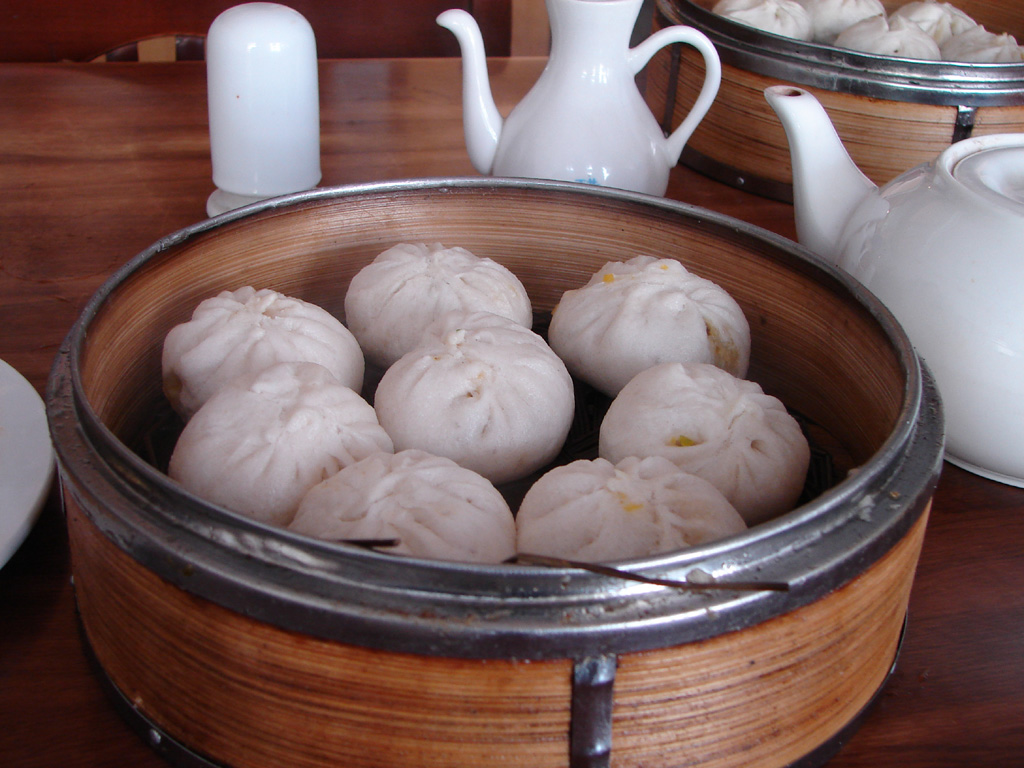 Baozi包子
🇨🇳 China and 5 moreSteamed wheat buns filled with meat or vegetables, common across China and beyond
Main dish, Breakfast, Snacks
Baozi包子
🇨🇳 China and 5 moreSteamed wheat buns filled with meat or vegetables, common across China and beyond
Main dish, Breakfast, Snacks
 Wonton云吞
🇨🇳 China and 5 moreChinese dumplings with a thin wrapper, filled and served in soup or fried
Dumpling, Lunch, Dinner
Wonton云吞
🇨🇳 China and 5 moreChinese dumplings with a thin wrapper, filled and served in soup or fried
Dumpling, Lunch, Dinner
 Zongzi粽子
🇨🇳 China and 5 moreSticky rice parcels with sweet or savoury fillings, wrapped in leaves and steamed or boiled
Main dish, Lunch, Dinner
Zongzi粽子
🇨🇳 China and 5 moreSticky rice parcels with sweet or savoury fillings, wrapped in leaves and steamed or boiled
Main dish, Lunch, Dinner
 Shumai烧卖 / 燒賣
🇨🇳 China and 5 moreChinese dumplings filled with seasoned meat, often served as dim sum
Dumpling, Breakfast, Lunch
Shumai烧卖 / 燒賣
🇨🇳 China and 5 moreChinese dumplings filled with seasoned meat, often served as dim sum
Dumpling, Breakfast, Lunch
Photo credits on this page
The small pictures above come from Wikimedia Commons under free licences. Some are cropped to fit.
- Baozi: J. Samuel Burner, CC BY 2.0, source
- Zongzi: The original uploader was Allentchang at English Wikipedia ., CC BY-SA 3.0, source
- Wonton: Oldie~commonswiki, CC BY-SA 3.0, source
- Shumai: Kent Wang, CC BY-SA 2.0, source