🇪🇸 The food of Spain
99 dishes from Spain, best known first, across 60 cities and regions.
Spanish cooking is shaped by its regional variety and a long history of outside influences, from Roman olive oil and wheat to New World tomatoes and peppers. Olive oil, garlic, and fresh produce are central, while tapas culture and a blend of Mediterranean and Atlantic traditions set Spain apart from its neighbors.
- Spain is the world's largest producer of olive oil.
- Tapas are a central part of Spanish eating culture.
- Paella uses rice and saffron, both introduced by the Moors.
- Lunch is the largest meal, usually eaten after 2 p.m.
- Tomatoes, potatoes, and peppers came from the Americas.
The cooking of Spain
Spanish cuisine is marked by its diversity across regions, drawing from Mediterranean and Atlantic influences. Olive oil is at the heart of most dishes, often forming the base for vegetable sauces called sofritos. Herbs like parsley, oregano, rosemary, and thyme are common, as is garlic. Meals feature a mix of meats such as chicken, pork, lamb, and veal, alongside regular use of fish and seafood. The tradition of tapas—small plates or snacks—reflects a social approach to eating. Spanish cooking has absorbed ingredients and techniques from ancient Romans, Moors, Jews, and the Americas, resulting in a cuisine that values both local produce and global flavors.
Staple foods in Spain
Wheat, grapes, and olives are the historic foundation, providing bread, wine, and olive oil. Rice, introduced and expanded by the Moors, is key in dishes like paella. Potatoes, tomatoes, and peppers from the Americas are now essential. Pork, chicken, lamb, and veal are the main meats, with fish and seafood also important. Legumes and vegetables, such as borage and thistle in Aragon, are widely used.
Breakfast in Spain 16 dishes
Breakfast is light and may be eaten at home or before work. Typical choices include coffee, milk, or hot chocolate, paired with biscuits (especially Marie biscuits), magdalenas (small sponge cakes), toast with oil, tomato, or butter, and churros. Because lunch is late, many people have a mid-morning snack.
Lunch in Spain 49 dishes
Lunch is the main meal, usually starting around 2 p.m. and lasting over an hour. It often has several courses: soup, salad, a meat or fish dish, and dessert like fruit or yogurt. Tapas may be served before or during lunch. At home, meals are simpler, with one or two courses.
Dinner in Spain 45 dishes
Dinner is eaten late, between 8:30 and 11 p.m., and is lighter than lunch. It usually consists of a single course and dessert. The long gap between lunch and dinner means an afternoon snack is common.
Snacks and street food in Spain
Tapas and pinchos are the most recognizable snacks, served in bars and cafes. These can include croquetas, marinated mussels, meatballs, and small sandwiches. Tapas may be complimentary with drinks. Eating olives as a snack is also widespread.
Sweets and drinks in Spain
Spanish sweets include churros for breakfast and desserts like frutas de Aragón (candied fruit in chocolate). Drinks range from coffee and hot chocolate to regional wines, sherry, and brandy. Chocolate was first sweetened with sugar in Spain after its arrival from the Americas.
From region to region in Spain
Each region has its own specialties. Andalusia is known for olive oil, cold soups like gazpacho, and fried fish. Aragon features roast lamb, pork dishes, and unique vegetables like borage. Cured meats and cheeses vary by area. The Mediterranean coast uses more olive oil, while butter is traditional in the northwestern regions like Galicia and Asturias.
At the table in Spain
Meals are social events, often lasting a long time. Lunch is followed by sobremesa, a period of conversation at the table. Businesses may close for a long lunch break, though this is changing. Tapas culture encourages sharing and trying many small dishes. Afternoon snacks (merienda) are common due to the late dinner hour.
Festival and religious food in Spain
Festive foods reflect religious and local traditions. Jewish communities historically prepared special stews like adafina for the Sabbath. Moorish influence brought pastries and preserved dishes for celebrations. Regional specialties often appear during festivals and holidays.
The facts in this overview come from the Wikipedia article "Spanish cuisine", written by its contributors and used under the CC BY-SA 4.0 licence. Thali rewrote the text in its own words, with AI assistance, and compares every page with the article to make sure no passage is copied. It may be reused under the same CC BY-SA 4.0 licence with a link back.
Cities and regions of Spain
 Arròs negreFish or seafood
🇪🇸 Spain and 5 moreRice cooked with squid ink, cuttlefish or squid, and seafood broth
Main dish, Lunch, Dinner
Arròs negreFish or seafood
🇪🇸 Spain and 5 moreRice cooked with squid ink, cuttlefish or squid, and seafood broth
Main dish, Lunch, Dinner
 Tuna potFish or seafood
🇪🇸 Spain and 1 moreBasque and Cantabrian stew of tuna, potatoes, peppers and tomato
Stew or curry, Lunch, Dinner
Tuna potFish or seafood
🇪🇸 Spain and 1 moreBasque and Cantabrian stew of tuna, potatoes, peppers and tomato
Stew or curry, Lunch, Dinner
 Polbo á feiraFish or seafood
🇪🇸 SpainOctopus boiled and dressed with olive oil, salt, and paprika, served hot
Main dish, Lunch, Dinner
Polbo á feiraFish or seafood
🇪🇸 SpainOctopus boiled and dressed with olive oil, salt, and paprika, served hot
Main dish, Lunch, Dinner
 Squid (as food)Fish or seafood
🇯🇵 Japan and 5 moreSquid prepared and eaten in many ways around the world
Main dish, Lunch, Dinner
Squid (as food)Fish or seafood
🇯🇵 Japan and 5 moreSquid prepared and eaten in many ways around the world
Main dish, Lunch, Dinner
 Squid sandwichFish or seafoodbocadillo de calamares
🇪🇸 SpainFried squid rings in a crusty bread roll, a bar favorite in Madrid and beyond
Sandwich or wrap, Lunch, Snacks
Squid sandwichFish or seafoodbocadillo de calamares
🇪🇸 SpainFried squid rings in a crusty bread roll, a bar favorite in Madrid and beyond
Sandwich or wrap, Lunch, Snacks
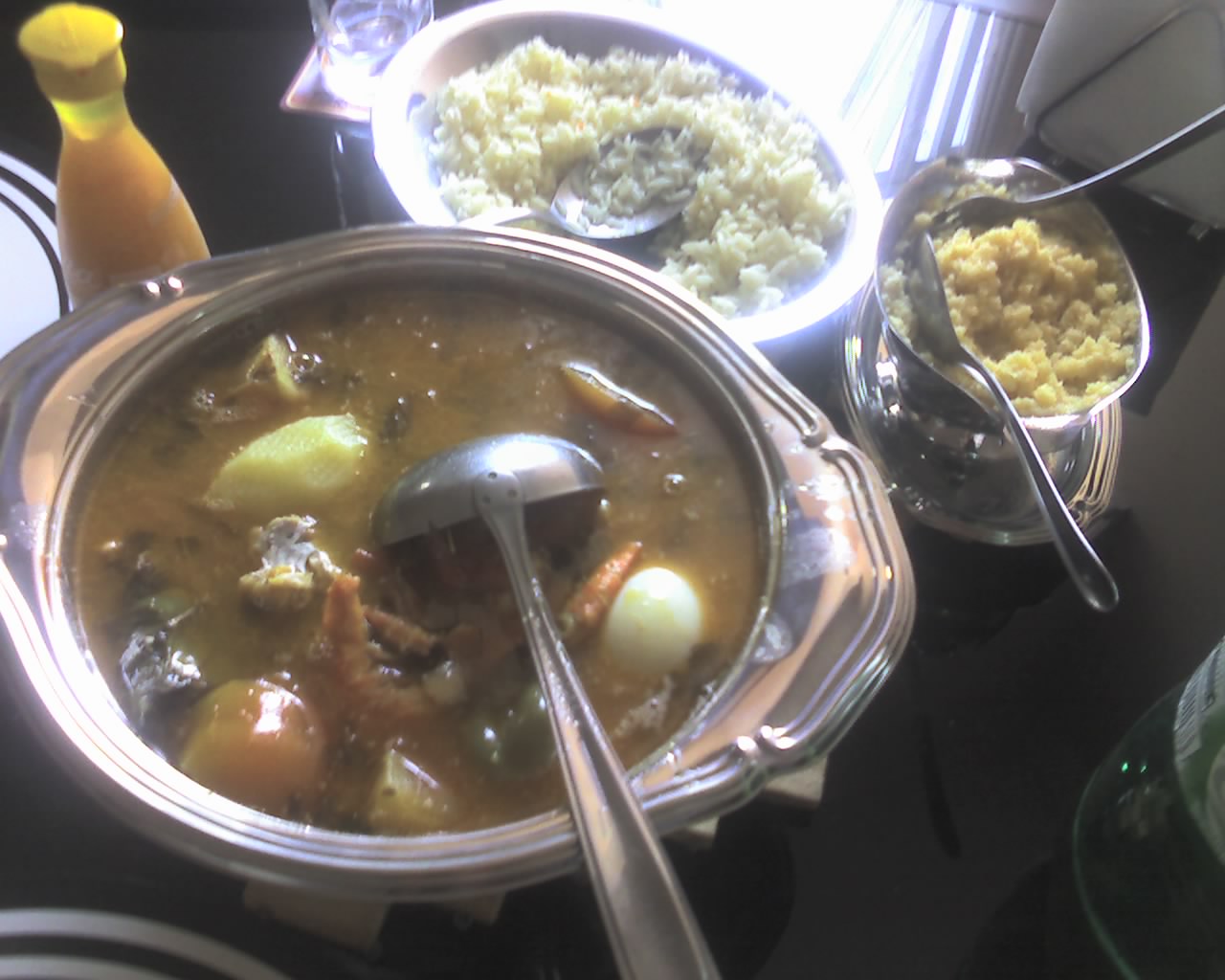 CaldeiradaFish or seafood
🇵🇹 Portugal and 2 morePortuguese and Galician fish stew with potatoes and mixed seafood
Stew or curry, Lunch, Dinner
CaldeiradaFish or seafood
🇵🇹 Portugal and 2 morePortuguese and Galician fish stew with potatoes and mixed seafood
Stew or curry, Lunch, Dinner
 FideuàFish or seafood
🇪🇸 SpainSeafood and noodle dish from the Valencian coast, cooked in a wide shallow pan
Main dish, Lunch, Dinner
FideuàFish or seafood
🇪🇸 SpainSeafood and noodle dish from the Valencian coast, cooked in a wide shallow pan
Main dish, Lunch, Dinner
 EsqueixadaFish or seafood
🇪🇸 SpainCatalan salad of hand-torn salt cod, tomato, and vegetables
Salad or side, Lunch, Dinner
EsqueixadaFish or seafood
🇪🇸 SpainCatalan salad of hand-torn salt cod, tomato, and vegetables
Salad or side, Lunch, Dinner
 Bacalao al pil pilFish or seafood
🇪🇸 SpainSalted cod gently cooked in olive oil with garlic and a silky emulsion sauce
Main dish, Lunch, Dinner
Bacalao al pil pilFish or seafood
🇪🇸 SpainSalted cod gently cooked in olive oil with garlic and a silky emulsion sauce
Main dish, Lunch, Dinner
Photo credits on this page
The small pictures above come from Wikimedia Commons under free licences. Some are cropped to fit.
- Esqueixada: diluvi, CC BY 2.0, source
- Arròs negre: Ralf Roletschek, GFDL 1.2, source
- Polbo á feira: Tamorlan, CC BY-SA 3.0, source
- Squid sandwich: Tamorlan, CC BY 3.0, source
- Caldeirada: (WT-en) Mimi at English Wikivoyage, Public domain, source
- Fideuà: Jorge Díaz, CC BY-SA 2.0, source
- Bacalao al pil pil: BocaDorada, CC BY-SA 2.0, source
- Tuna pot: Núria Pueyo, CC BY-SA 2.5, source
- Squid (as food): Arne Müseler, CC BY-SA 3.0 de, source