
Akhni
In its own language: আখনী
Spiced rice cooked with meat, vegetables and yoghurt from eastern Bangladesh
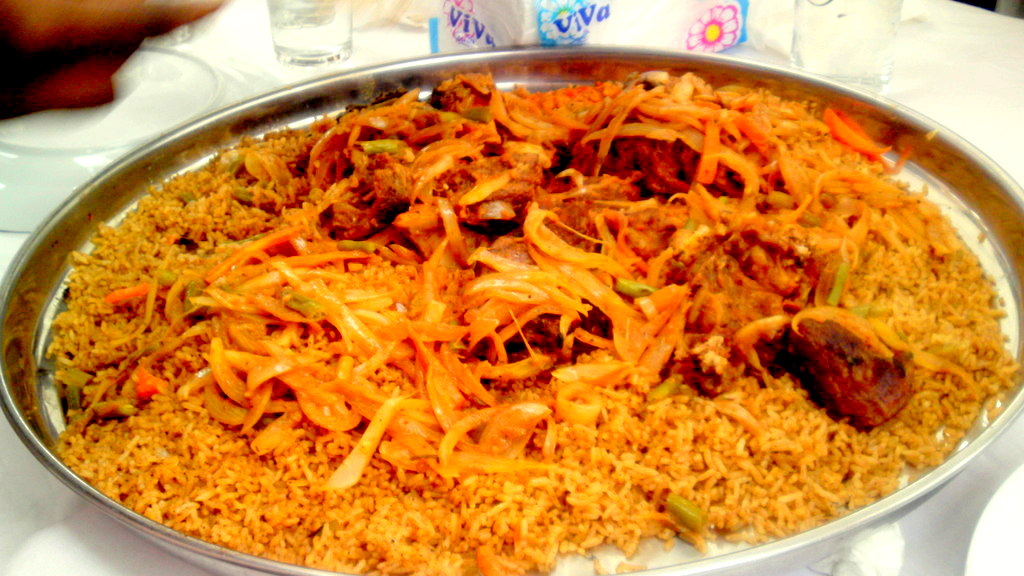
Akhni is a mixed rice dish from the Muslim communities of Chittagong and Sylhet in eastern Bangladesh. It combines rice, meat, spices, vegetables and sour yoghurt, and is often eaten in restaurants and at home. Akhni is especially popular during Ramadan for Iftar meals and is a weekly staple in Chittagong.
- Akhni is a staple in Chittagong, eaten weekly by many locals.
- It is especially popular during Ramadan for Iftar in Sylhet.
- The dish mixes rice, meat, vegetables, spices and sour yoghurt.
- Its name comes from the Arabic word for stew, 'yakhni'.
What is Akhni?
Akhni is a rice dish where grains are cooked together with meat, spices and vegetables. The meat can be chicken, beef, goat or lamb, and the vegetables might include carrots, potatoes and peas. Sour yoghurt (dahi) and ghee (clarified butter) are added for richness and tang. Spices such as ginger, garlic, garam masala, cumin, tejpata (bay leaf), onion and chili pepper give it a deep aroma and warmth. Sometimes, nuts or eggs are included. The result is a hearty, fragrant meal with tender meat and colourful vegetables mixed through the rice.
Where does Akhni come from?
Akhni comes from the Muslim communities of Chittagong and Sylhet in eastern Bangladesh. The name is linked to the Arabic word 'yakhni', meaning stew. It is seen as a local variation of biryani or polao, both of which are also rice dishes cooked with spices and meat. Over time, Akhni has become a regular part of restaurant menus and home cooking in Bangladesh, especially in its regions of origin.
How is Akhni made?
To make Akhni, rice is cooked together with meat, vegetables and a mix of spices. Ghee is used for frying the spices and onions, which form the base. Meat is browned and then simmered with the spices, vegetables and sometimes fruits like plums. Sour yoghurt is stirred in to add tang and help tenderise the meat. The rice is added and cooked until everything is done and the flavours are absorbed. Some cooks add nuts or eggs for extra richness.
How and when is Akhni eaten?
Akhni is eaten as a main meal, often for lunch or dinner. In Chittagong, it is a weekly staple, commonly found in homes and restaurants. During Ramadan, it is a popular choice for Iftar, the evening meal that breaks the daily fast, especially in Sylhet. It is served on its own or with simple sides. The dish brings people together for both everyday and festive meals.
Kinds of Akhni
Akhni can be made with different meats, such as chicken, beef, goat or lamb, depending on taste and availability. The mix of vegetables and fruits can change, with carrots, potatoes, peas and plums being common. Some versions include nuts or eggs. The style and spice level may vary between Chittagong and Sylhet, but the essentials of rice, meat and spiced yoghurt remain the same.
What Akhni means
Akhni holds a special place in the food culture of eastern Bangladesh, especially among Muslims. It is tied to weekly traditions in Chittagong and is a highlight of Ramadan Iftar meals in Sylhet. The dish is also popular among the Bangladeshi diaspora, connecting people to their regional roots. Its link to biryani and polao shows the shared rice dish heritage of the region.
When Akhni is on the table
Questions people ask about Akhni
What is Akhni made of?
Akhni is made from rice, meat (such as chicken, beef, goat or lamb), vegetables like carrots and potatoes, spices, ghee, sour yoghurt, and sometimes nuts or eggs.
Where does Akhni come from?
Akhni comes from the Muslim communities of Chittagong and Sylhet in eastern Bangladesh.
When is Akhni usually eaten?
Akhni is eaten as a main meal for lunch or dinner. It is a weekly staple in Chittagong and is popular for Iftar during Ramadan in Sylhet.
Is Akhni similar to biryani?
Akhni is considered a variation of biryani or polao, as all are spiced rice dishes cooked with meat and vegetables.
What makes Akhni special during Ramadan?
During Ramadan, Akhni is a popular dish for Iftar, the meal that breaks the daily fast, especially in Sylhet.
Good reading and sources
The facts on this page come from the Wikipedia article "Akhni", written by its contributors and used under the CC BY-SA 4.0 licence, and from its Wikidata record (CC0). Thali rewrote the text in its own words, with AI assistance, and compares every page with the article to make sure no passage is copied. It may be reused under the same CC BY-SA 4.0 licence with a link back.
It may contain mistakes, and it is not dietary or allergy advice: recipes differ from cook to cook. If something is wrong, tell us. Last refreshed 2026-10-03.
More from Bangladesh
All the food of Bangladesh Biryani
🇮🇳 India and 5 moreRice and spiced meat or vegetables layered and cooked together
Main dish, Lunch, Dinner
Biryani
🇮🇳 India and 5 moreRice and spiced meat or vegetables layered and cooked together
Main dish, Lunch, Dinner
 Kala bhunaMeat
🇧🇩 BangladeshA dark, richly spiced beef curry from Chittagong, Bangladesh
Main dish, Lunch, Dinner
Kala bhunaMeat
🇧🇩 BangladeshA dark, richly spiced beef curry from Chittagong, Bangladesh
Main dish, Lunch, Dinner
 MezbanMeatমেজবান
🇧🇩 BangladeshA festive beef feast from Chittagong, served with rice and rich side dishes
Main dish
MezbanMeatমেজবান
🇧🇩 BangladeshA festive beef feast from Chittagong, served with rice and rich side dishes
Main dish
 Chicken tikka masalaMeat
🇬🇧 United Kingdom and 4 moreRoasted marinated chicken in a creamy, spiced tomato-based sauce
Main dish, Lunch, Dinner
Chicken tikka masalaMeat
🇬🇧 United Kingdom and 4 moreRoasted marinated chicken in a creamy, spiced tomato-based sauce
Main dish, Lunch, Dinner
Its cousins elsewhere
All main dishes Cabbage roll
🇺🇦 Ukraine and 5 moreCooked cabbage leaves wrapped around seasoned fillings, simmered or baked
Main dish, Lunch, Dinner
Blood sausageMeat
🇫🇷 France and 5 moreA sausage made with animal blood, fillers and spices, cooked or dried until firm
Main dish, Lunch, Dinner
Cabbage roll
🇺🇦 Ukraine and 5 moreCooked cabbage leaves wrapped around seasoned fillings, simmered or baked
Main dish, Lunch, Dinner
Blood sausageMeat
🇫🇷 France and 5 moreA sausage made with animal blood, fillers and spices, cooked or dried until firm
Main dish, Lunch, Dinner
 Riz grasMeat
🇧🇫 Burkina Faso and 4 moreWest African rice cooked with meat and vegetables, served hot
Main dish, Lunch, Dinner
Wat
🇪🇹 Ethiopia and 1 moreEthiopian and Eritrean stew thickened with onions and spiced butter
Stew or curry, Lunch, Dinner
Riz grasMeat
🇧🇫 Burkina Faso and 4 moreWest African rice cooked with meat and vegetables, served hot
Main dish, Lunch, Dinner
Wat
🇪🇹 Ethiopia and 1 moreEthiopian and Eritrean stew thickened with onions and spiced butter
Stew or curry, Lunch, Dinner