
Al pastor
Spit-roasted pork tacos with pineapple, onion and cilantro from central Mexico
Al pastor is a Mexican dish of pork cooked on a vertical spit, sliced thin and served in corn tortillas with pineapple, onion, and cilantro. It began in Puebla, inspired by Lebanese shawarma, and is now a favorite street food across Mexico and in the United States. The pork is marinated in a chili and spice mixture before roasting.
- Pork is cooked on a vertical spit called a trompo
- Inspired by Lebanese shawarma brought to Mexico
- Pineapple is a signature topping
- Most common in Puebla and Mexico City
- Known as taco de trompo in northern Mexico
What is Al pastor?
Al pastor is a taco filling made from pork that has been marinated in a blend of dried chilies, spices, pineapple, and often achiote paste. The meat is stacked on a vertical spit called a trompo, cooked slowly as it turns beside a flame. As the outer layer browns, thin slices are shaved off and placed into small corn tortillas. The tacos are topped with chopped onion, cilantro, and pieces of pineapple. The result is a combination of savory, spicy, and sweet flavors, with the pork tender and slightly crisp at the edges.
Where does Al pastor come from?
Al pastor traces its roots to Puebla, Mexico, where Lebanese immigrants brought the technique of spit-roasting meat, known as shawarma. Over time, local cooks adapted the method, switching from lamb to pork and using Mexican marinades. By the 1960s, this style of taco had become popular in Mexico City and spread widely. The name 'al pastor' refers to an older countryside tradition of roasting meat over an open fire, but the modern dish is closely linked to the influence of Middle Eastern cooking in central Mexico.
How is Al pastor made?
To prepare al pastor, pork is first marinated in a mixture that includes dried chilies, spices such as cumin and clove, pineapple, and achiote paste for color and flavor. The marinated meat is layered onto a trompo, a vertical spit, and cooked slowly near a gas or charcoal flame. As the outside cooks and caramelizes, the meat is sliced off in thin pieces. These are served in corn tortillas, with toppings of onion, cilantro, and pineapple. A squeeze of lime and salsa are often added at the table.


How and when is Al pastor eaten?
Al pastor tacos are a common sight at Mexican street stalls and taquerías, especially in the evening. People usually eat them as a quick meal or snack, often standing at a counter. The tacos are served warm, typically with a small wedge of lime and a choice of salsas. They can be enjoyed on their own or as part of a larger meal. The meat is also used in other dishes like gringas (with cheese and flour tortillas), alambres, and tortas.
Kinds of Al pastor
In northern and coastal Mexico, the same style of taco is sometimes called taco de trompo or taco de adobada. Another related dish is tacos árabes, which uses spit-roasted meat but serves it in a pita-like bread rather than a tortilla. Gringas are a version with cheese and flour tortillas. The basic method of marinating and roasting the meat remains, but toppings and bread can vary by region.
What Al pastor means
Al pastor has become a symbol of Mexican street food, especially in central regions like Puebla and Mexico City. Its roots in Lebanese immigrant cooking show the blending of cultures in Mexican cuisine. The dish is now popular in Mexican communities in the United States, especially in cities with large Mexican populations. Al pastor is enjoyed as an everyday food rather than being tied to specific holidays or religious customs.
Questions people ask about Al pastor
What is al pastor made of?
Al pastor is made from pork marinated with dried chilies, spices, pineapple, and sometimes achiote paste. The meat is cooked on a vertical spit and served in corn tortillas with onion, cilantro, and pineapple.
Where did al pastor originate?
Al pastor originated in Puebla, Mexico, where Lebanese immigrants introduced the spit-roasting technique. The dish evolved locally, replacing lamb with pork and using Mexican marinades.
How is al pastor cooked?
The marinated pork is stacked on a vertical rotisserie called a trompo and slowly roasted beside a flame. As the meat browns, it is sliced thin and served in tacos.
What toppings are used on al pastor tacos?
Al pastor tacos are usually topped with chopped onion, cilantro, and small pieces of pineapple. Lime wedges and salsa are often served on the side.
Is al pastor eaten for special occasions?
Al pastor is mainly an everyday food, popular at street stalls and taquerías, and is not tied to festivals or religious events.
Good reading and sources
- These Massive Tacos Árabes in Boyle Heights Pack a PunchEater, Article
- Sharwarma: Taco al pastor's culinary ancestorBBC, Article
The facts on this page come from the Wikipedia article "Al pastor", written by its contributors and used under the CC BY-SA 4.0 licence, and from its Wikidata record (CC0). Thali rewrote the text in its own words, with AI assistance, and compares every page with the article to make sure no passage is copied. It may be reused under the same CC BY-SA 4.0 licence with a link back.
It may contain mistakes, and it is not dietary or allergy advice: recipes differ from cook to cook. If something is wrong, tell us. Last refreshed 2026-10-03.
More from Mexico
All the food of Mexico Taco
🇲🇽 Mexico and 1 moreA folded tortilla filled with meat, beans or vegetables, eaten by hand
Street food, Lunch, Dinner
Blood sausageMeat
🇫🇷 France and 5 moreA sausage made with animal blood, fillers and spices, cooked or dried until firm
Main dish, Lunch, Dinner
Taco
🇲🇽 Mexico and 1 moreA folded tortilla filled with meat, beans or vegetables, eaten by hand
Street food, Lunch, Dinner
Blood sausageMeat
🇫🇷 France and 5 moreA sausage made with animal blood, fillers and spices, cooked or dried until firm
Main dish, Lunch, Dinner
 MolleteVegetarian
🇲🇽 Mexico and 6 moreOpen-faced Mexican sandwich with refried beans and melted cheese
Bread, Breakfast, Snacks
MolleteVegetarian
🇲🇽 Mexico and 6 moreOpen-faced Mexican sandwich with refried beans and melted cheese
Bread, Breakfast, Snacks
 BarbacoaMeat
🇲🇽 Mexico and 3 moreMeat slow-cooked in a pit lined with agave or banana leaves
Main dish, Lunch, Dinner
BarbacoaMeat
🇲🇽 Mexico and 3 moreMeat slow-cooked in a pit lined with agave or banana leaves
Main dish, Lunch, Dinner
Its cousins elsewhere
All main dishes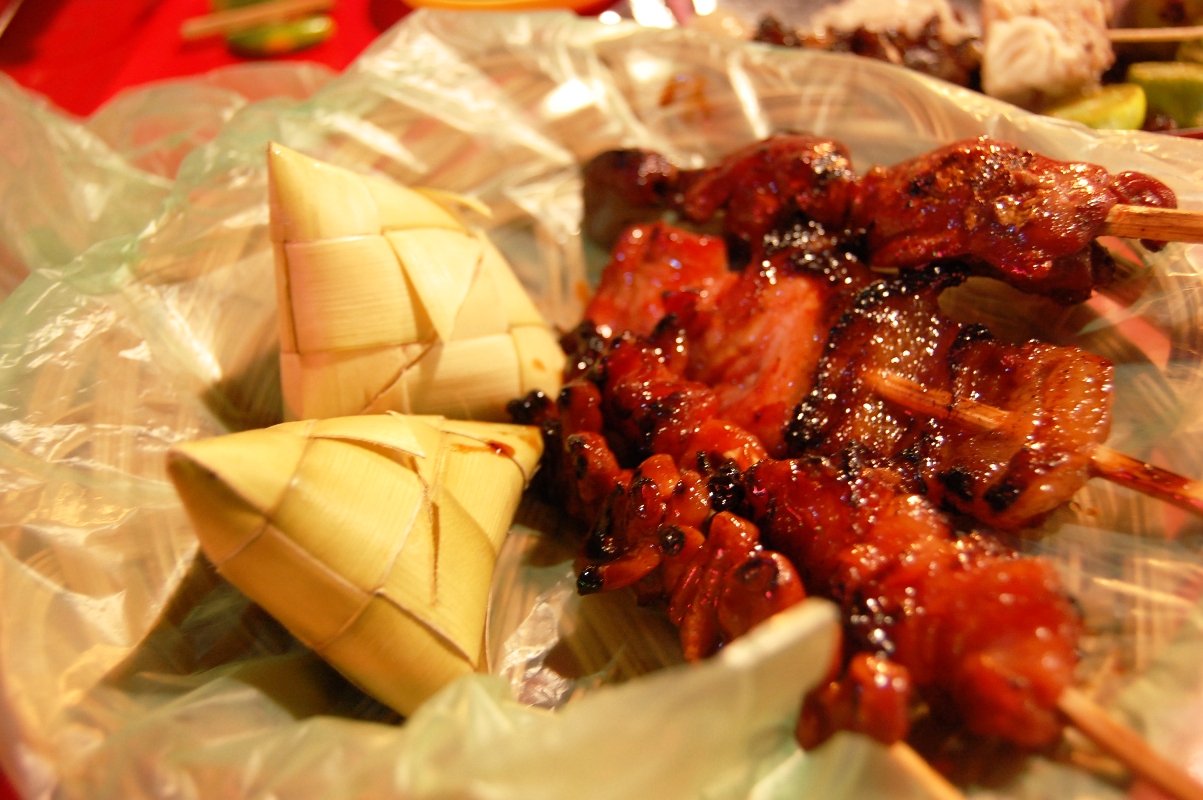 Inihaw
🇵🇭 PhilippinesGrilled meats and seafood, often on skewers, from the Philippines
Main dish, Lunch, Dinner
Inihaw
🇵🇭 PhilippinesGrilled meats and seafood, often on skewers, from the Philippines
Main dish, Lunch, Dinner
 BigosMeat
🇵🇱 Poland and 5 morePolish stew of mixed meats, sauerkraut and cabbage, simmered with spices
Stew or curry, Breakfast, Dinner
BigosMeat
🇵🇱 Poland and 5 morePolish stew of mixed meats, sauerkraut and cabbage, simmered with spices
Stew or curry, Breakfast, Dinner
 SouvlakiMeatσουβλάκι
🇬🇷 Greece and 1 moreGrilled meat skewers, often served in pita with salad and sauce
Main dish, Lunch, Dinner
SouvlakiMeatσουβλάκι
🇬🇷 Greece and 1 moreGrilled meat skewers, often served in pita with salad and sauce
Main dish, Lunch, Dinner
 VindalooMeat
🇮🇳 India and 2 moreA spicy curry of meat, vinegar and chili from Goa, now found worldwide
Main dish, Lunch, Dinner
VindalooMeat
🇮🇳 India and 2 moreA spicy curry of meat, vinegar and chili from Goa, now found worldwide
Main dish, Lunch, Dinner