Älpäl
Stretched sugar candy from Sri Lanka sold in crisp sticks
This old-fashioned sweet from Sri Lanka is crafted from boiled sugar or jaggery worked into chewy, taffy-like sticks. Historically sold by street hawkers, it is enjoyed as a sugary confection comparable to butterscotch or rock candy.
- Derived from the Portuguese word alfeloa, referring to pulled and kneaded sugar candy
- Documented in 1886 by Ceylon Crown Counsel Louis Nell as an everyday street sweet
- Comes in two distinct textures: a brittle rock sugar style and a smooth butterscotch finish
- Historically sold in urban streets first by Chinese hawkers and later by Tamil vendors
What is Älpäl?
Älpäl is a firm, pulled sweetmeat deeply rooted in Sri Lankan confectionery. Prepared mainly with boiled sugar or unrefined palm jaggery combined with water, it shares similarities with chewy taffy or stretched jaggery candy. The confection is traditionally formed into long, brittle lengths. Depending on how it is worked, the finished pieces can resemble English-style rock sugar with a crystalline crunch, or adopt the smooth gloss and snap of hard butterscotch. The texture is sweet and dense, setting firm after being stretched and cooled. Because it is made without dairy or animal fats, it presents a purely sugary profile, occasionally scented during the boiling stage.
Where does Älpäl come from?
The confection links back to European colonial contact on the island. Linguists identify the name älpäl as a Sinhalese borrowing from the Portuguese terms alfeloa or alfelos, which described sweets boiled down from sugar syrup and pulled until firm. In 1886, Louis Nell, serving as Crown Counsel in colonial Ceylon, documented the word among Portuguese terms that entered local everyday speech. Nell recorded that early street sales were handled by Chinese vendors, after which Tamil traders took over hawking the pulled candy in public streets.
How is Älpäl made?
The production of älpäl relies on standard candy-making methods derived from historical sugar-pulling practices. Sugar or jaggery is dissolved in water and boiled steadily until the syrup thickens to the hard-ball stage. Some traditional preparations infuse the hot syrup with scented water. Once boiled sufficiently, the hot molten mass is transferred onto a cool marble surface to be worked and kneaded. Candymakers then pull and stretch the warm mixture repeatedly to aerate and align the sugars before stretching it into elongated rods. As it hardens, the lengths are cracked or divided into manageable pieces.
How and when is Älpäl eaten?
Älpäl has traditionally been consumed as an informal snack purchased directly from mobile vendors. Hawkers carried the candy through public spaces and thoroughfares, selling it by the piece to passersby. Because it stays solid and does not easily perish at room temperature, people enjoyed the firm sticks as an everyday handheld treat. The long pieces are typically bitten directly or snapped into fragments, eaten on their own whenever a quick sugary bite is wanted during the day.
Kinds of Älpäl
Historical accounts distinguish between two clear textures for the candy. One variety is finished like rock candy, retaining an opaque, sugary hardness that shatters when bitten. The alternative form is glossy and smooth, behaving more like British butterscotch. Confectioners can also alter the foundation by choosing between standard cane sugar and regional jaggery, which imparts a darker colour and deeper molasses undertone to the pulled sticks.
What Älpäl means
The sweet stands as a living linguistic and culinary relic of cultural mixing in Sri Lanka. Tracing back to Portuguese traders, the candy was absorbed into local Sinhalese vocabulary and popularised across ethnic communities. Its commercial life across the nineteenth century reflected the cosmopolitan character of the island, moving from Chinese street sellers to Tamil traders who supplied everyday sweet-lovers in bustling town centres.
Questions people ask about Älpäl
What is älpäl made of?
Älpäl is made primarily from sugar or jaggery simmered with water. Historical Portuguese recipes connected to the treat also included scented water, with the sugar syrup boiled until thick, poured onto marble, kneaded, and repeatedly stretched into firm sticks.
Where does älpäl come from?
Älpäl originates in Sri Lanka, where it developed from Portuguese sweets called alfeloa or alfelos during the colonial period. It was integrated into Sinhalese vocabulary and sold across the island by Chinese and Tamil street merchants.
What does älpäl taste and feel like?
Älpäl tastes intensely sweet, carrying either the simple sweetness of refined sugar or the earthy notes of jaggery. In texture, it resembles pulled taffy or butterscotch, forming crisp, elongated sticks that can be brittle like rock candy.
Good reading and sources
The facts on this page come from the Wikipedia article "Alpal", written by its contributors and used under the CC BY-SA 4.0 licence, and from its Wikidata record (CC0). EveryThali rewrote the text in its own words, with AI assistance, and compares every page with the article to make sure no passage is copied. It may be reused under the same CC BY-SA 4.0 licence with a link back.
It may contain mistakes, and it is not dietary or allergy advice: recipes differ from cook to cook. If something is wrong, tell us. Last refreshed 2026-10-04.
More from Sri Lanka
All the food of Sri Lanka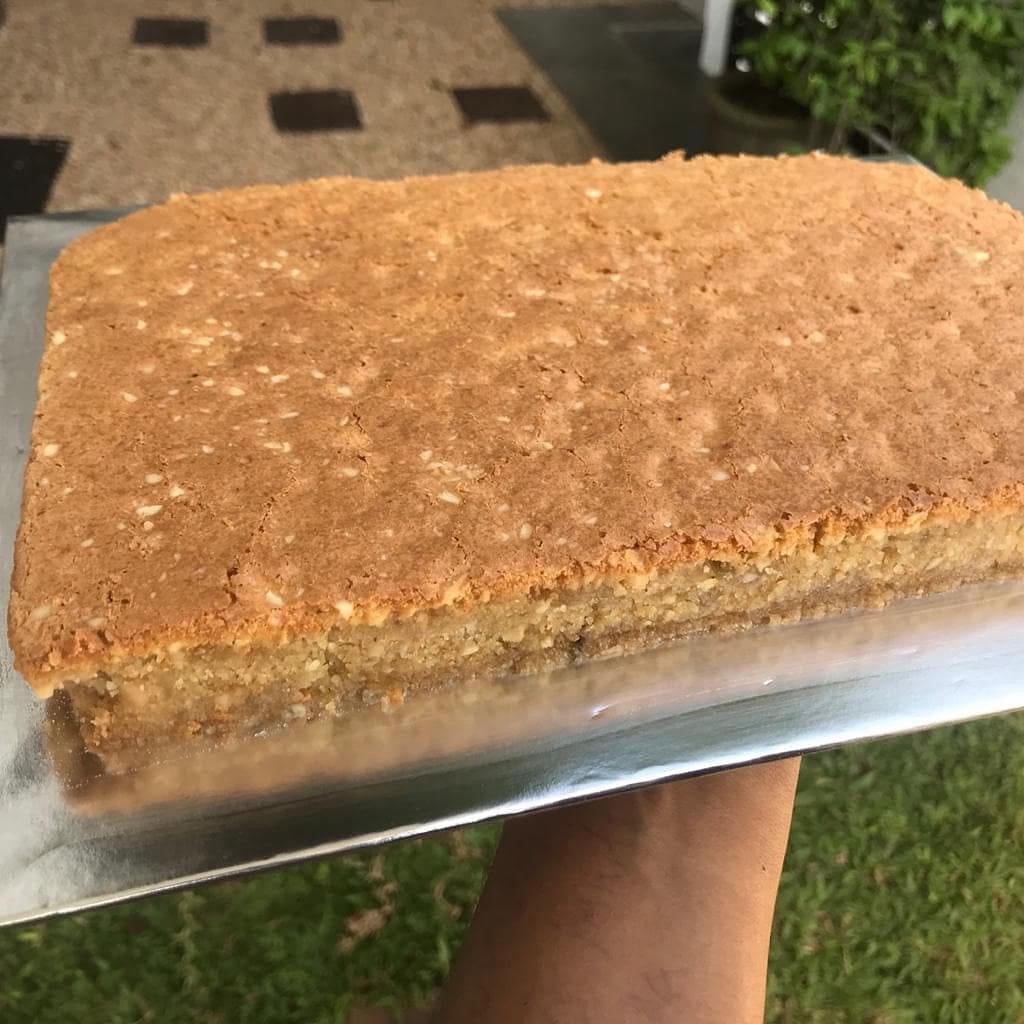 Love cakeVegetarian
🇱🇰 Sri LankaSri Lankan semolina cake with cashews, pumpkin preserve, and aromatic spices
Sweet or dessert
Love cakeVegetarian
🇱🇰 Sri LankaSri Lankan semolina cake with cashews, pumpkin preserve, and aromatic spices
Sweet or dessert
 Pakoraपकोड़ा
🇮🇳 India and 5 moreVegetables or other fillings coated in spiced gram flour batter and deep-fried
Street food, Snacks, Tea time
Pakoraपकोड़ा
🇮🇳 India and 5 moreVegetables or other fillings coated in spiced gram flour batter and deep-fried
Street food, Snacks, Tea time
Its cousins elsewhere
All sweets and desserts Hot chocolate
🇲🇽 Mexico and 5 moreA warm drink made from chocolate or cocoa, milk or water, and sugar
Drink, Breakfast, Snacks
Hot chocolate
🇲🇽 Mexico and 5 moreA warm drink made from chocolate or cocoa, milk or water, and sugar
Drink, Breakfast, Snacks
 SimaVegan
🇫🇮 FinlandFinnish sparkling lemon drink, lightly fermented and sweet
Drink, Snacks
SimaVegan
🇫🇮 FinlandFinnish sparkling lemon drink, lightly fermented and sweet
Drink, Snacks
 BriocheVegetarianune brioche
🇫🇷 FranceFrench bread made with eggs and butter, often shaped in rounds or loaves
Bread, Breakfast, Snacks
BriocheVegetarianune brioche
🇫🇷 FranceFrench bread made with eggs and butter, often shaped in rounds or loaves
Bread, Breakfast, Snacks
 Apple sauceVegan
🇺🇸 United States and 5 moreSmooth cooked apples, sometimes sweetened or spiced, eaten as a side or dessert
Sauce, pickle or ferment, Lunch, Dinner
Apple sauceVegan
🇺🇸 United States and 5 moreSmooth cooked apples, sometimes sweetened or spiced, eaten as a side or dessert
Sauce, pickle or ferment, Lunch, Dinner