
Sima
Finnish sparkling lemon drink, lightly fermented and sweet
Sima is a Finnish sparkling drink made by fermenting water, sugar, and lemon with yeast. Traditionally enjoyed during the Vappu festival, it is mildly alcoholic, sweet, and often served with local pastries. Modern sima uses sugar instead of honey and is usually suitable for children due to its low alcohol content.
- Sima is a sparkling Finnish drink made with lemon and sugar
- It is traditionally served at the Vappu festival in Finland
- Raisins in the bottle show when sima is ready to drink
- Modern sima is low in alcohol and suitable for children
- Homemade sima is cloudy, while commercial sima is clear
What is Sima?
Sima is a Finnish drink that sparkles from natural fermentation. It is made by mixing water, sugar (often brown and white), lemon, and yeast. Raisins are added to each bottle, and sometimes honey or hops are used for flavor. The drink is cloudy, sweet, and lightly alcoholic, with a fresh lemon scent. It is usually served cold and is enjoyed as a refreshing beverage, especially in spring.
Where does Sima come from?
The roots of sima go back to mead, which came to Finland from Lübeck and Riga in the 1500s. The modern, low-alcohol version developed in the 1700s as a summer refreshment and appears in old cookbooks. In the 1900s, sima became linked to the Finnish labour movement and the Vappu (Walpurgis Night) festival. The name 'sima' was once a word for honey, and it appears in Finnish epic poetry.
How is Sima made?
To make sima, water is mixed with lemon and sugars, boiled, and cooled. Yeast is added to start fermentation, and the mixture stands overnight. It is then bottled, with a few raisins dropped into each bottle. As the drink ferments, the raisins rise to the top, showing it is ready. Sima is usually ready in three to seven days and is served chilled. Traditional sima is not filtered, so it stays cloudy.

How and when is Sima eaten?
Sima is most often enjoyed during the Vappu festival in Finland, served cold alongside pastries like munkki (a donut), tippaleipä (a funnel cake), or rosetti (a rosette-shaped sweet). It is suitable for both children and adults due to its low alcohol content. People drink it as a treat or snack, especially in spring and early summer.
Kinds of Sima
Older recipes for sima used honey as the main sweetener, while modern versions rely on brown and white sugars or syrup. Some recipes add hops for extra flavor. Commercial sima is filtered, clear, and has less than 1% alcohol, with no raisins. Homemade sima is cloudier and may become stronger if kept too long.
What Sima means
Sima is a symbol of Finnish spring and the Vappu festival, marking the start of warmer weather and celebrations. It is tied to Finnish traditions and is a familiar part of the holiday, often enjoyed with special pastries. The drink's history connects it to both folk customs and national celebrations.
Questions people ask about Sima
What is sima made of?
Sima is made from water, sugar (often brown and white), lemon, yeast, and raisins. Sometimes honey or hops are also used for flavor.
Where does sima come from?
Sima comes from Finland and has roots in mead brought from Lübeck and Riga in the 1500s. The modern, low-alcohol version developed in the 1700s.
Is sima alcoholic?
Sima is lightly fermented and usually has a very low alcohol content. It is suitable for children, and commercial versions have less than 1% alcohol.
When is sima usually drunk?
Sima is most often enjoyed during the Finnish Vappu festival in spring, served as a festive drink with pastries.
How do you know when sima is ready to drink?
Raisins are added to each bottle during bottling. When they rise to the top, the sima is ready to drink.
Good reading and sources
The facts on this page come from the Wikipedia article "Sima (mead)", written by its contributors and used under the CC BY-SA 4.0 licence, and from its Wikidata record (CC0). Thali rewrote the text in its own words, with AI assistance, and compares every page with the article to make sure no passage is copied. It may be reused under the same CC BY-SA 4.0 licence with a link back.
It may contain mistakes, and it is not dietary or allergy advice: recipes differ from cook to cook. If something is wrong, tell us. Last refreshed 2026-10-03.
More from Finland
All the food of Finland Cinnamon rollVegetarian
🇸🇪 Sweden and 4 moreA sweet rolled bun with cinnamon and sugar, baked and often topped with icing
Sweet or dessert, Breakfast, Tea time
Cinnamon rollVegetarian
🇸🇪 Sweden and 4 moreA sweet rolled bun with cinnamon and sugar, baked and often topped with icing
Sweet or dessert, Breakfast, Tea time
 KamaVegetarianталқан
🇪🇪 Estonia and 5 moreRoasted grain and legume flour mixed with milk or buttermilk
Main dish, Breakfast, Snacks
KamaVegetarianталқан
🇪🇪 Estonia and 5 moreRoasted grain and legume flour mixed with milk or buttermilk
Main dish, Breakfast, Snacks
 BerlinerVegetarian
🇩🇪 Germany and 5 moreJam-filled German doughnut without a central hole, dusted with sugar or glazed
Sweet or dessert, Snacks, Tea time
BerlinerVegetarian
🇩🇪 Germany and 5 moreJam-filled German doughnut without a central hole, dusted with sugar or glazed
Sweet or dessert, Snacks, Tea time
Its cousins elsewhere
All drinks SatoVeganสาโท
🇹🇭 ThailandFermented rice drink from northeastern Thailand, often shared from a communal bowl or jar
Drink
SatoVeganสาโท
🇹🇭 ThailandFermented rice drink from northeastern Thailand, often shared from a communal bowl or jar
Drink
 TeaVegan茶
🇨🇳 China and 5 moreA drink made by soaking tea leaves in hot or cold water
Drink
TeaVegan茶
🇨🇳 China and 5 moreA drink made by soaking tea leaves in hot or cold water
Drink
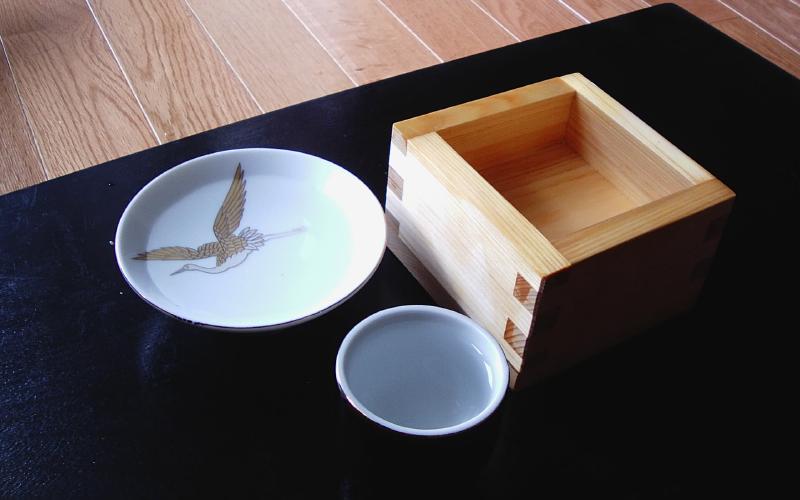 SakeVegan酒
🇯🇵 JapanJapanese alcoholic drink brewed from polished rice and kōji mold
Drink
SakeVegan酒
🇯🇵 JapanJapanese alcoholic drink brewed from polished rice and kōji mold
Drink
 KvassVeganквас
🇷🇺 Russia and 5 moreA tangy, slightly sweet fermented drink made from rye bread or flour
Drink
KvassVeganквас
🇷🇺 Russia and 5 moreA tangy, slightly sweet fermented drink made from rye bread or flour
Drink