Bánh tét
Cylindrical sticky rice cake with mung bean and pork, wrapped in banana leaf
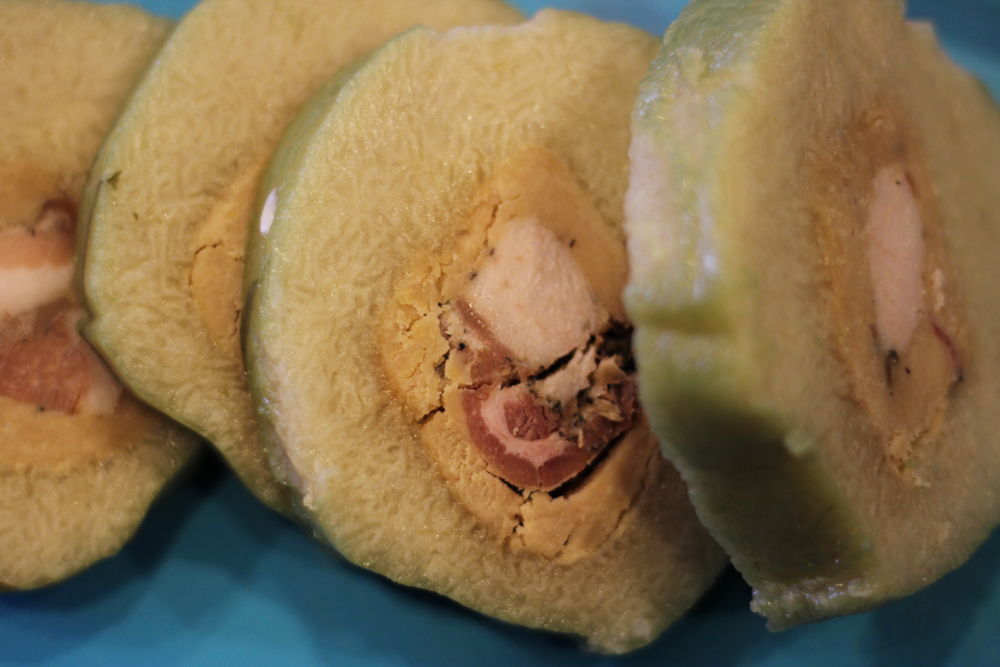
Bánh tét is a Vietnamese cake made from glutinous rice, filled with mung bean and pork, and wrapped in banana leaves before boiling. It is a central food for Tết, the Vietnamese Lunar New Year, and is sliced into round pieces to serve, sometimes enjoyed with pickled scallions or fried.
- Central to Vietnamese Lunar New Year celebrations
- Made with sticky rice, mung bean, and pork, wrapped in banana leaves
- Served sliced into thick, round pieces
- Sweet versions use banana and red bean
- Traditionally prepared by families for Tết
What is Bánh tét?
Bánh tét is a dense, log-shaped cake made from sticky rice and usually filled with mung bean paste and pork belly. The whole mixture is tightly wrapped in banana leaves, giving it a green outer layer and a subtle leaf aroma. After boiling, it is cut into thick, round slices. The taste is mildly savory, sometimes with a hint of sweetness, depending on the filling. Some versions use sweet banana or red bean instead of meat, resulting in a dessert-like flavor.
Where does Bánh tét come from?
Bánh tét comes from Vietnam and is especially common in the central and southern regions. It is closely tied to Tết, the Vietnamese Lunar New Year, and symbolizes the importance of rice in local culture. The name 'tét' refers to the act of slicing the cake for serving. While bánh tét is cylindrical, a similar cake called bánh chưng, which is square, is more typical in northern Vietnam. The tradition of making bánh tét is passed down through generations and remains a key part of the holiday.
How is Bánh tét made?
To prepare bánh tét, glutinous rice is layered with mung bean paste and seasoned pork belly on banana leaves. The ingredients are rolled into a thick cylinder, then wrapped securely with string and sometimes extra ribbon to keep the leaves in place. The roll is boiled in water for several hours until cooked through. Once finished, it is allowed to cool before being sliced for serving. Vegetarian versions use only beans or other fillings without meat.


How and when is Bánh tét eaten?
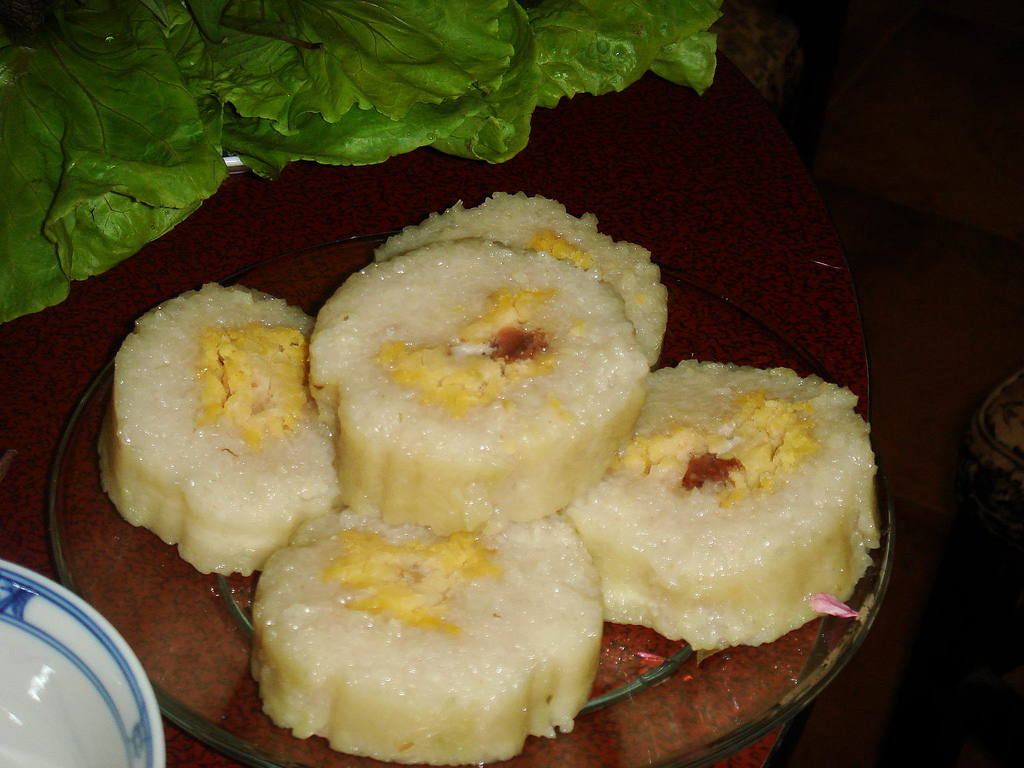
Bánh tét is most often eaten during Tết, when families gather to celebrate the new year. It is served in thick, round slices, sometimes alongside pickled scallions. Some people like to fry the slices for a crispy exterior. While it is a festive food, bánh tét can also be found in stores and markets, especially around the holiday season. Eating it together is seen as a way to strengthen family bonds.
Kinds of Bánh tét
There are several regional and ingredient-based variations of bánh tét. In the southwest, bánh tét chuối uses banana and sweet red bean for a sweet version. The southeast region is known for bánh tét bắp, which features corn. Vegetarian bánh tét omits pork, using only beans or other plant-based fillings. Each area may have its own preferred ingredients and methods.
What Bánh tét means
Bánh tét is a symbol of Tết and is considered essential for the holiday feast in many Vietnamese homes. Making it is often a family activity, with relatives gathering to prepare and cook the cakes together. This tradition is valued for bringing people together and preserving cultural heritage. Even as ready-made bánh tét becomes widely available, many families continue to make it at home to honor the custom.
When Bánh tét is on the table
Questions people ask about Bánh tét
What is bánh tét made of?
Bánh tét is made from glutinous rice, mung bean paste, and pork belly, all wrapped in banana leaves. Some versions use sweet fillings like banana and red bean or are made vegetarian with only beans.
Where does bánh tét come from?
Bánh tét is a traditional food from Vietnam, especially popular in the central and southern regions. It is most closely associated with the Vietnamese Lunar New Year, known as Tết.
When is bánh tét usually eaten?
Bánh tét is most often eaten during Tết, the Vietnamese Lunar New Year. It is a festive food that families prepare and share together to celebrate the holiday.
How is bánh tét served?
After cooking, bánh tét is sliced into thick, round pieces. It can be eaten as is, sometimes with pickled scallions, or the slices can be fried for a crispy texture.
Are there different types of bánh tét?
Yes, there are several varieties. Some use sweet fillings like banana and red bean, while others use corn or are made vegetarian. Each region may have its own version.
Good reading and sources
The facts on this page come from the Wikipedia article "Bánh tét", written by its contributors and used under the CC BY-SA 4.0 licence, and from its Wikidata record (CC0). Thali rewrote the text in its own words, with AI assistance, and compares every page with the article to make sure no passage is copied. It may be reused under the same CC BY-SA 4.0 licence with a link back.
It may contain mistakes, and it is not dietary or allergy advice: recipes differ from cook to cook. If something is wrong, tell us. Last refreshed 2026-10-03.
More from Vietnam
All the food of Vietnam Mu kropMeat
🇹🇭 Thailand and 4 moreThai-style fried pork belly with a crunchy golden skin
Main dish, Lunch, Dinner
Mu kropMeat
🇹🇭 Thailand and 4 moreThai-style fried pork belly with a crunchy golden skin
Main dish, Lunch, Dinner
 Phophở
🇻🇳 Vietnam and 5 moreVietnamese rice noodle soup with beef or chicken in aromatic broth
Soup, Breakfast, Lunch
Phophở
🇻🇳 Vietnam and 5 moreVietnamese rice noodle soup with beef or chicken in aromatic broth
Soup, Breakfast, Lunch
 Pâté
🇫🇷 France and 5 moreA smooth or coarse spread made from minced meat, liver, or vegetables
Sauce, pickle or ferment
Pâté
🇫🇷 France and 5 moreA smooth or coarse spread made from minced meat, liver, or vegetables
Sauce, pickle or ferment
Its cousins elsewhere
All main dishes KāluaMeat
🇺🇸 United StatesMeat slow-cooked in an underground oven with hot stones and leaves
Main dish, Lunch, Dinner
KāluaMeat
🇺🇸 United StatesMeat slow-cooked in an underground oven with hot stones and leaves
Main dish, Lunch, Dinner
 Tamaletamal
🇲🇽 Mexico and 5 moreCorn dough filled and steamed in a leaf wrapper, with many regional fillings
Main dish, Breakfast, Lunch
Tamaletamal
🇲🇽 Mexico and 5 moreCorn dough filled and steamed in a leaf wrapper, with many regional fillings
Main dish, Breakfast, Lunch
 Cochinita pibilMeat
🇲🇽 MexicoPork slow-cooked with citrus and annatto, wrapped in banana leaves
Main dish, Lunch, Dinner
Cochinita pibilMeat
🇲🇽 MexicoPork slow-cooked with citrus and annatto, wrapped in banana leaves
Main dish, Lunch, Dinner
 NacatamalMeat
🇳🇮 NicaraguaCorn masa parcels filled with seasoned meat, steamed in banana leaves
Main dish, Breakfast, Dinner
NacatamalMeat
🇳🇮 NicaraguaCorn masa parcels filled with seasoned meat, steamed in banana leaves
Main dish, Breakfast, Dinner