
Pâté
A smooth or coarse spread made from minced meat, liver, or vegetables
Pâté is a spreadable mixture of finely minced meat, liver, fish, or vegetables, often blended with fat, herbs, and spices. Originating in France, it can be baked in pastry or cooked in a dish called a terrine. Pâté is enjoyed in many countries and appears in both everyday meals and festive occasions.
- Pâté can be made with meat, liver, fish, or vegetables
- Originally baked in pastry, now often cooked in a terrine
- French military rations have included tinned pâté for over 100 years
- In Vietnam, pâté is used in bánh mì sandwiches
- Eastern European versions are called pashtet
What is Pâté?
Pâté is a blend of finely chopped or pureed meat, liver, fish, or vegetables, mixed with fat and seasoned with herbs, spices, and sometimes wine or brandy. The mixture can be smooth or chunky, and may be cooked inside a pastry shell (pâté en croute) or in a dish (terrine). The result is a rich, spreadable food, often served as a starter or snack. Its flavor and texture vary widely depending on the ingredients and method used.
Where does Pâté come from?
The word pâté comes from the French for 'paste' or 'dough', with roots in the Latin 'pasta'. The dish dates back to at least the 12th century in France, where it was originally a baked pastry filled with minced meat or fish. Romans also made similar preparations, often with pork or spiced birds' tongues. Over time, the pastry was sometimes left out, and the mixture was cooked in a terrine. The dish spread across Europe, taking on local forms and names.
How is Pâté made?
To make pâté, meat, liver, fish, or vegetables are minced or pureed and mixed with fat, herbs, spices, and sometimes alcohol like wine or brandy. The mixture can be baked in a pastry shell or cooked in a terrine, which is a deep dish. Some types, like parfait, are pureed raw and then gently cooked for a smooth finish. In Eastern Europe, liver is often boiled or fried, then blended with fat and seasonings.


How and when is Pâté eaten?
Pâté is usually served as a spread on bread or crackers, either as a starter or a snack. In Russia, it may be shaped into decorative forms and served on a plate or in a bowl. In Vietnam, pâté is a common filling in bánh mì sandwiches. It can be enjoyed cold or at room temperature, and sometimes appears in festive or formal meals as well as everyday eating.
Kinds of Pâté
French pâté comes in many forms, from rustic country terrines to smooth parfaits. In Central and Eastern Europe, poultry liver pâté (pashtet) is especially popular, and may include vegetables and herbs. Jewish cuisine has similar dishes like chopped liver and vorschmack. The ingredients and texture can vary widely, with some versions including fish or seafood, and others using different fats or seasonings.
What Pâté means
Pâté has a long history in French and European food culture, from medieval pies to modern terrines. It has been part of military rations in France for over a century, thanks to its ability to keep well when tinned. In many countries, it is a familiar part of both home cooking and festive tables, and has inspired similar dishes across cultures.
Questions people ask about Pâté
What is pâté made of?
Pâté is made from finely minced or pureed meat, liver, fish, or vegetables, mixed with fat, herbs, spices, and sometimes wine or brandy. The exact ingredients depend on the recipe and region.
Where does pâté come from?
Pâté originated in France, with records of the dish going back to the 12th century. It has since spread to many countries, each with its own variations.
How is pâté usually served?
Pâté is commonly served as a spread on bread or crackers, either as a starter or snack. In some countries, it is also used as a filling in sandwiches or shaped into decorative forms.
Are there vegetarian or fish versions of pâté?
Yes, pâté can be made with vegetables, fish, or seafood instead of meat or liver. The method and seasonings are similar, but the main ingredient changes.
What is the difference between pâté en croute and terrine?
Pâté en croute is baked in a pastry shell, while a terrine is cooked in a dish without pastry. Both are types of pâté, but the presentation and texture may differ.
Good reading and sources
The facts on this page come from the Wikipedia article "Pâté", written by its contributors and used under the CC BY-SA 4.0 licence, and from its Wikidata record (CC0). Thali rewrote the text in its own words, with AI assistance, and compares every page with the article to make sure no passage is copied. It may be reused under the same CC BY-SA 4.0 licence with a link back.
It may contain mistakes, and it is not dietary or allergy advice: recipes differ from cook to cook. If something is wrong, tell us. Last refreshed 2026-10-03.
More from France
All the food of France RatatouilleVegan
🇫🇷 FranceA Provençal stew of summer vegetables cooked in olive oil
Main dish, Lunch, Dinner
RatatouilleVegan
🇫🇷 FranceA Provençal stew of summer vegetables cooked in olive oil
Main dish, Lunch, Dinner
 SauerkrautVegan
🇩🇪 Germany and 5 moreFinely shredded cabbage preserved by natural fermentation in salt
Sauce, pickle or ferment, Lunch, Dinner
SauerkrautVegan
🇩🇪 Germany and 5 moreFinely shredded cabbage preserved by natural fermentation in salt
Sauce, pickle or ferment, Lunch, Dinner
 PestoVegetarian
🇮🇹 Italy and 2 moreA basil, pine nut and cheese paste from Genoa, used to dress pasta
Sauce, pickle or ferment
PestoVegetarian
🇮🇹 Italy and 2 moreA basil, pine nut and cheese paste from Genoa, used to dress pasta
Sauce, pickle or ferment
 French toast
🇫🇷 France and 5 moreBread soaked in egg and milk, pan-fried and served sweet or savoury
Main dish, Breakfast, Snacks
French toast
🇫🇷 France and 5 moreBread soaked in egg and milk, pan-fried and served sweet or savoury
Main dish, Breakfast, Snacks
Its cousins elsewhere
All sauces, pickles and ferments Chutney
🇮🇳 India and 5 moreA spiced relish or sauce made from fruits, vegetables, herbs and spices
Sauce, pickle or ferment
Chutney
🇮🇳 India and 5 moreA spiced relish or sauce made from fruits, vegetables, herbs and spices
Sauce, pickle or ferment
 Stinky tofuVegetarian臭豆腐
🇨🇳 China and 3 moreFermented tofu with a strong aroma, sold as a snack in China and Taiwan
Street food, Snacks
Stinky tofuVegetarian臭豆腐
🇨🇳 China and 3 moreFermented tofu with a strong aroma, sold as a snack in China and Taiwan
Street food, Snacks
 Stuffing
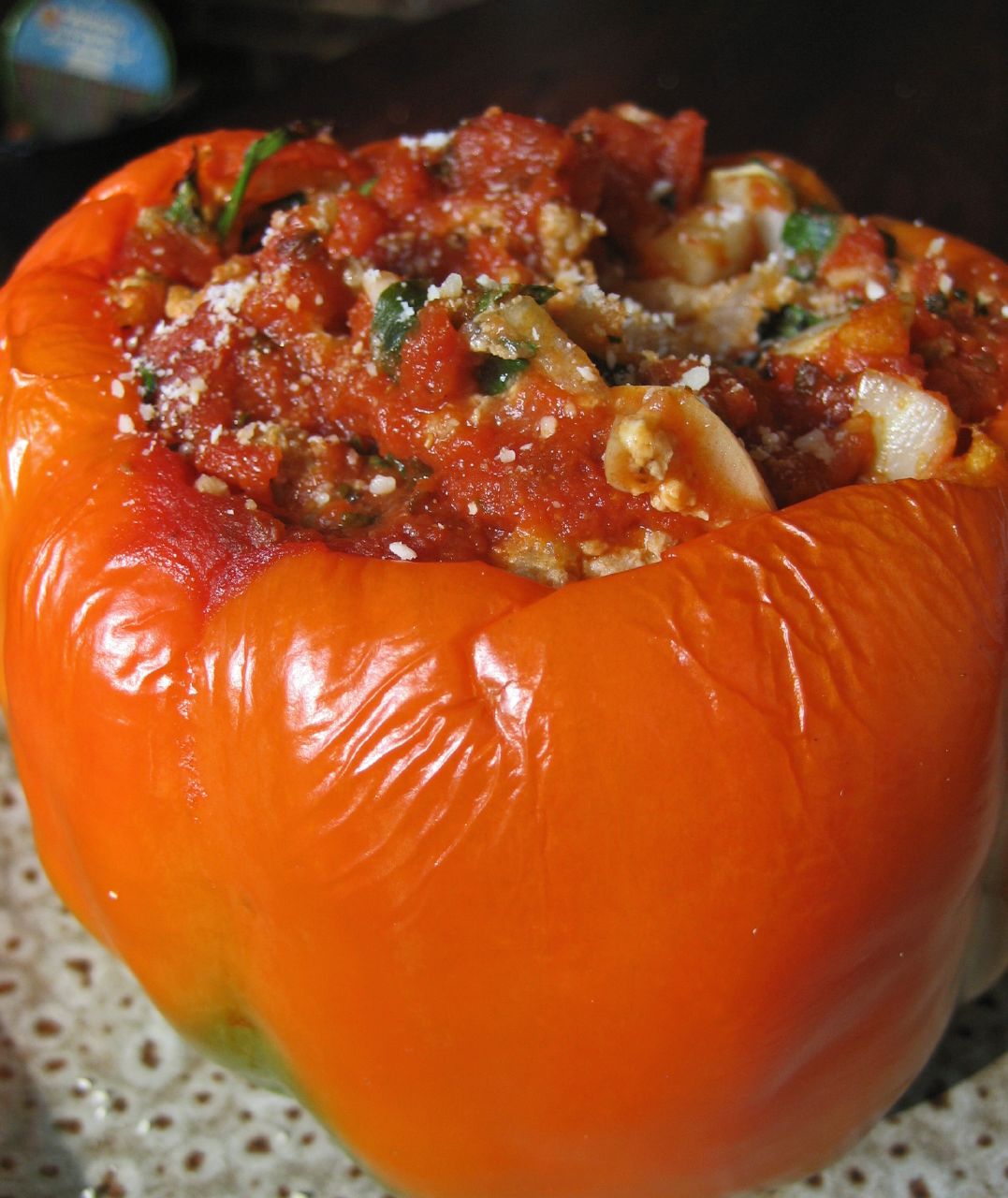
🇺🇸 United States and 1 moreA seasoned mixture used to fill meat, poultry, seafood, or vegetables before cooking
Main dish, Dinner
Stuffing
🇺🇸 United States and 1 moreA seasoned mixture used to fill meat, poultry, seafood, or vegetables before cooking
Main dish, Dinner
 BhangVeganभांग
🇮🇳 IndiaCannabis leaf paste used in drinks and sweets, central to Indian spring festivals
Drink, Snacks
BhangVeganभांग
🇮🇳 IndiaCannabis leaf paste used in drinks and sweets, central to Indian spring festivals
Drink, Snacks