
Cochinita pibil
Pork slow-cooked with citrus and annatto, wrapped in banana leaves
Cochinita pibil is a slow-cooked pork specialty from Mexico’s Yucatán Peninsula. The meat is marinated in citrus juice and annatto, then wrapped in banana leaves and roasted, often in an underground pit. It is commonly served with corn tortillas and tangy accompaniments.
- Traditionally cooked in a pit oven called a píib
- Marinated with citrus juice and annatto for color and flavor
- Banana leaves are used to wrap the meat during roasting
- Originates from the Yucatán Peninsula in Mexico
- Can be made with pork shoulder or loin instead of whole pig
What is Cochinita pibil?
Cochinita pibil is a dish where pork is marinated in a sharp, citrus-based mixture and colored with annatto, a spice that gives it a deep orange hue. The meat is wrapped in banana leaves before being cooked, which helps it stay moist and infuses it with a subtle earthy aroma. The finished pork is tender and flavorful, often paired with tortillas and sides that add crunch and heat.
Where does Cochinita pibil come from?
This dish comes from the Yucatán Peninsula in Mexico and has roots in Mayan cooking traditions. The name refers to a young pig, which was once the standard meat used. Over time, cooks have adapted the recipe to use other cuts of pork. The method of burying the meat in a pit oven, called a píib, is a practice that dates back centuries in the region.
How is Cochinita pibil made?
To prepare cochinita pibil, pork is soaked in a marinade made from the juice of bitter oranges or a mix of citrus fruits and vinegar if those are not available. Annatto is always included for its color and taste. The marinated meat is wrapped in banana leaves, then slowly roasted, traditionally in a pit dug into the ground with hot coals beneath. This slow cooking makes the pork very tender.
How and when is Cochinita pibil eaten?
Cochinita pibil is usually served hot, often at lunch or dinner. It is commonly accompanied by corn tortillas and a range of sides that might include pickled onions, black beans, and spicy chili peppers. The dish is shared at family tables and gatherings, where people assemble their own portions with the sides they like.
Kinds of Cochinita pibil
While the classic version uses a whole young pig, many cooks now use pork shoulder or loin for convenience. Outside the Yucatán, the marinade is sometimes adjusted with local citrus or vinegar to mimic the flavor of native bitter oranges. The method of roasting in a pit may be replaced by oven baking in modern kitchens.
What Cochinita pibil means
Cochinita pibil is a well-known part of Yucatán’s food heritage and is recognized across Mexico. It has appeared in films and video games, showing its place in popular culture. The dish is valued for its deep flavors and ties to traditional cooking methods, and it is often enjoyed at gatherings and everyday meals.
Questions people ask about Cochinita pibil
What is cochinita pibil made of?
It is made from pork marinated in citrus juice and annatto, then wrapped in banana leaves and slow-cooked.
Where does cochinita pibil come from?
This dish comes from the Yucatán Peninsula in Mexico and is rooted in Mayan culinary traditions.
How is cochinita pibil traditionally cooked?
The meat is wrapped in banana leaves and roasted in an underground pit oven, which makes it very tender.
What does annatto add to cochinita pibil?
Annatto gives the pork a vivid orange color and a distinctive earthy flavor.
How is cochinita pibil usually served?
It is served hot, often with corn tortillas and sides such as pickled onions, beans, and chili peppers.
Good reading and sources
- Cochinita pibil on WikipediaEncyclopedia
- More photos on Wikimedia CommonsPhotos
- Wikidata recordOpen data
The facts on this page come from the Wikipedia article "Cochinita pibil", written by its contributors and used under the CC BY-SA 4.0 licence, and from its Wikidata record (CC0). Thali rewrote the text in its own words, with AI assistance, and compares every page with the article to make sure no passage is copied. It may be reused under the same CC BY-SA 4.0 licence with a link back.
It may contain mistakes, and it is not dietary or allergy advice: recipes differ from cook to cook. If something is wrong, tell us. Last refreshed 2026-10-03.
More from Mexico
All the food of Mexico Taco
🇲🇽 Mexico and 1 moreA folded tortilla filled with meat, beans or vegetables, eaten by hand
Street food, Lunch, Dinner
Blood sausageMeat
🇫🇷 France and 5 moreA sausage made with animal blood, fillers and spices, cooked or dried until firm
Main dish, Lunch, Dinner
Taco
🇲🇽 Mexico and 1 moreA folded tortilla filled with meat, beans or vegetables, eaten by hand
Street food, Lunch, Dinner
Blood sausageMeat
🇫🇷 France and 5 moreA sausage made with animal blood, fillers and spices, cooked or dried until firm
Main dish, Lunch, Dinner
 MolleteVegetarian
🇲🇽 Mexico and 6 moreOpen-faced Mexican sandwich with refried beans and melted cheese
Bread, Breakfast, Snacks
MolleteVegetarian
🇲🇽 Mexico and 6 moreOpen-faced Mexican sandwich with refried beans and melted cheese
Bread, Breakfast, Snacks
 BarbacoaMeat
🇲🇽 Mexico and 3 moreMeat slow-cooked in a pit lined with agave or banana leaves
Main dish, Lunch, Dinner
BarbacoaMeat
🇲🇽 Mexico and 3 moreMeat slow-cooked in a pit lined with agave or banana leaves
Main dish, Lunch, Dinner
Its cousins elsewhere
All main dishes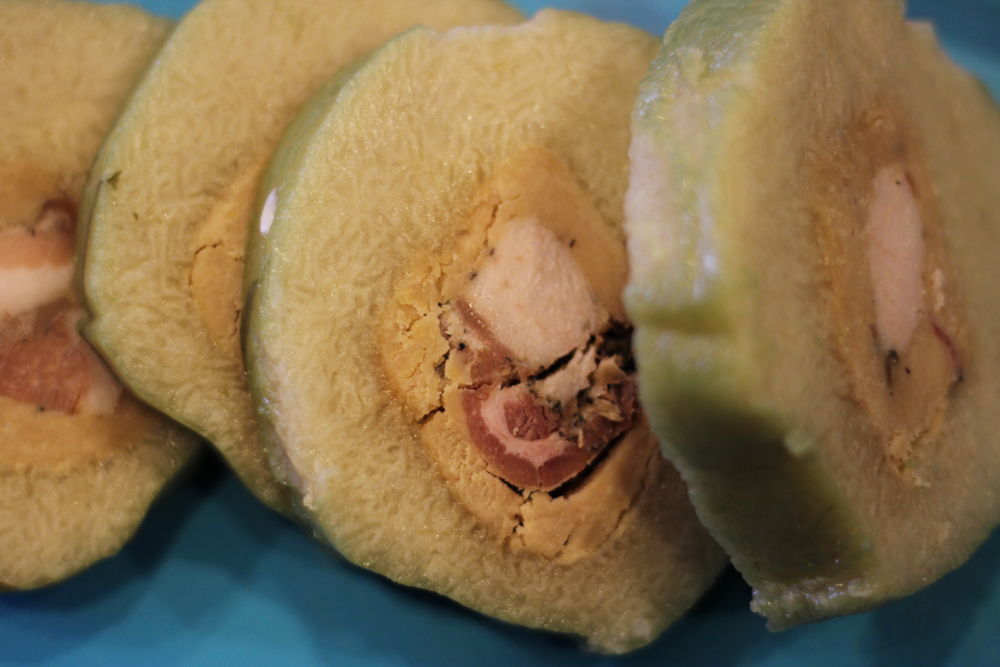 Bánh tét
🇻🇳 VietnamCylindrical sticky rice cake with mung bean and pork, wrapped in banana leaf
Main dish, Snacks
Bánh tét
🇻🇳 VietnamCylindrical sticky rice cake with mung bean and pork, wrapped in banana leaf
Main dish, Snacks
 PachamancaMeat
🇵🇪 Peru and 1 moreAndean meats and vegetables slow-cooked with hot stones in an earthen oven
Main dish, Lunch, Dinner
PachamancaMeat
🇵🇪 Peru and 1 moreAndean meats and vegetables slow-cooked with hot stones in an earthen oven
Main dish, Lunch, Dinner
 Hāngī
🇳🇿 New ZealandFood slow-cooked in an earth oven with hot stones, a Māori tradition
Main dish, Lunch, Dinner
Hāngī
🇳🇿 New ZealandFood slow-cooked in an earth oven with hot stones, a Māori tradition
Main dish, Lunch, Dinner
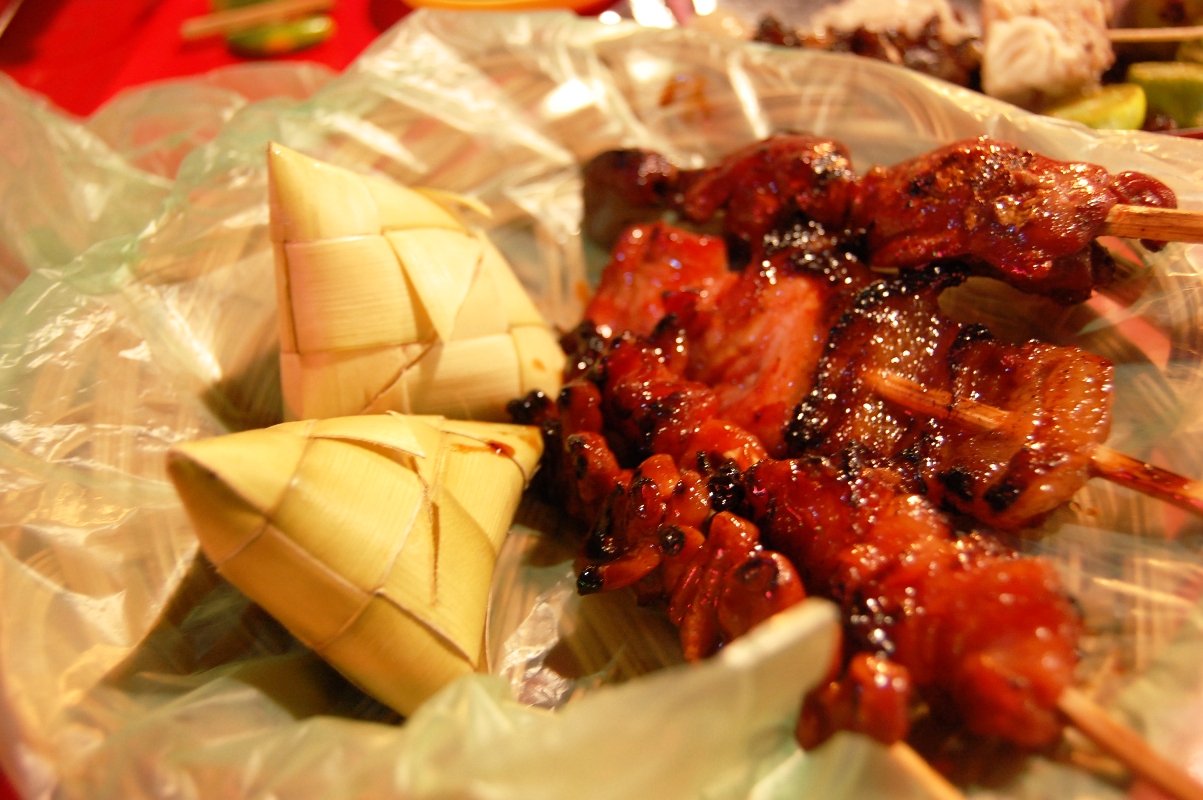 Inihaw
🇵🇭 PhilippinesGrilled meats and seafood, often on skewers, from the Philippines
Main dish, Lunch, Dinner
Inihaw
🇵🇭 PhilippinesGrilled meats and seafood, often on skewers, from the Philippines
Main dish, Lunch, Dinner