
Bento
In its own language: 弁当
A Japanese meal packed in a box, often with rice, meat or fish, and vegetables
Bento is a Japanese single-portion meal packed in a box, commonly eaten for lunch. It usually contains rice or noodles, fish or meat, and cooked or pickled vegetables, arranged in separate sections. Bento is found in shops, train stations, and homes, and is also popular in Taiwan and other parts of East Asia.
- Bento is a single-portion meal packed in a box, common in Japan for lunch.
- It usually includes rice or noodles, fish or meat, and vegetables in separate sections.
- Bento can be homemade or bought at shops, train stations, and convenience stores.
- Some bento are decorated to look like characters or pictures (kyaraben).
- Bento culture has influenced similar boxed meals in Taiwan and other parts of Asia.
What is Bento?
Bento is a meal arranged in a box, designed for one person and meant to be portable. The box often has compartments to keep different foods separate. A typical bento includes rice or sometimes noodles, a portion of fish or meat, and a selection of cooked or pickled vegetables. Some versions add a rolled egg or a piece of nori (seaweed). The look of a bento can range from simple to highly decorative, with some arranged to resemble characters or pictures. The box itself can be disposable or a crafted lacquerware container.
Where does Bento come from?
The idea of carrying food in a box in Japan dates back to at least the 12th century, when dried rice called hoshi-ii was packed for travel or work. The word 'bento' began to be used in the Azuchi–Momoyama period, with a meaning of 'prepared in advance.' By the Edo period, bento culture was widespread, with special types for theatergoers and travelers. The first train station bento, or ekiben, appeared in the late 19th century. Over time, bento became a part of daily life, with both homemade and store-bought options.
How is Bento made?
To make a bento, rice or noodles are prepared and placed in one section of a box. Other compartments are filled with cooked or pickled vegetables, a piece of fish or meat, and sometimes a rolled omelet or a slice of nori. Dividers, such as plastic 'sushi grass,' are used to keep flavors from mixing. The box is closed with a lid and may be wrapped in a cloth for carrying. Some bento are made at home, while others are sold in shops or at train stations.


How and when is Bento eaten?
Bento is most often eaten at lunch, whether at school, work, or while traveling. In Japan, it is common for family members, especially mothers, to prepare bento for children or spouses. It is also widely available at convenience stores, bento shops, and train stations. People may eat bento during outings, on trains, or at events like picnics and sports days. The meal is usually eaten cold or at room temperature, straight from the box.
Kinds of Bento
There are many types of bento. Hinomaru bento has only rice and a pickled plum, while noriben features rice covered with soy sauce-dipped nori and fried fish. Karaage bento centers on fried chicken, and sake bento includes broiled salmon. Ekiben are sold at train stations, and soraben at airports. Some bento are elaborately decorated (kyaraben), while others are simple and practical. Regional and modern versions reflect local tastes and available ingredients.
What Bento means
Bento is tied to daily routines and social expectations in Japan, especially the role of mothers in preparing meals for children. The appearance and balance of the meal are valued, and there are even contests for the most attractive arrangements. Bento is also a symbol of convenience and care, and has inspired similar boxed meals in Taiwan and other Asian countries. In recent years, sharing bento designs online has become popular, spreading the tradition beyond Japan.
Questions people ask about Bento
What is bento made of?
Bento usually contains rice or noodles, a portion of fish or meat, and cooked or pickled vegetables, often arranged in separate sections of a box. Some versions include a rolled omelet or nori (seaweed).
Where does bento come from?
Bento originated in Japan, with the practice of packing portable meals dating back to at least the 12th century. The word 'bento' and the boxed meal tradition have since spread to other parts of East Asia.
Is bento always eaten cold?
Bento is most often eaten cold or at room temperature, straight from the box. Some types, like those bought at shops, may be reheated, but traditional bento is designed to be eaten as packed.
Are there vegetarian bento?
Yes, bento can be made with or without meat or fish, depending on preference. Some versions focus on vegetables, pickles, and egg, while others include meat or seafood.
How is bento different from other packed lunches?
Bento is distinct for its use of a compartmentalized box, careful arrangement, and balance of flavors and colors. It is a common part of Japanese daily life and has a variety of traditional and modern forms.
Good reading and sources
The facts on this page come from the Wikipedia article "Bento", written by its contributors and used under the CC BY-SA 4.0 licence, and from its Wikidata record (CC0). Thali rewrote the text in its own words, with AI assistance, and compares every page with the article to make sure no passage is copied. It may be reused under the same CC BY-SA 4.0 licence with a link back.
It may contain mistakes, and it is not dietary or allergy advice: recipes differ from cook to cook. If something is wrong, tell us. Last refreshed 2026-10-03.
More from Japan
All the food of Japan Pizza
🇮🇹 Italy and 4 moreFlatbread topped with tomato, cheese and baked at high heat
Main dish, Lunch, Dinner
Pizza
🇮🇹 Italy and 4 moreFlatbread topped with tomato, cheese and baked at high heat
Main dish, Lunch, Dinner
 Sushi寿司
🇯🇵 JapanVinegared rice paired with seafood, vegetables or other toppings
Main dish, Lunch, Dinner
TofuVegan豆腐
🇨🇳 China and 5 moreSoft white blocks made by curdling soy milk and pressing the curds
Main dish
Sushi寿司
🇯🇵 JapanVinegared rice paired with seafood, vegetables or other toppings
Main dish, Lunch, Dinner
TofuVegan豆腐
🇨🇳 China and 5 moreSoft white blocks made by curdling soy milk and pressing the curds
Main dish
 Sashimi刺身
🇯🇵 JapanThin slices of raw fish or meat, served with soy sauce and condiments
Main dish, Lunch, Dinner
Sashimi刺身
🇯🇵 JapanThin slices of raw fish or meat, served with soy sauce and condiments
Main dish, Lunch, Dinner
Its cousins elsewhere
All main dishes Domoda
🇸🇳 Senegal and 4 moreA tangy Senegalese stew thickened with flour and served with rice
Stew or curry, Lunch, Dinner
Domoda
🇸🇳 Senegal and 4 moreA tangy Senegalese stew thickened with flour and served with rice
Stew or curry, Lunch, Dinner
 Lasagnalasagne
🇮🇹 ItalyBaked layers of pasta sheets, sauce, cheese and fillings from Italy
Main dish, Lunch, Dinner
Lasagnalasagne
🇮🇹 ItalyBaked layers of pasta sheets, sauce, cheese and fillings from Italy
Main dish, Lunch, Dinner
 Pie
🇬🇧 United Kingdom and 5 moreA baked dish with a pastry crust and sweet or savoury filling
Main dish, Lunch, Dinner
Pie
🇬🇧 United Kingdom and 5 moreA baked dish with a pastry crust and sweet or savoury filling
Main dish, Lunch, Dinner
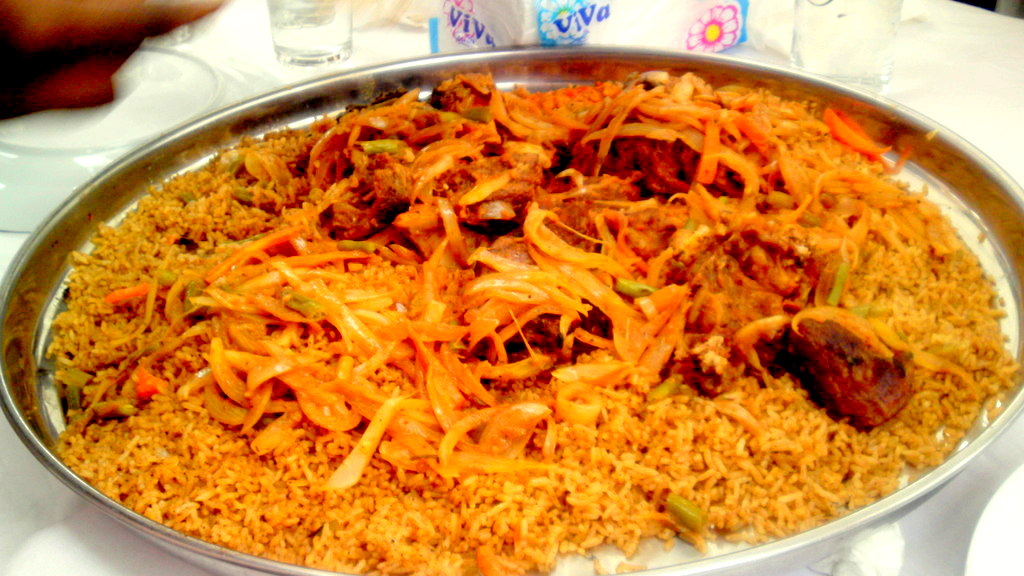 Riz grasMeat
🇧🇫 Burkina Faso and 4 moreWest African rice cooked with meat and vegetables, served hot
Main dish, Lunch, Dinner
Riz grasMeat
🇧🇫 Burkina Faso and 4 moreWest African rice cooked with meat and vegetables, served hot
Main dish, Lunch, Dinner