
Domoda
A tangy Senegalese stew thickened with flour and served with rice
Domoda is a tomato-based stew from Senegal, often thickened with flour and flavored with vinegar and lemon juice. It can be made with either meat or fish and is typically served alongside white rice. The dish is a staple in Senegalese cooking and is enjoyed in neighboring West African countries.
- Domoda is a tomato-based stew from Senegal
- The sauce is thickened with flour and flavored with vinegar
- It can be made with either meat or fish
- Lemon juice gives domoda its tangy flavor
- Usually served hot with white rice
What is Domoda?
Domoda is a stew from Senegal, known for its smooth, tomato-based sauce that is thickened with flour. The sauce is flavored with vinegar and a mix of vegetables, giving it a rich and tangy taste. Lemon juice is added for a distinctive sour note. Domoda can be made with either meat or fish, and it is always served with white rice. The finished dish is hearty, with a sauce that clings to the rice and proteins, and a bright, slightly acidic aroma from the lemon and vinegar.
Where does Domoda come from?
Domoda is a key dish in Senegalese cooking, and its name and preparation show French influence, especially in the use of the word 'ragout' and the addition of flour to thicken the sauce. The dish is emblematic of Senegal’s food culture, standing alongside other favorites like thieboudienne and yassa. It is enjoyed not only in Senegal but also in neighboring countries such as Mauritania, The Gambia, Guinea-Bissau, and Guinea, reflecting its spread across West Africa.
How is Domoda made?
To make domoda, a tomato-based sauce is prepared with vinegar and a selection of vegetables. Flour is stirred in to give the sauce a smooth, thick texture. Meat or fish is added to the sauce, simmering until tender and infused with the tangy flavors. Lemon juice is mixed in at the end, providing the stew’s signature sourness. The finished stew is ladled over plain white rice, which soaks up the sauce.

How and when is Domoda eaten?
Domoda is usually eaten as a main meal, either at lunch or dinner. It is served hot, with the stew poured over a mound of white rice. The dish is enjoyed in homes and at gatherings, and is considered everyday food in Senegal and neighboring countries. The tangy, thick sauce and the pairing with rice make it filling and satisfying.
Kinds of Domoda
Domoda can be made with different proteins, most commonly meat or fish, depending on what is available or preferred. The vegetables used in the sauce can also vary by region or household. Some versions are called 'domoda farine' to highlight the use of flour as a thickener. The basic method and tangy flavor profile remain consistent, but ingredients may shift with local tastes and traditions.
What Domoda means
Domoda is seen as one of the defining dishes of Senegalese cuisine, often named alongside other classics like thieboudienne and yassa. Its French-inspired technique and local flavors make it a symbol of Senegal’s culinary history. The dish is widely enjoyed across several West African countries, marking it as a shared regional favorite.
Questions people ask about Domoda
What is domoda made of?
Domoda is a stew with a tomato-based sauce thickened with flour, flavored with vinegar and lemon juice, and made with either meat or fish. Vegetables are also added, and it is served with white rice.
Where does domoda come from?
Domoda comes from Senegal and is also popular in Mauritania, The Gambia, Guinea-Bissau, and Guinea. It is a well-known part of Senegalese cuisine.
Is domoda always made with meat?
No, domoda can be made with either meat or fish. The choice depends on local preference or availability.
How is domoda usually served?
Domoda is served hot, with the thick, tangy stew poured over plain white rice. It is eaten as a main meal, usually at lunch or dinner.
What makes domoda taste tangy?
The tangy flavor in domoda comes from the addition of vinegar and lemon juice to the tomato-based sauce.
Good reading and sources
The facts on this page come from the Wikipedia article "Domoda", written by its contributors and used under the CC BY-SA 4.0 licence, and from its Wikidata record (CC0). Thali rewrote the text in its own words, with AI assistance, and compares every page with the article to make sure no passage is copied. It may be reused under the same CC BY-SA 4.0 licence with a link back.
It may contain mistakes, and it is not dietary or allergy advice: recipes differ from cook to cook. If something is wrong, tell us. Last refreshed 2026-10-03.
More from Senegal
All the food of Senegal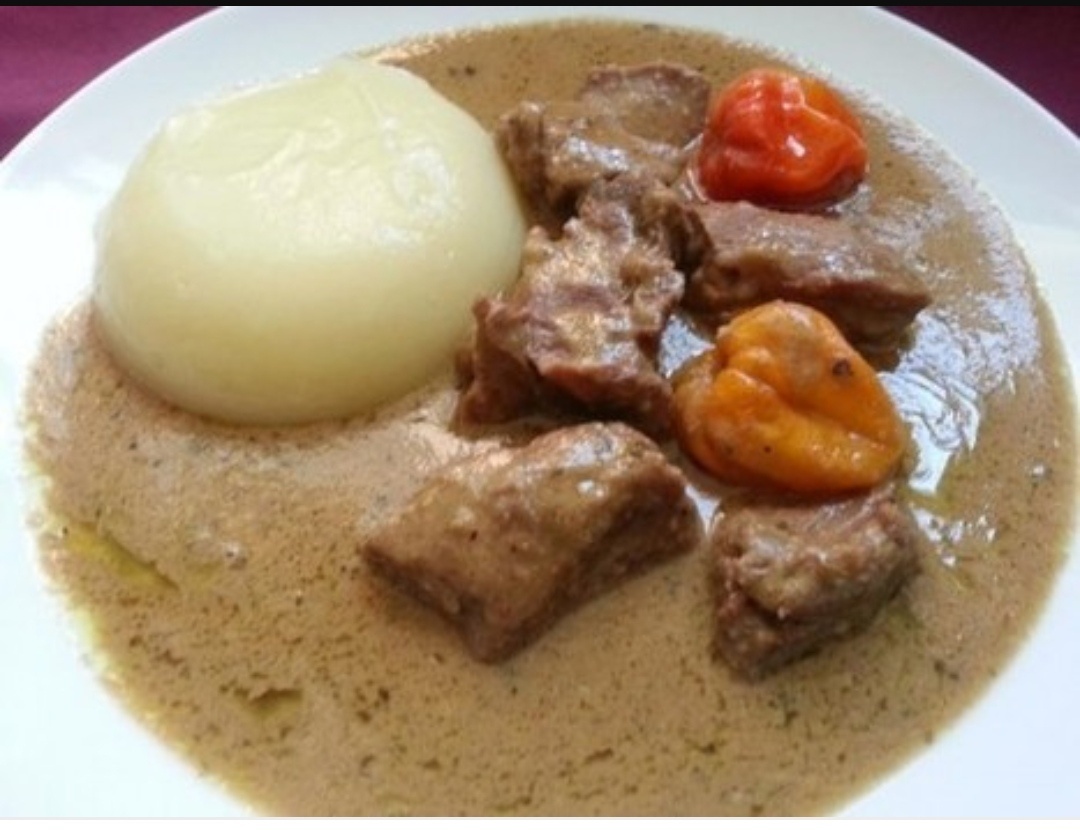 Peanut stew
🇸🇳 Senegal and 5 moreA rich West African stew of meat and vegetables in a spiced peanut sauce
Stew or curry, Lunch, Dinner
Peanut stew
🇸🇳 Senegal and 5 moreA rich West African stew of meat and vegetables in a spiced peanut sauce
Stew or curry, Lunch, Dinner
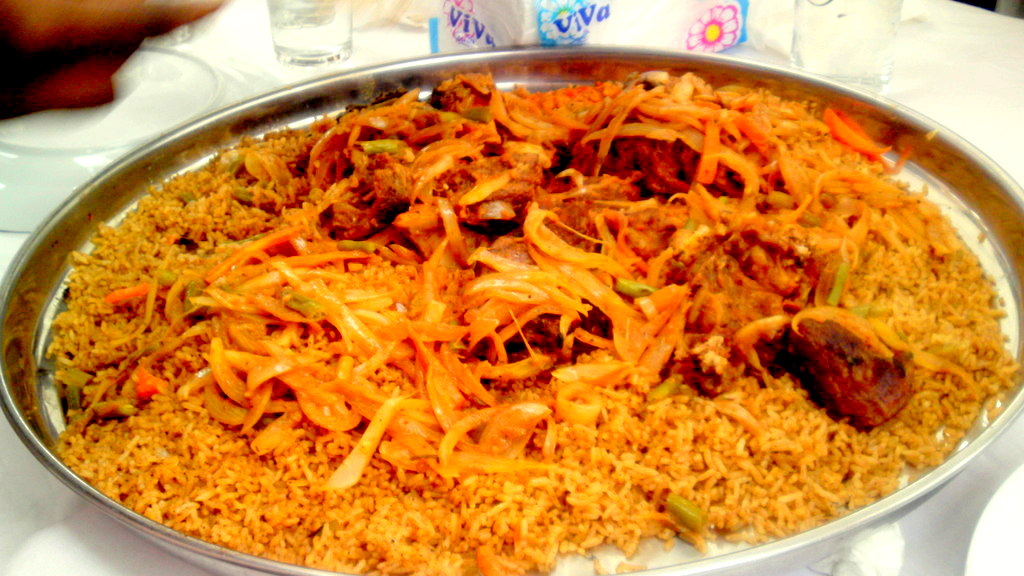 Riz grasMeat
🇧🇫 Burkina Faso and 4 moreWest African rice cooked with meat and vegetables, served hot
Main dish, Lunch, Dinner
Riz grasMeat
🇧🇫 Burkina Faso and 4 moreWest African rice cooked with meat and vegetables, served hot
Main dish, Lunch, Dinner
 Jambalaya
🇺🇸 United States and 5 moreLouisiana rice cooked with meats, vegetables and spices in one pot
Main dish, Lunch, Dinner
Jollof rice
🇸🇳 Senegal and 5 moreWest African rice simmered in tomato, chili and spices, often served with meat or fish
Main dish, Lunch, Dinner
Jambalaya
🇺🇸 United States and 5 moreLouisiana rice cooked with meats, vegetables and spices in one pot
Main dish, Lunch, Dinner
Jollof rice
🇸🇳 Senegal and 5 moreWest African rice simmered in tomato, chili and spices, often served with meat or fish
Main dish, Lunch, Dinner
Its cousins elsewhere
All stews and curries Sinigang
🇵🇭 PhilippinesA Filipino soup or stew with a tangy broth, often made with tamarind
Soup, Lunch, Dinner
Sinigang
🇵🇭 PhilippinesA Filipino soup or stew with a tangy broth, often made with tamarind
Soup, Lunch, Dinner
 SaltahMeatسلتة
🇾🇪 YemenYemen’s national stew of meat broth, fenugreek froth, and spicy salsa
Stew or curry, Lunch
SaltahMeatسلتة
🇾🇪 YemenYemen’s national stew of meat broth, fenugreek froth, and spicy salsa
Stew or curry, Lunch
 Pörkölt
🇭🇺 Hungary and 4 moreHungarian stew of meat, paprika and onion, simmered with vegetables
Stew or curry, Lunch, Dinner
Pörkölt
🇭🇺 Hungary and 4 moreHungarian stew of meat, paprika and onion, simmered with vegetables
Stew or curry, Lunch, Dinner
 Gulai
🇮🇩 Indonesia and 4 moreSpiced Southeast Asian stew with coconut milk and a blend of local herbs
Main dish, Lunch, Dinner
Gulai
🇮🇩 Indonesia and 4 moreSpiced Southeast Asian stew with coconut milk and a blend of local herbs
Main dish, Lunch, Dinner