
Beyaynetu
In its own language: በያይነቱ
Ethiopian platter of injera with assorted vegetables and meats
Beyaynetu is a platter from Ethiopia and Eritrea, served with injera and an array of vegetables and sometimes meat. It is a national dish in Ethiopia, known for its variety and for reflecting the country's diverse cooking. Vegetarian and meat versions are common, with special types for fasting periods.
- Beyaynetu means 'assorted' in Amharic
- Served on injera, a sourdough flatbread
- Vegetarian version is eaten during fasting periods
- A national dish of Ethiopia
- Includes a mix of vegetables and sometimes meat
What is Beyaynetu?
Beyaynetu is a shared platter built on injera, a spongy, sour flatbread made from fermented batter. On top of the injera, a range of stews, sautéed vegetables, and sometimes meats are arranged in small piles. The dish can be entirely vegetarian or include meat, depending on the occasion. The name means 'assorted' in Amharic, pointing to the mix of flavors and textures. The meal is colorful, with each ingredient keeping its own taste and character.
Where does Beyaynetu come from?
Beyaynetu comes from Ethiopia and is also found in Eritrea. It is considered one of Ethiopia's national dishes. The word bäyaynätu in Amharic means 'various' or 'assorted', which reflects the dish's composition. The platter is shaped by the country's tradition of communal eating and the religious practices of the Ethiopian Orthodox Tewahedo Church, which has periods of fasting that influence what is served.
How is Beyaynetu made?
To prepare beyaynetu, injera is laid out as a base. A selection of vegetable dishes, and sometimes meat stews, are spooned onto the bread in separate portions. The vegetarian version, called ätkəlt bäyaynätu or yetsom bäyaynätu, uses only plant-based foods, especially during fasting times when meat and dairy are avoided. When meat is included, it is known as bäyaynätu bäsga or yäfsək bäyaynätu. Each component is cooked separately and then arranged together for serving.
How and when is Beyaynetu eaten?
Beyaynetu is usually eaten at lunch or dinner. It is served on a large platter for sharing, with diners tearing off pieces of injera to scoop up the different stews and vegetables. During fasting periods observed by Ethiopian Orthodox Christians, only the vegetarian version is eaten. The dish is part of both everyday meals and special occasions, and it is common in both home and restaurant settings.
Kinds of Beyaynetu
There are two main types of beyaynetu: vegetarian and non-vegetarian. The vegetarian style, called ätkəlt bäyaynätu or yetsom bäyaynätu, is eaten during fasting times and contains only vegetables and legumes. The meat version, bäyaynätu bäsga or yäfsək bäyaynätu, is served outside fasting periods and includes various meats. The exact selection of stews and vegetables can change from one household or restaurant to another.
What Beyaynetu means
Beyaynetu is closely tied to Ethiopian culture and religious practice. It is especially important during fasting periods in the Ethiopian Orthodox Tewahedo Church, when only vegetarian foods are allowed. The dish represents sharing and variety, and is a symbol of hospitality. Its presence at the table marks both everyday life and religious observance.
Questions people ask about Beyaynetu
What is beyaynetu made of?
Beyaynetu is made with injera, a sourdough flatbread, topped with a variety of vegetables and sometimes meat. The ingredients are arranged in separate piles on the bread.
Where does beyaynetu come from?
Beyaynetu comes from Ethiopia and is also found in Eritrea. It is considered one of the national dishes of Ethiopia.
Is beyaynetu vegetarian?
Beyaynetu can be vegetarian or include meat. The vegetarian version, called ätkəlt bäyaynätu or yetsom bäyaynätu, is eaten especially during religious fasting periods.
When is beyaynetu eaten?
Beyaynetu is usually eaten at lunch or dinner. The vegetarian version is common during fasting periods observed by Ethiopian Orthodox Christians.
How is beyaynetu served?
Beyaynetu is served on a large platter with injera as the base. Diners share the platter, tearing off pieces of injera to scoop up the different stews and vegetables.
Good reading and sources
The facts on this page come from the Wikipedia article "Beyaynetu", written by its contributors and used under the CC BY-SA 4.0 licence, and from its Wikidata record (CC0). Thali rewrote the text in its own words, with AI assistance, and compares every page with the article to make sure no passage is copied. It may be reused under the same CC BY-SA 4.0 licence with a link back.
It may contain mistakes, and it is not dietary or allergy advice: recipes differ from cook to cook. If something is wrong, tell us. Last refreshed 2026-10-03.
More from Ethiopia
All the food of Ethiopia HilbetVeganሕልበት
🇪🇷 Eritrea and 1 moreCreamy vegan dip of fava beans, lentils and spices from Eritrea and Ethiopia
Main dish, Lunch, Dinner
HilbetVeganሕልበት
🇪🇷 Eritrea and 1 moreCreamy vegan dip of fava beans, lentils and spices from Eritrea and Ethiopia
Main dish, Lunch, Dinner
 KochoVeganቆጮ
🇪🇹 EthiopiaFermented flatbread made from the enset plant in Ethiopia
Bread, Lunch, Dinner
KochoVeganቆጮ
🇪🇹 EthiopiaFermented flatbread made from the enset plant in Ethiopia
Bread, Lunch, Dinner
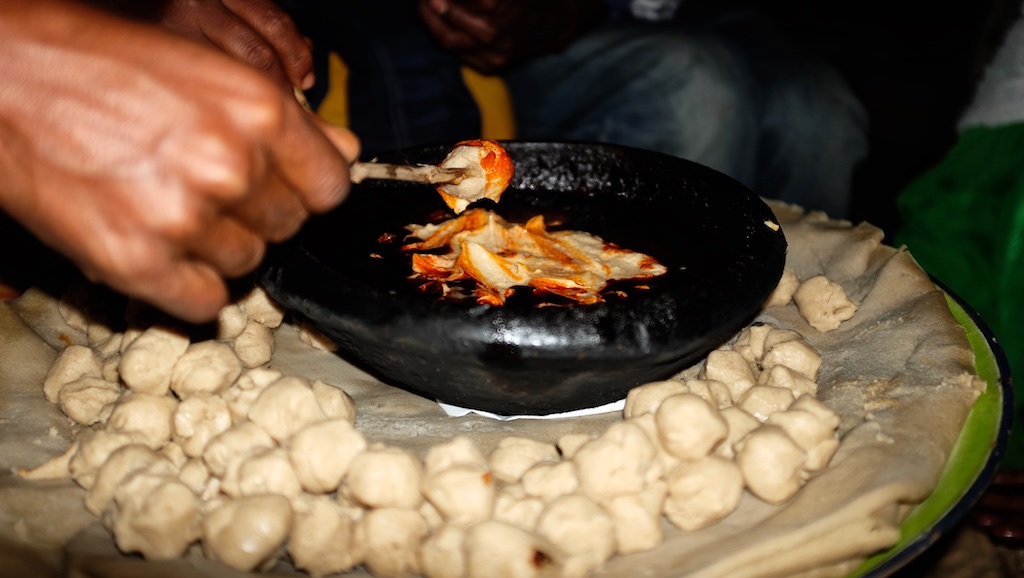 TihloMeatጥሕሎ
🇪🇹 EthiopiaBarley dough balls served with spicy meat stew from Tigray, Ethiopia
Main dish, Snacks, Lunch
TihloMeatጥሕሎ
🇪🇹 EthiopiaBarley dough balls served with spicy meat stew from Tigray, Ethiopia
Main dish, Snacks, Lunch
Its cousins elsewhere
All main dishes Biryani
🇮🇳 India and 5 moreRice and spiced meat or vegetables layered and cooked together
Main dish, Lunch, Dinner
Biryani
🇮🇳 India and 5 moreRice and spiced meat or vegetables layered and cooked together
Main dish, Lunch, Dinner
 Lasagnalasagne
🇮🇹 ItalyBaked layers of pasta sheets, sauce, cheese and fillings from Italy
Main dish, Lunch, Dinner
Lasagnalasagne
🇮🇹 ItalyBaked layers of pasta sheets, sauce, cheese and fillings from Italy
Main dish, Lunch, Dinner
 ShawarmaMeatشاورما
🇸🇾 Syria and 5 moreMeat roasted on a vertical spit and sliced into flatbread with sauces and vegetables
Street food, Lunch, Dinner
ShawarmaMeatشاورما
🇸🇾 Syria and 5 moreMeat roasted on a vertical spit and sliced into flatbread with sauces and vegetables
Street food, Lunch, Dinner
 Taco
🇲🇽 Mexico and 1 moreA folded tortilla filled with meat, beans or vegetables, eaten by hand
Street food, Lunch, Dinner
Taco
🇲🇽 Mexico and 1 moreA folded tortilla filled with meat, beans or vegetables, eaten by hand
Street food, Lunch, Dinner