
Bossam
In its own language: 보쌈
Slices of spiced boiled pork eaten wrapped in leafy greens with condiments
Bossam is a Korean dish featuring pork, usually pork belly or shoulder, simmered with aromatics and sliced thin. The meat is eaten wrapped in leaves such as napa cabbage or perilla, along with kimchi, sauces, and other sides. It is commonly enjoyed in South Korea, especially as a dish to share with drinks or during kimchi-making season.
- Pork is simmered with spices, then sliced and served cold
- Eaten wrapped in leaves with kimchi and sauces
- Traditionally enjoyed during kimchi-making season
- Popular as a dish to share with drinks
- A version with oysters is called gul-bossam
What is Bossam?
Bossam consists of pork, most often pork belly or shoulder, that is simmered in a broth with spices and aromatics. Once cooked, the meat is cooled and sliced into thin pieces. It is eaten by wrapping the pork in leafy greens such as napa cabbage or perilla leaves, together with sides like kimchi, garlic, and sauces. The dish is known for its combination of tender, flavorful meat and crisp, fresh vegetables, offering a balance of textures and tastes.
Where does Bossam come from?
Bossam is closely tied to the Korean tradition of making kimchi for winter, known as gimjang. During this time, workers preparing large batches of kimchi would be treated to a meal of boiled pork and freshly made kimchi, a practice encouraged by the local gentry to reward their efforts. The dish’s name, meaning 'wrapped,' comes from the custom of wrapping the pork and sides in leaves.
How is Bossam made?
To prepare bossam, pork is tied to keep its shape and simmered in a broth flavored with ingredients like star anise, ginger, scallion, garlic, soybean paste, and sometimes coffee or tea leaves to mellow the flavor. After boiling, the meat is rinsed, pressed, and cooled before being sliced thin. It is served with a variety of sides, including kimchi and leafy greens for wrapping.


How and when is Bossam eaten?
Bossam is typically enjoyed as a shared dish at dinner, often alongside alcoholic drinks. Each person takes a slice of pork, adds condiments and sides, and wraps them in a leaf before eating. It is especially popular during kimchi-making season, when fresh kimchi is available, but is also eaten year-round as a main dish for gatherings.
Kinds of Bossam
While pork is the usual choice, some versions use beef. Pork neck is sometimes preferred for a lighter taste. A notable variation is gul-bossam, which includes fresh raw oysters served with the pork and wraps. The selection of sides and sauces can also vary by region or household.
What Bossam means
Bossam is a familiar part of Korean gatherings, especially during the communal work of preparing kimchi for winter. It is also a favorite pairing with drinks in social settings. The dish reflects the importance of sharing and seasonal eating in Korean food culture.
Questions people ask about Bossam
What is bossam made of?
Bossam is made from pork, usually pork belly or shoulder, simmered with spices and aromatics. It is served sliced with leafy greens, kimchi, and various condiments.
Where does bossam come from?
Bossam comes from Korea and is especially associated with South Korea, where it is a popular dish for gatherings and during kimchi-making season.
How is bossam eaten?
Slices of pork are wrapped in leaves such as napa cabbage or perilla, along with kimchi, sauces, and other sides, and eaten in one bite.
Is bossam always made with pork?
Pork is the usual meat for bossam, but some versions use beef. Pork neck, belly, or shoulder are common cuts.
When is bossam usually served?
Bossam is often served at dinner, especially during the kimchi-making season, but is also enjoyed year-round as a main dish or with drinks.
Good reading and sources
The facts on this page come from the Wikipedia article "Bossam", written by its contributors and used under the CC BY-SA 4.0 licence, and from its Wikidata record (CC0). Thali rewrote the text in its own words, with AI assistance, and compares every page with the article to make sure no passage is copied. It may be reused under the same CC BY-SA 4.0 licence with a link back.
It may contain mistakes, and it is not dietary or allergy advice: recipes differ from cook to cook. If something is wrong, tell us. Last refreshed 2026-10-03.
More from South Korea
All the food of South Korea KabochaVeganカボチャ
🇯🇵 Japan and 5 moreA sweet, dense winter squash with edible skin, used in Japanese and Asian cooking
Main dish, Lunch, Dinner
KabochaVeganカボチャ
🇯🇵 Japan and 5 moreA sweet, dense winter squash with edible skin, used in Japanese and Asian cooking
Main dish, Lunch, Dinner
 Bibimbap비빔밥
🇰🇷 South Korea and 1 moreKorean rice bowl with mixed vegetables, meat, egg and chili paste
Main dish, Lunch, Dinner
Bibimbap비빔밥
🇰🇷 South Korea and 1 moreKorean rice bowl with mixed vegetables, meat, egg and chili paste
Main dish, Lunch, Dinner
 Udonうどん / 饂飩
🇯🇵 Japan and 4 moreThick wheat noodles served hot or cold in Japanese cooking
Noodle or pasta dish, Lunch, Dinner
Udonうどん / 饂飩
🇯🇵 Japan and 4 moreThick wheat noodles served hot or cold in Japanese cooking
Noodle or pasta dish, Lunch, Dinner
Its cousins elsewhere
All main dishes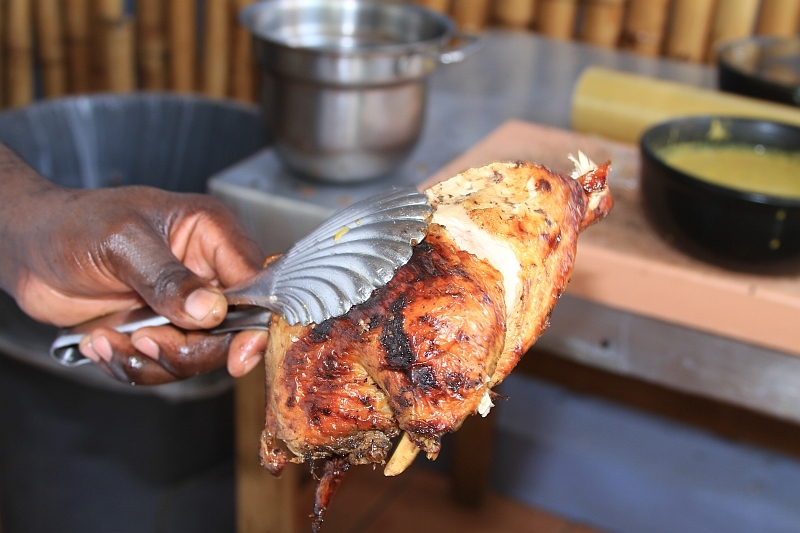 Jerk
🇯🇲 Jamaica and 5 moreMeat marinated with hot spices and smoked over pimento wood
Main dish, Lunch, Dinner
Jerk
🇯🇲 Jamaica and 5 moreMeat marinated with hot spices and smoked over pimento wood
Main dish, Lunch, Dinner
 Chicken tikka masalaMeat
🇬🇧 United Kingdom and 4 moreRoasted marinated chicken in a creamy, spiced tomato-based sauce
Main dish, Lunch, Dinner
Chicken tikka masalaMeat
🇬🇧 United Kingdom and 4 moreRoasted marinated chicken in a creamy, spiced tomato-based sauce
Main dish, Lunch, Dinner
 Fabada asturianaMeatFabada
🇪🇸 SpainAsturian white bean stew with pork and sausage
Stew or curry, Lunch
Chicharrón
🇪🇸 Spain and 6 moreCrispy fried pork belly or skin, enjoyed as a snack or dish in many countries
Street food, Snacks, Lunch
Fabada asturianaMeatFabada
🇪🇸 SpainAsturian white bean stew with pork and sausage
Stew or curry, Lunch
Chicharrón
🇪🇸 Spain and 6 moreCrispy fried pork belly or skin, enjoyed as a snack or dish in many countries
Street food, Snacks, Lunch