
Bibimbap
In its own language: 비빔밥
Korean rice bowl with mixed vegetables, meat, egg and chili paste
Bibimbap is a Korean dish of warm rice topped with seasoned vegetables, chili paste, egg, and usually sliced beef. The ingredients are mixed together just before eating. It is enjoyed across Korea, with cities like Jeonju, Jinju, and Tongyeong known for their own versions. Bibimbap is eaten year-round and has become a symbol of Korean food culture.
- Bibimbap means 'mixed rice' in Korean.
- Jeonju, Jinju, and Tongyeong are famous for their own styles of bibimbap.
- Dolsot-bibimbap is served in a hot stone pot that crisps the rice.
- Common toppings include vegetables, beef, egg, and chili paste.
- Bibimbap is mixed at the table just before eating.
What is Bibimbap?
Bibimbap is a bowl of warm rice covered with an array of seasoned vegetables, chili pepper paste, and usually a fried or raw egg and sliced beef. The vegetables can include cucumber, zucchini, radish, mushrooms, spinach, soybean sprouts, and bracken fern stems. Sometimes tofu, seaweed, or seafood are used instead of meat. The toppings are arranged for color and appeal, and just before eating, everything is mixed together with the spicy-sweet gochujang. The result is a dish with a mix of textures and flavors: savory, spicy, and nutty from sesame oil.
Where does Bibimbap come from?
The exact origin of bibimbap is unclear. Some believe it began as a way to mix food offerings from ancestral rites, while others link it to farmers and families combining leftovers with rice for convenience. Historical texts from the 16th century mention similar mixed rice dishes under names like hondon-ban and goldong-ban. Bibimbap was eaten by both royalty and commoners, sometimes as a way to use up leftover side dishes before the Lunar New Year. Over time, it became a signature dish of cities like Jeonju and Pyongyang. The dish spread globally in the late 20th century as Korean food became more popular.
How is Bibimbap made?
To make bibimbap, a bowl of hot white rice is topped with a variety of prepared vegetables, often sautéed or blanched and seasoned. Common additions are beef, either cooked or raw, and a fried or raw egg. Gochujang, a red chili paste, is spooned on top. In some versions, the dish is served in a hot stone pot (dolsot), which crisps the rice at the bottom. The ingredients are arranged for visual appeal, then mixed together at the table before eating.


How and when is Bibimbap eaten?
Bibimbap is usually eaten for lunch or dinner. It is served in restaurants, at home, and even on airlines. In Korea, it is sometimes eaten on the eve of the Lunar New Year to use up leftover side dishes. The dish is mixed thoroughly at the table, combining all the flavors and textures. It can be served in a regular bowl or a sizzling stone pot, which keeps it hot and adds a crispy layer of rice. It may be accompanied by soup or extra side dishes.
Kinds of Bibimbap
Regional versions include Jeonju bibimbap, which uses rice cooked in beef broth and is topped with raw beef and special toppings. Jinju bibimbap features beef tartare and a unique broth. Dolsot bibimbap is served in a hot stone pot, which crisps the rice. Hoedeopbap uses raw seafood instead of meat. Yakcho-bibimbap from Jecheon includes local medicinal herbs. Other versions may use wild vegetables, tofu, or spicy pork.
What Bibimbap means
Bibimbap is a symbol of Korean cuisine and is celebrated in festivals such as the Jeonju Bibimbap Festival. It is linked to traditions like using up food before the new year and is seen as a practical, communal dish. The colorful presentation is sometimes called a 'flower bowl.' Bibimbap is now served worldwide, including on airlines and in international restaurants, and is recognized as a representative Korean dish.
Questions people ask about Bibimbap
What is bibimbap made of?
Bibimbap is made of warm rice topped with seasoned vegetables, chili pepper paste (gochujang), egg, and usually sliced beef. Other ingredients like tofu or seafood can be used.
Where does bibimbap come from?
Bibimbap comes from Korea and is enjoyed throughout the country. Cities like Jeonju, Jinju, and Tongyeong are known for their own versions.
How is bibimbap eaten?
The ingredients are arranged on top of rice and mixed together just before eating, often at the table. It can be served in a regular bowl or a hot stone pot.
Are there vegetarian or seafood versions?
Yes. Some versions use tofu or seafood instead of beef, and vegetables are always a key part of the dish.
What makes Jeonju bibimbap special?
Jeonju bibimbap uses rice cooked in beef broth, is topped with raw beef and special toppings, and is served with bean sprout soup.
Good reading and sources
The facts on this page come from the Wikipedia article "Bibimbap", written by its contributors and used under the CC BY-SA 4.0 licence, and from its Wikidata record (CC0). Thali rewrote the text in its own words, with AI assistance, and compares every page with the article to make sure no passage is copied. It may be reused under the same CC BY-SA 4.0 licence with a link back.
It may contain mistakes, and it is not dietary or allergy advice: recipes differ from cook to cook. If something is wrong, tell us. Last refreshed 2026-10-03.
More from South Korea
All the food of South Korea KabochaVeganカボチャ
🇯🇵 Japan and 5 moreA sweet, dense winter squash with edible skin, used in Japanese and Asian cooking
Main dish, Lunch, Dinner
KabochaVeganカボチャ
🇯🇵 Japan and 5 moreA sweet, dense winter squash with edible skin, used in Japanese and Asian cooking
Main dish, Lunch, Dinner
 Udonうどん / 饂飩
🇯🇵 Japan and 4 moreThick wheat noodles served hot or cold in Japanese cooking
Noodle or pasta dish, Lunch, Dinner
Udonうどん / 饂飩
🇯🇵 Japan and 4 moreThick wheat noodles served hot or cold in Japanese cooking
Noodle or pasta dish, Lunch, Dinner
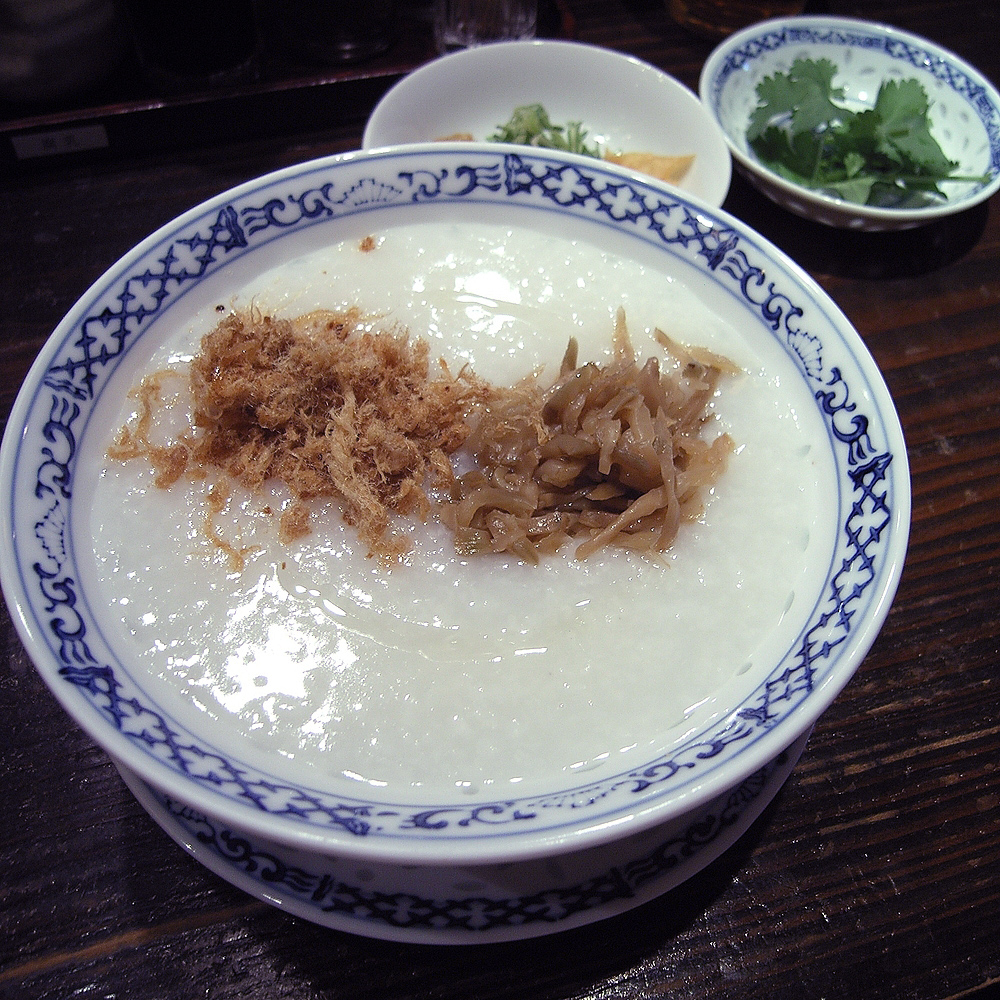 Congee粥
🇨🇳 China and 5 moreRice simmered in water to make a soft, comforting porridge
Main dish, Breakfast, Dinner
Congee粥
🇨🇳 China and 5 moreRice simmered in water to make a soft, comforting porridge
Main dish, Breakfast, Dinner
Its cousins elsewhere
All main dishes ZrazyMeat
🇵🇱 Poland and 2 moreBeef slices rolled around a savory filling and cooked as a main dish
Main dish, Lunch, Dinner
ZrazyMeat
🇵🇱 Poland and 2 moreBeef slices rolled around a savory filling and cooked as a main dish
Main dish, Lunch, Dinner
 Cabbage roll
🇺🇦 Ukraine and 5 moreCooked cabbage leaves wrapped around seasoned fillings, simmered or baked
Main dish, Lunch, Dinner
Cabbage roll
🇺🇦 Ukraine and 5 moreCooked cabbage leaves wrapped around seasoned fillings, simmered or baked
Main dish, Lunch, Dinner
 AspicMeat
🇫🇷 France and 5 moreMeat or fish set in savoury gelatin, served cold as an appetizer or festive dish
Main dish, Lunch, Dinner
AspicMeat
🇫🇷 France and 5 moreMeat or fish set in savoury gelatin, served cold as an appetizer or festive dish
Main dish, Lunch, Dinner
 FeijoadaMeat
🇵🇹 Portugal and 4 moreBean stew with pork or beef, common in Portugal and Brazil
Stew or curry, Lunch, Dinner
FeijoadaMeat
🇵🇹 Portugal and 4 moreBean stew with pork or beef, common in Portugal and Brazil
Stew or curry, Lunch, Dinner