
Bulgogi
In its own language: 불고기
Thin marinated beef grilled or pan-cooked, a classic of Korean barbecue
Bulgogi is a Korean dish of thinly sliced beef that is marinated and cooked over a grill or in a pan. It is especially popular in South Korea, where it is found in restaurants and markets, and is often enjoyed with rice and side dishes. The meat is usually sirloin or ribeye, seasoned with a blend of sauces, sweeteners, and aromatics.
- Bulgogi means 'fire meat' in Korean
- Originated in Pyongan, now North Korea
- Usually made with thinly sliced beef
- Marinated before grilling or pan-cooking
- Eaten with rice and side dishes
What is Bulgogi?
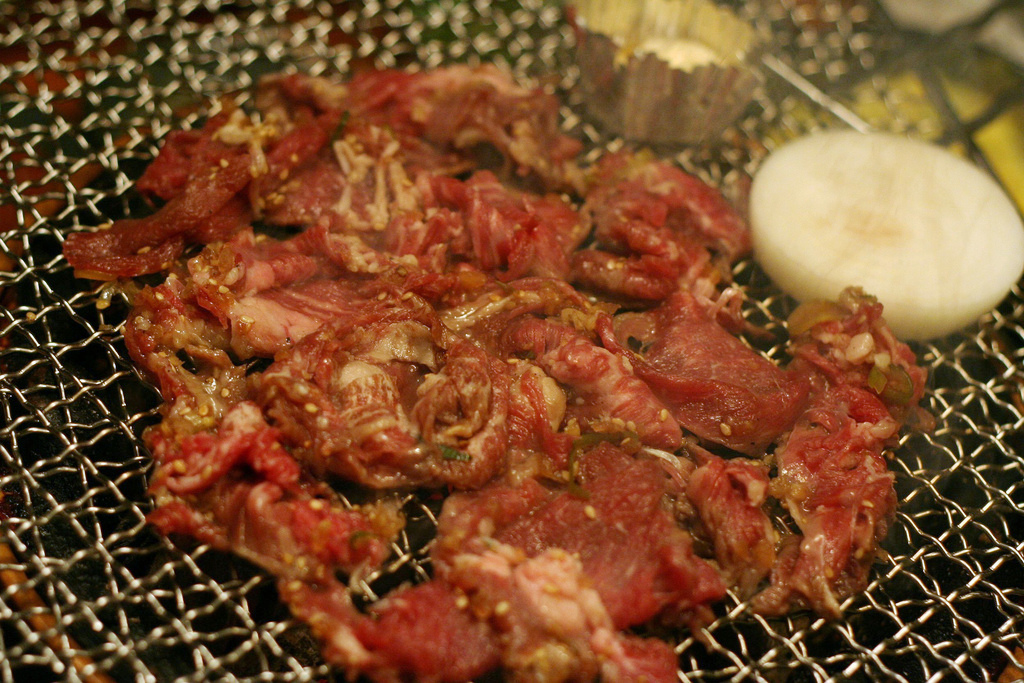
Bulgogi is made from beef cut into thin slices, often using tender cuts like sirloin or ribeye. The meat is soaked in a seasoned marinade, which can include soy sauce, sweeteners, sesame oil, garlic, and sometimes fruit such as pear for extra tenderness. Once marinated, the beef is grilled over open heat or cooked in a pan. The finished dish is savory and slightly sweet, with a glossy appearance and a rich aroma from the marinade and grilled meat. Sometimes vegetables like onions or mushrooms are cooked alongside the beef.
Where does Bulgogi come from?
The roots of bulgogi trace back to the Goguryeo period, where it was known as maekjeok and cooked on skewers. Later, during the Joseon era, it was called neobiani, meaning 'spread thin,' and was a dish for the upper classes. The name bulgogi, which means 'fire meat,' comes from the Pyongan region of what is now North Korea. Refugees from Pyongan brought the dish to Seoul and other parts of South Korea, where it became widely enjoyed. The term was first recorded in Korean dictionaries in the mid-20th century.
How is Bulgogi made?
To prepare bulgogi, beef is sliced thinly and left to soak in a marinade that combines salty, sweet, and aromatic ingredients. The marinade may include soy sauce, sugar or honey, sesame oil, garlic, black pepper, and sometimes fruit purée such as pear or kiwi to help soften the meat. Some cooks add mushrooms, scallions, or ginger. After marinating, the beef is cooked quickly over a grill or in a hot pan. In restaurants, diners may grill the meat themselves at the table. Occasionally, noodles or extra vegetables are added.



How and when is Bulgogi eaten?
Bulgogi is commonly eaten as a main dish for lunch or dinner. It is often served with steamed rice and a variety of side dishes, such as kimchi and egg soup. Lettuce or perilla leaves may be provided for wrapping pieces of meat, sometimes with a dab of ssamjang (a spicy paste) and a bit of rice. In Korean barbecue restaurants, people gather around a table grill to cook and share the meat together. Bulgogi is enjoyed year-round and is a popular choice for gatherings and special meals.
Kinds of Bulgogi
While beef is the most common, bulgogi can also be made with pork or chicken. Pork belly is a favored cut for the pork version, and spicy marinades using chili paste are popular, especially for pork bulgogi. Some recipes add noodles or extra vegetables, and the marinade ingredients can differ by region or family tradition. There are also bulgogi-flavored fast food items, like burgers, in South Korea.
What Bulgogi means
Bulgogi holds a special place in Korean food culture, symbolizing both everyday comfort and festive gatherings. It appears in barbecue restaurants where diners cook together at the table, reinforcing its role in social meals. The dish is so well-known that its name is found in English dictionaries, and it has inspired fusion foods such as bulgogi hamburgers. Its popularity spans from home kitchens to upscale dining.
Questions people ask about Bulgogi
What is bulgogi made of?
Bulgogi is made from thin slices of beef, usually sirloin or ribeye, marinated with a mix of sauces, sweeteners, and aromatics such as garlic, sesame oil, and sometimes fruit like pear.
Where does bulgogi come from?
Bulgogi originated in the Pyongan region, now part of North Korea, and became popular throughout South Korea after being introduced by refugees.
How is bulgogi cooked?
The marinated beef is grilled over open heat or cooked in a pan. In Korean barbecue restaurants, diners often grill the meat themselves at the table.
What do you eat with bulgogi?
Bulgogi is usually served with rice and a variety of side dishes such as kimchi. Lettuce or perilla leaves may be provided for wrapping the meat with rice and sauce.
Are there different types of bulgogi?
Yes, besides beef, bulgogi can be made with pork or chicken. Some versions are spicy, especially those using pork and chili paste in the marinade.
Good reading and sources
The facts on this page come from the Wikipedia article "Bulgogi", written by its contributors and used under the CC BY-SA 4.0 licence, and from its Wikidata record (CC0). Thali rewrote the text in its own words, with AI assistance, and compares every page with the article to make sure no passage is copied. It may be reused under the same CC BY-SA 4.0 licence with a link back.
It may contain mistakes, and it is not dietary or allergy advice: recipes differ from cook to cook. If something is wrong, tell us. Last refreshed 2026-10-03.
More from South Korea
All the food of South Korea KabochaVeganカボチャ
🇯🇵 Japan and 5 moreA sweet, dense winter squash with edible skin, used in Japanese and Asian cooking
Main dish, Lunch, Dinner
KabochaVeganカボチャ
🇯🇵 Japan and 5 moreA sweet, dense winter squash with edible skin, used in Japanese and Asian cooking
Main dish, Lunch, Dinner
 Bibimbap비빔밥
🇰🇷 South Korea and 1 moreKorean rice bowl with mixed vegetables, meat, egg and chili paste
Main dish, Lunch, Dinner
Bibimbap비빔밥
🇰🇷 South Korea and 1 moreKorean rice bowl with mixed vegetables, meat, egg and chili paste
Main dish, Lunch, Dinner
 Udonうどん / 饂飩
🇯🇵 Japan and 4 moreThick wheat noodles served hot or cold in Japanese cooking
Noodle or pasta dish, Lunch, Dinner
Udonうどん / 饂飩
🇯🇵 Japan and 4 moreThick wheat noodles served hot or cold in Japanese cooking
Noodle or pasta dish, Lunch, Dinner
Its cousins elsewhere
All main dishes GoulashMeatgulyás
🇭🇺 Hungary and 5 moreA paprika-spiced meat and vegetable soup from Hungary
Soup, Lunch, Dinner
GoulashMeatgulyás
🇭🇺 Hungary and 5 moreA paprika-spiced meat and vegetable soup from Hungary
Soup, Lunch, Dinner
 Rocoto rellenoMeat
🇵🇪 PeruPeruvian stuffed rocoto peppers baked with meat and cheese
Main dish, Lunch, Dinner
Beef bourguignonMeatBœuf bourguignon
🇫🇷 FranceFrench beef stew simmered in red wine with onions, mushrooms and herbs
Stew or curry, Lunch, Dinner
Rocoto rellenoMeat
🇵🇪 PeruPeruvian stuffed rocoto peppers baked with meat and cheese
Main dish, Lunch, Dinner
Beef bourguignonMeatBœuf bourguignon
🇫🇷 FranceFrench beef stew simmered in red wine with onions, mushrooms and herbs
Stew or curry, Lunch, Dinner
 PljeskavicaMeatпљескавица
🇷🇸 Serbia and 5 moreGrilled Balkan patty of spiced minced meats, served hot with sides or in flatbread
Main dish, Lunch, Dinner
PljeskavicaMeatпљескавица
🇷🇸 Serbia and 5 moreGrilled Balkan patty of spiced minced meats, served hot with sides or in flatbread
Main dish, Lunch, Dinner