
Cachapa
Venezuelan corn pancakes often filled with cheese and served hot
Cachapa is a Venezuelan dish made from a thick batter of fresh ground corn, cooked like a pancake on a griddle. It is most often eaten folded around soft cheese, sometimes with fried pork or other fillings, and is a common street food as well as a breakfast or appetizer. The batter includes corn, milk, sugar, salt, and butter, giving cachapas a sweet and savory flavor.
- Cachapas are made from a batter of fresh ground corn.
- They are commonly filled with soft, handmade cheese.
- The dish is cooked on a griddle, giving a crisp outside.
- Cachapas are a popular Venezuelan street food.
- Versions with fried pork or sweet toppings also exist.
What is Cachapa?
Cachapa is a golden, thick pancake made from a batter of fresh corn, milk, sugar, salt, and melted butter. The batter is cooked on a flat griddle, creating a crisp outside and a soft, moist interior. Cachapas are usually folded and filled with queso de mano, a mild, stretchy white cheese, and sometimes served with fried pork. Their yellow color comes from the corn, and the texture is chunkier than typical pancakes because of the pieces of corn in the mix.
Where does Cachapa come from?
Cachapa has deep roots in Venezuela, with indigenous communities making similar corn cakes long before European contact. Grinding fresh corn and cooking it on a hot surface was a widespread practice among groups such as the Chaima, Yanomami, Arawak, and Parias. The dish has remained popular for centuries, evolving from a rural staple to a food found everywhere from roadside stalls to restaurants. The use of sweet corn and the tradition of eating cachapas for special occasions in the north-central region of Venezuela are longstanding.
How is Cachapa made?
To make cachapas, tender corn kernels are blended with milk, sugar, salt, and melted butter to form a thick, slightly lumpy batter. This mixture is spooned onto a hot griddle or budare, where it cooks until the outside is browned and crisp. The pancake is then folded, often around slices of fresh cheese, and sometimes served with extras like fried pork or a dollop of cream. Some versions are boiled in corn leaves rather than griddled.

How and when is Cachapa eaten?
Cachapas are enjoyed hot, usually folded in half and stuffed with cheese. They are a common breakfast or snack, especially at roadside stands, but can also be served as an appetizer or a light lunch. Margarine or butter is sometimes spread inside, and fillings can range from the classic queso de mano to cream, jam, or pork. The dish is popular across all kinds of eateries, from street carts to restaurants.
Kinds of Cachapa
While the classic cachapa is griddled and filled with cheese, there are other forms like cachapa de hoja, which is wrapped in corn leaves and boiled. Some versions use canned or frozen corn for convenience. Fillings can be elaborate, including different cheeses, cream, or sweet toppings. In Costa Rica, a similar corn pancake called chorreadas is made. The dish can be adapted for vegetarian or gluten-free diets.
What Cachapa means
Cachapas are a staple of Venezuelan life, sold by street vendors and in restaurants alike. The word 'cachapera' refers to places that specialize in this food. Corn is central to Venezuelan cooking, and cachapas are one of several corn-based dishes that are part of daily meals. Their long history and continued popularity reflect their importance in the country's food culture.
Questions people ask about Cachapa
What is cachapa made of?
Cachapa is made from a batter of fresh corn kernels, milk, sugar, salt, and melted butter. The mixture is cooked on a griddle and often filled with soft cheese.
Where does cachapa come from?
Cachapa comes from Venezuela, where it has been a traditional food for centuries, with roots in indigenous cooking.
How is cachapa usually served?
Cachapa is typically served hot, folded in half, and filled with queso de mano, a soft white cheese. Sometimes it comes with fried pork or other fillings.
Is cachapa sweet or savory?
Cachapa has both sweet and savory notes, as the batter includes sugar along with salt and butter, and it is usually paired with cheese.
Are there vegetarian versions of cachapa?
Yes, vegetarian cachapas are common, especially when filled only with cheese or cream. The dish can also be adapted to gluten-free diets.
Good reading and sources
The facts on this page come from the Wikipedia article "Cachapa", written by its contributors and used under the CC BY-SA 4.0 licence, and from its Wikidata record (CC0). Thali rewrote the text in its own words, with AI assistance, and compares every page with the article to make sure no passage is copied. It may be reused under the same CC BY-SA 4.0 licence with a link back.
It may contain mistakes, and it is not dietary or allergy advice: recipes differ from cook to cook. If something is wrong, tell us. Last refreshed 2026-10-03.
More from Venezuela
All the food of Venezuela TocinoMeat
🇵🇭 Philippines and 5 moreCured or fried pork enjoyed in Spain, the Philippines, and the Caribbean
Main dish, Breakfast, Lunch
TocinoMeat
🇵🇭 Philippines and 5 moreCured or fried pork enjoyed in Spain, the Philippines, and the Caribbean
Main dish, Breakfast, Lunch
 Churrochurros
🇪🇸 Spain and 5 moreRidged, deep-fried dough sticks often eaten hot with chocolate or coffee
Sweet or dessert, Breakfast, Snacks
Churrochurros
🇪🇸 Spain and 5 moreRidged, deep-fried dough sticks often eaten hot with chocolate or coffee
Sweet or dessert, Breakfast, Snacks
 Arepa
🇨🇴 Colombia and 5 moreCornmeal flatbread from Colombia and Venezuela, often split and filled
Bread, Breakfast, Lunch
Arepa
🇨🇴 Colombia and 5 moreCornmeal flatbread from Colombia and Venezuela, often split and filled
Bread, Breakfast, Lunch
 Hallaca
🇻🇪 Venezuela and 5 moreCorn dough parcels filled with meat stew and wrapped in plantain leaves
Main dish, Dinner
Hallaca
🇻🇪 Venezuela and 5 moreCorn dough parcels filled with meat stew and wrapped in plantain leaves
Main dish, Dinner
Its cousins elsewhere
All main dishes Crêpe
🇫🇷 FranceThin French pancakes, served sweet or savoury with a range of fillings
Main dish, Breakfast, Lunch
Crêpe
🇫🇷 FranceThin French pancakes, served sweet or savoury with a range of fillings
Main dish, Breakfast, Lunch
 Dampfnudel
🇩🇪 Germany and 3 moreSoft yeast dumplings cooked in a covered pan until golden underneath
Dumpling, Lunch, Dinner
Dampfnudel
🇩🇪 Germany and 3 moreSoft yeast dumplings cooked in a covered pan until golden underneath
Dumpling, Lunch, Dinner
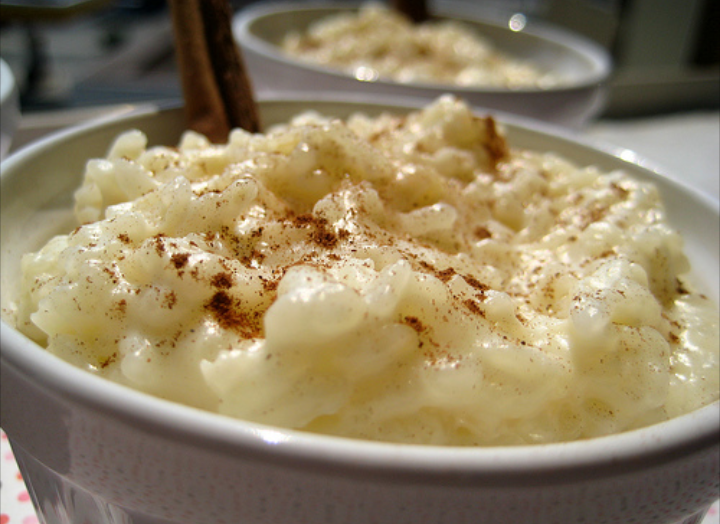 Rice pudding
🇮🇳 India and 4 moreSweetened rice cooked in milk, found in many forms worldwide
Sweet or dessert, Breakfast, Lunch
Zereshk poloMeatزرشکپلو
🇮🇷 Iran and 1 morePersian rice with tart barberries, often served with saffron chicken
Main dish, Lunch, Dinner
Rice pudding
🇮🇳 India and 4 moreSweetened rice cooked in milk, found in many forms worldwide
Sweet or dessert, Breakfast, Lunch
Zereshk poloMeatزرشکپلو
🇮🇷 Iran and 1 morePersian rice with tart barberries, often served with saffron chicken
Main dish, Lunch, Dinner