
Hallaca
Corn dough parcels filled with meat stew and wrapped in plantain leaves
Hallaca is a Venezuelan dish made from cornmeal dough filled with a savory stew of beef, pork, or chicken, along with raisins, olives, and capers. Wrapped in plantain leaves and boiled, it is a central part of Christmas celebrations in Venezuela and also appears in other Latin American countries with regional variations.
- Hallaca is wrapped in plantain leaves and tied with string before boiling
- It is a central part of Venezuelan Christmas celebrations
- The filling combines meat with sweet and salty ingredients like raisins and olives
- Vegetarian hallacas are made with black beans or tofu
- A 400-foot hallaca set a Guinness World Record in Venezuela
What is Hallaca?
Hallaca is a parcel of cornmeal dough filled with a stew, usually made from beef, pork, or chicken, and a mix of ingredients like raisins, capers, olives, onions, and bell peppers. The dough is colored with annatto and enriched with lard or oil, giving it a golden hue. The filling can include both sweet and savory elements, such as raisins and olives, and is often aromatic with garlic and spices. The mixture is wrapped in plantain leaves, tied with string, and boiled, resulting in a firm, flavorful bundle. Vegetarian versions use black beans or tofu instead of meat.
Where does Hallaca come from?
Hallaca is considered Venezuela’s national dish and is closely tied to Christmas. Its roots are indigenous, but the addition of raisins, olives, and capers came with settlers from the Iberian Peninsula in the 16th century. One story says it was created by enslaved people using leftover meats from landowners’ holiday feasts. Over time, it became a festive food enjoyed by all classes. The name may come from indigenous words meaning 'to mix' or 'wrapping.' Hallaca has been documented in Venezuela since at least the 16th century.
How is Hallaca made?
To make hallaca, cornmeal dough is kneaded with broth, lard, and annatto for color. The dough is spread onto greased plantain leaves. A stew, simmered from meats like beef, pork, or chicken with onions, peppers, garlic, and spices, is placed in the center, along with extras like raisins, olives, capers, and sometimes hard-boiled eggs or bacon. The leaf is folded around the filling, tied with string, and the parcels are boiled until set. Some regional versions use cassava dough or add ingredients like chickpeas, almonds, or prunes.


How and when is Hallaca eaten?
Hallaca is most often served at Christmas in Venezuela, as part of a festive meal that may also include pastries and pan de jamón. Preparing hallacas is a social event, with families gathering to assemble them together, often in large batches. In other countries, such as Ecuador, hallacas may be eaten throughout the year. The dish is typically eaten hot, straight from the leaf, and can be made ahead and frozen. It is enjoyed as a main course, especially at dinner during holiday gatherings.
Kinds of Hallaca
Regional and family recipes for hallaca differ in both filling and dough. In the Venezuelan Andes, the meat filling may be uncooked before assembly. On Aruba and Curaçao, the dish is called ayaca and may include cashew nuts, prunes, or pickled onions. Puerto Rican hayaca uses cassava instead of cornmeal and is baked rather than boiled. Some versions are vegetarian, using black beans or tofu. The dish is related to other stuffed leaf parcels in the Caribbean and Latin America, such as pasteles and tamales.
What Hallaca means
Hallaca is a symbol of Venezuelan identity and holiday tradition. Its preparation is a communal activity, bringing families together at Christmas. The dish is so important that a 400-foot hallaca was made in Venezuela in 2014, setting a Guinness World Record. While similar to the tamale, hallaca is seen by Venezuelans as unique, with its own history and cultural meaning. In Ecuador, it is a staple of traditional cuisine, while in Venezuela, it marks the festive season and is a source of national pride.
When Hallaca is on the table
Questions people ask about Hallaca
What is hallaca made of?
Hallaca is made from cornmeal dough filled with a stew of beef, pork, or chicken, along with ingredients like raisins, capers, olives, onions, and bell peppers. The dough is colored with annatto and wrapped in plantain leaves before boiling.
Where does hallaca come from?
Hallaca comes from Venezuela, where it is considered a national dish and is especially associated with Christmas. It is also found in other Latin American countries with regional variations.
When is hallaca usually eaten?
Hallaca is traditionally eaten during the Christmas season in Venezuela, often as part of a festive family meal. In some other countries, it can be eaten year-round.
Is hallaca the same as a tamale?
Hallaca and tamale are similar in that both use corn dough and are cooked in leaves, but hallaca is distinct for its specific filling, use of plantain leaves, and cultural significance in Venezuela. Tamales can have a wider range of fillings and wrappers.
Are there vegetarian versions of hallaca?
Yes, vegetarian hallacas are made using black beans or tofu instead of meat, with the same cornmeal dough and plantain leaf wrapping.
Good reading and sources
The facts on this page come from the Wikipedia article "Hallaca", written by its contributors and used under the CC BY-SA 4.0 licence, and from its Wikidata record (CC0). Thali rewrote the text in its own words, with AI assistance, and compares every page with the article to make sure no passage is copied. It may be reused under the same CC BY-SA 4.0 licence with a link back.
It may contain mistakes, and it is not dietary or allergy advice: recipes differ from cook to cook. If something is wrong, tell us. Last refreshed 2026-10-03.
More from Venezuela
All the food of Venezuela TocinoMeat
🇵🇭 Philippines and 5 moreCured or fried pork enjoyed in Spain, the Philippines, and the Caribbean
Main dish, Breakfast, Lunch
TocinoMeat
🇵🇭 Philippines and 5 moreCured or fried pork enjoyed in Spain, the Philippines, and the Caribbean
Main dish, Breakfast, Lunch
 Arepa
🇨🇴 Colombia and 5 moreCornmeal flatbread from Colombia and Venezuela, often split and filled
Bread, Breakfast, Lunch
Arepa
🇨🇴 Colombia and 5 moreCornmeal flatbread from Colombia and Venezuela, often split and filled
Bread, Breakfast, Lunch
 Cachapa
🇻🇪 VenezuelaVenezuelan corn pancakes often filled with cheese and served hot
Main dish, Breakfast, Snacks
Cachapa
🇻🇪 VenezuelaVenezuelan corn pancakes often filled with cheese and served hot
Main dish, Breakfast, Snacks
 Pabellón criolloMeat
🇻🇪 VenezuelaVenezuelan rice with stewed beef, black beans and often fried plantain
Main dish, Lunch, Dinner
Pabellón criolloMeat
🇻🇪 VenezuelaVenezuelan rice with stewed beef, black beans and often fried plantain
Main dish, Lunch, Dinner
Its cousins elsewhere
All main dishes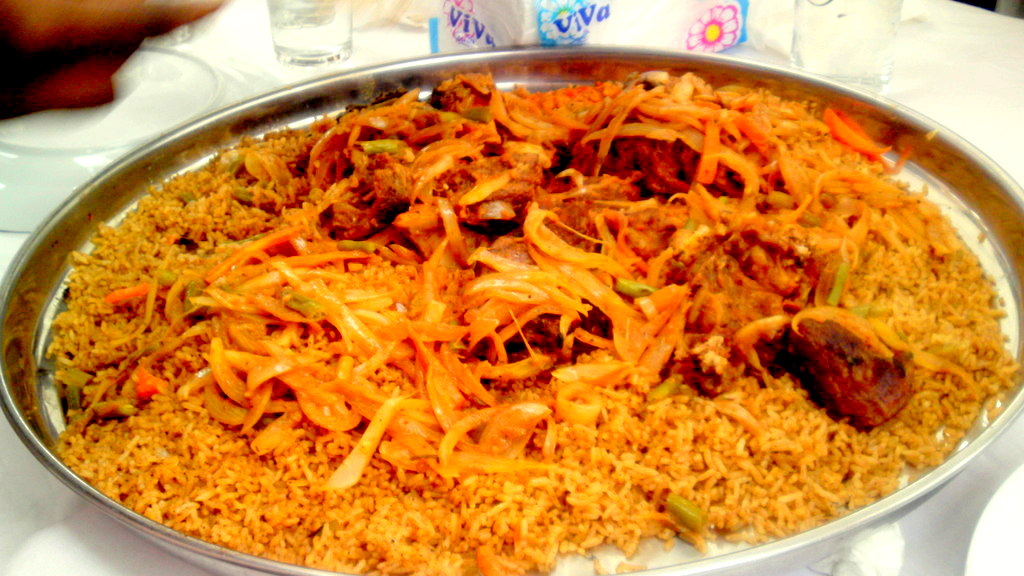 Riz grasMeat
🇧🇫 Burkina Faso and 4 moreWest African rice cooked with meat and vegetables, served hot
Main dish, Lunch, Dinner
Riz grasMeat
🇧🇫 Burkina Faso and 4 moreWest African rice cooked with meat and vegetables, served hot
Main dish, Lunch, Dinner
 ShashlikMeatшашлык
🇷🇺 RussiaSkewered cubes of marinated meat grilled over open coals
Main dish, Dinner, Lunch
ShashlikMeatшашлык
🇷🇺 RussiaSkewered cubes of marinated meat grilled over open coals
Main dish, Dinner, Lunch
 RatatouilleVegan
🇫🇷 FranceA Provençal stew of summer vegetables cooked in olive oil
Main dish, Lunch, Dinner
RatatouilleVegan
🇫🇷 FranceA Provençal stew of summer vegetables cooked in olive oil
Main dish, Lunch, Dinner
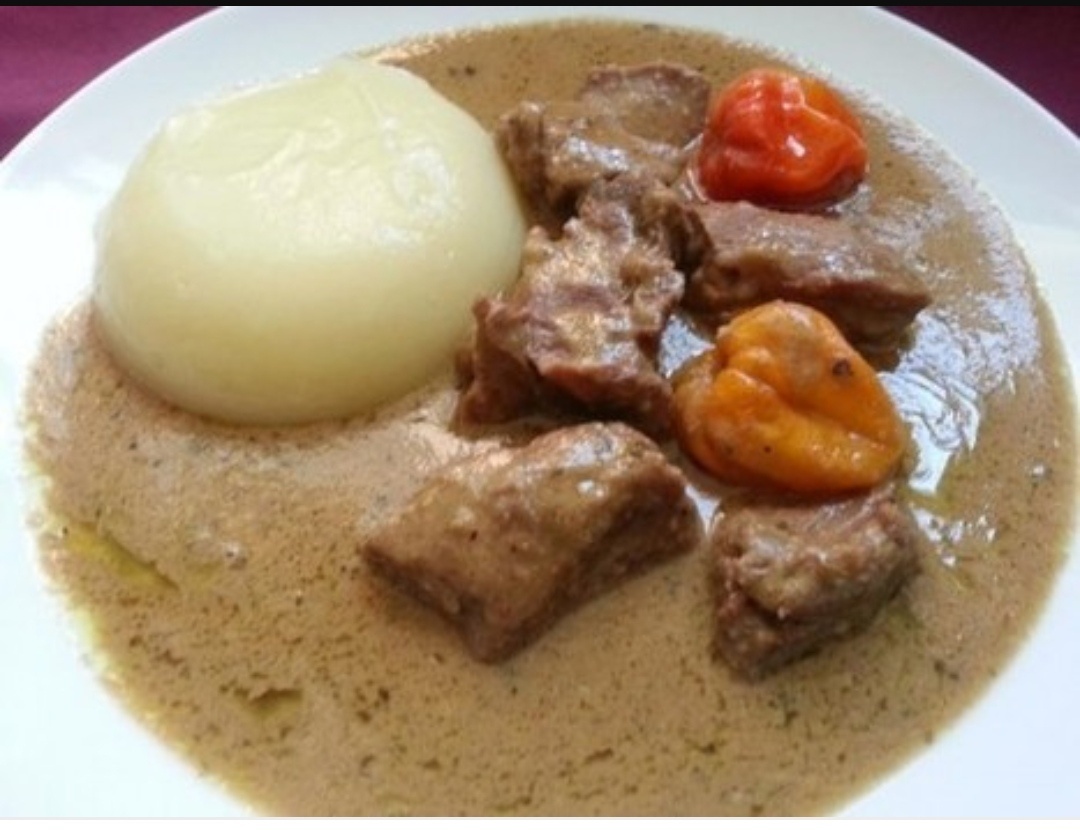 Peanut stew
🇸🇳 Senegal and 5 moreA rich West African stew of meat and vegetables in a spiced peanut sauce
Stew or curry, Lunch, Dinner
Peanut stew
🇸🇳 Senegal and 5 moreA rich West African stew of meat and vegetables in a spiced peanut sauce
Stew or curry, Lunch, Dinner