
Chunchullo
Braided and roasted small intestine, a grill favorite in Latin America
Chunchullo is made from the small intestine of beef, pork, or lamb, grilled or fried and enjoyed across Latin America. It is especially common in Argentina, Uruguay, Paraguay, Peru, Chile, Ecuador, Colombia, Venezuela, and Mexico, often served at barbecues or as street food. Preparation and names vary by country.
- Chunchullo is often the first dish served at an asado barbecue.
- The intestines are usually braided before cooking.
- In Mexico, it is served on tortillas with salsa.
- Known by many names across Latin America.
- Commonly cooked over wood or charcoal.
What is Chunchullo?
Chunchullo is a dish made from the small intestine of beef, pork, or lamb, prepared by grilling, roasting, or frying. The intestines are often braided before cooking, giving them a distinctive appearance. The texture is chewy and the flavor is rich, especially when cooked over wood or charcoal. In some regions, it is served with accompaniments like boiled potatoes, mote (a type of corn), or tortillas. Chunchullo is a common sight at barbecues and street stalls in many Latin American countries.
Where does Chunchullo come from?
Chunchullo has roots in several Latin American countries, with each region adapting the dish to local tastes and customs. In Peru, a version called choncholi is linked to people from Angola who were brought to work in the fields of Ica. Over time, the dish spread and became popular across social groups. In Argentina, Uruguay, and Paraguay, it is a staple at asados, or traditional barbecues. The dish’s presence in many countries reflects both African and local influences.
How is Chunchullo made?
To prepare chunchullo, the small intestine is thoroughly cleaned and sometimes braided. In some countries, it is grilled over wood or charcoal, while in others it is roasted or fried. In Mexico, the intestine may be boiled first to soften it, then fried with garlic and onions and served on tortillas. The cooking process can be lengthy, but the result is a savory, chewy dish. The intestines may be served whole or chopped, depending on local custom.
How and when is Chunchullo eaten?
Chunchullo is typically eaten at lunch or dinner, often as part of a barbecue or as street food. In Argentina, Uruguay, and Paraguay, it is usually the first dish served at an asado. In Ecuador, it may be paired with boiled potatoes or mote, while in Mexico it is served on tortillas with salsa. The dish is enjoyed by people from all backgrounds and is considered an everyday food in the countries where it is popular.
Kinds of Chunchullo
Names and preparation methods for chunchullo vary widely. In Argentina, Uruguay, and Paraguay, it is called chinchulín and roasted; large intestine, called tripa gorda, is sometimes used. In Chile, it is known as chunchules. Ecuador has tripa mishqui in the highlands and tripita in warmer areas, with different accompaniments. In Peru, choncholi is steamed then grilled. In Mexico, tripa de leche is boiled and fried before serving on tortillas. Colombia and Venezuela have their own names and traditions for the dish.
What Chunchullo means
Chunchullo is closely tied to communal eating and gatherings, especially barbecues in the Southern Cone. In Peru, it has roots in Afro-Peruvian culture but is now enjoyed widely. The dish’s presence at asados marks it as a social food, often shared among friends and family. Its popularity as street food in Ecuador and other countries shows its role in everyday life. Chunchullo is also part of a broader tradition of using all parts of the animal in cooking.
Questions people ask about Chunchullo
What is chunchullo made of?
Chunchullo is made from the small intestine of beef, pork, or lamb. The intestines are cleaned, sometimes braided, and then grilled, roasted, or fried depending on the country.
Where does chunchullo come from?
Chunchullo is eaten in many Latin American countries, including Argentina, Uruguay, Paraguay, Peru, Chile, Ecuador, Colombia, Venezuela, and Mexico. Each country has its own name and way of preparing it.
How is chunchullo usually cooked?
Chunchullo is typically grilled or roasted over wood or charcoal. In some places, it is fried or first boiled to soften it. The intestines may be braided before cooking.
How is chunchullo served?
Chunchullo can be served as part of a barbecue, as street food, or on tortillas with salsa. In some regions, it is eaten with boiled potatoes or mote.
What does chunchullo taste like?
Chunchullo has a chewy texture and a rich, savory flavor, especially when cooked over charcoal or wood. The taste and accompaniments vary by region.
Good reading and sources
The facts on this page come from the Wikipedia article "Chunchullo", written by its contributors and used under the CC BY-SA 4.0 licence, and from its Wikidata record (CC0). Thali rewrote the text in its own words, with AI assistance, and compares every page with the article to make sure no passage is copied. It may be reused under the same CC BY-SA 4.0 licence with a link back.
It may contain mistakes, and it is not dietary or allergy advice: recipes differ from cook to cook. If something is wrong, tell us. Last refreshed 2026-10-03.
More from Argentina
All the food of Argentina Pizza
🇮🇹 Italy and 4 moreFlatbread topped with tomato, cheese and baked at high heat
Main dish, Lunch, Dinner
Pizza
🇮🇹 Italy and 4 moreFlatbread topped with tomato, cheese and baked at high heat
Main dish, Lunch, Dinner
 Pie
🇬🇧 United Kingdom and 5 moreA baked dish with a pastry crust and sweet or savoury filling
Main dish, Lunch, Dinner
Pie
🇬🇧 United Kingdom and 5 moreA baked dish with a pastry crust and sweet or savoury filling
Main dish, Lunch, Dinner
 BarbacoaMeat
🇲🇽 Mexico and 3 moreMeat slow-cooked in a pit lined with agave or banana leaves
Main dish, Lunch, Dinner
BarbacoaMeat
🇲🇽 Mexico and 3 moreMeat slow-cooked in a pit lined with agave or banana leaves
Main dish, Lunch, Dinner
 RavioliRavioliai
🇮🇹 Italy and 4 moreStuffed pasta parcels, usually square, with varied fillings and sauces
Main dish, Lunch, Dinner
RavioliRavioliai
🇮🇹 Italy and 4 moreStuffed pasta parcels, usually square, with varied fillings and sauces
Main dish, Lunch, Dinner
Its cousins elsewhere
All main dishes RatatouilleVegan
🇫🇷 FranceA Provençal stew of summer vegetables cooked in olive oil
Main dish, Lunch, Dinner
RatatouilleVegan
🇫🇷 FranceA Provençal stew of summer vegetables cooked in olive oil
Main dish, Lunch, Dinner
 GoulashMeatgulyás
🇭🇺 Hungary and 5 moreA paprika-spiced meat and vegetable soup from Hungary
Soup, Lunch, Dinner
GoulashMeatgulyás
🇭🇺 Hungary and 5 moreA paprika-spiced meat and vegetable soup from Hungary
Soup, Lunch, Dinner
 Taco
🇲🇽 Mexico and 1 moreA folded tortilla filled with meat, beans or vegetables, eaten by hand
Street food, Lunch, Dinner
Taco
🇲🇽 Mexico and 1 moreA folded tortilla filled with meat, beans or vegetables, eaten by hand
Street food, Lunch, Dinner
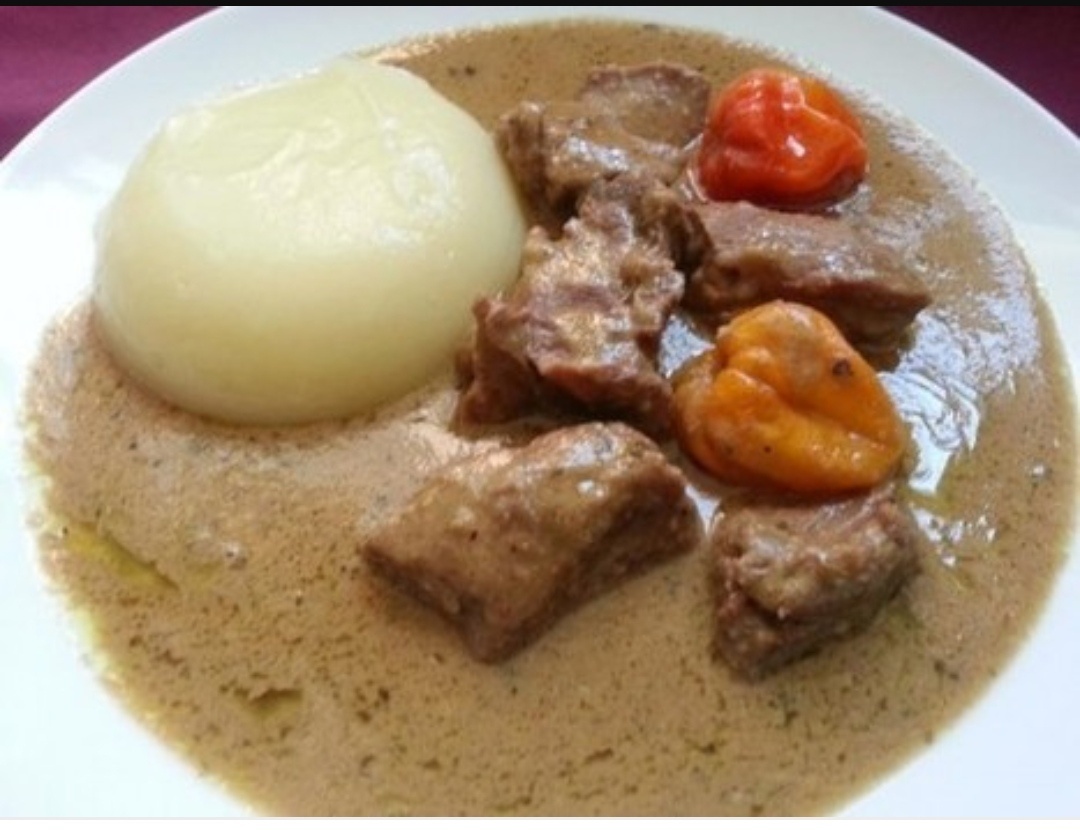 Peanut stew
🇸🇳 Senegal and 5 moreA rich West African stew of meat and vegetables in a spiced peanut sauce
Stew or curry, Lunch, Dinner
Peanut stew
🇸🇳 Senegal and 5 moreA rich West African stew of meat and vegetables in a spiced peanut sauce
Stew or curry, Lunch, Dinner