
Crossing-the-bridge noodles
In its own language: 过桥米线
Yunnan rice noodles served in a hot broth with raw and cooked toppings
Crossing-the-bridge noodles is a specialty from Yunnan, China, featuring rice noodles, a steaming broth, and a mix of raw and cooked ingredients. Diners add meats, vegetables, and noodles to the broth just before eating, letting them cook in the heat. It is a popular meal in Yunnan, often eaten for lunch or breakfast.
- Named for a story about a scholar and his wife crossing a bridge
- Broth stays hot thanks to a layer of chicken fat
- Diners add meats and vegetables to the soup at the table
- Listed as intangible cultural heritage in Kunming since 2008
What is Crossing-the-bridge noodles?
This dish brings together rice noodles, a clear and steaming broth, and a variety of toppings. The soup base is rich, often made from chicken and pork bones, with aromatics like ginger and star anise. A layer of chicken fat floats on top, helping keep the soup hot. Diners receive separate plates of thinly sliced meats, vegetables, and sometimes quail eggs or tofu. These are added to the broth at the table, cooking quickly in the heat. The noodles are soft and slippery, and the soup has a savory, slightly aromatic flavor.
Where does Crossing-the-bridge noodles come from?
Crossing-the-bridge noodles comes from Yunnan province in southwest China, with its roots traced to Mengzi. Local stories say it was created during the Qing Dynasty. The most told tale involves a scholar’s wife who kept his meal warm by carrying hot broth with a layer of oil, combining the ingredients only after crossing a bridge to reach him. This story is often used in Yunnan to represent local values and hospitality. The dish has been recognized as part of Kunming’s intangible cultural heritage since 2008.
How is Crossing-the-bridge noodles made?
To prepare this dish, a broth is simmered from chicken, pork bones, and sometimes ham, flavored with ginger and star anise. Chicken fat is left to form a layer on top, which helps keep the soup hot. The rice noodles are cooked separately. Meats such as chicken or ham, along with vegetables and sometimes quail eggs or tofu, are arranged on plates. At the table, diners add these ingredients to the hot broth, where they cook in a few moments. The soup is then ladled into bowls for eating.


How and when is Crossing-the-bridge noodles eaten?
Crossing-the-bridge noodles is commonly eaten in Yunnan as a filling breakfast or lunch. In restaurants and street stalls, the ingredients are often brought out separately, and diners assemble their own bowls, adding toppings to the hot soup. In some places, the dish arrives already mixed. It is a quick meal, especially in markets, where the process is streamlined for busy mornings. The dish is enjoyed alone or with friends, and is valued for its warmth and flexibility.
Kinds of Crossing-the-bridge noodles
Different regions in Yunnan have their own versions of the noodles. In Kunming, two main types are found: 'dry paste' noodles, which are thin and firm, and 'sour paste' noodles, which are thicker and have a slight tang. Some areas, like Mengzi and Jianshui, are known for their high-quality noodles. Modern shops may offer noodles made with purple rice or other grains, and toppings can include mushrooms or seafood. Vegetarian and halal versions are also served, using vegetable or mushroom broth.
What Crossing-the-bridge noodles means
The dish is a symbol of Yunnan’s food culture and is featured in local festivals and cooking contests. Its recognition as intangible cultural heritage in Kunming highlights its importance to the region’s identity. The story of its origin is celebrated in tourism and local media, and the dish is used to promote Yunnan’s culinary traditions. Crossing-the-bridge noodles has influenced how people in the region eat, especially for breakfast, and remains a staple in both everyday life and special events.
Questions people ask about Crossing-the-bridge noodles
What are crossing-the-bridge noodles made of?
They use rice noodles, a hot broth made from chicken and pork bones, and toppings like sliced meats, vegetables, and sometimes quail eggs or tofu. The broth is flavored with ginger and star anise, and a layer of chicken fat keeps it hot.
Where did crossing-the-bridge noodles originate?
This dish comes from Yunnan province in southwest China, especially the city of Mengzi. It has a long history in the region and is a well-known part of Yunnan cuisine.
How is this dish eaten?
Diners receive a bowl of hot broth and separate plates of raw or lightly cooked ingredients. These are added to the soup at the table, where the heat cooks them quickly. The meal is often eaten for breakfast or lunch.
Are there different kinds of crossing-the-bridge noodles?
Yes, there are regional varieties. Some noodles are thin and firm, while others are thick and slightly sour. Modern versions may use purple rice or offer vegetarian and halal options.
Why is it called 'crossing-the-bridge' noodles?
The name comes from a local story about a woman who carried hot soup across a bridge to her husband, keeping the ingredients separate until she arrived so the meal would stay warm and fresh.
Good reading and sources
- Crossing-the-bridge noodles on WikipediaEncyclopedia
- More photos on Wikimedia CommonsPhotos
- Wikidata recordOpen data
The facts on this page come from the Wikipedia article "Crossing-the-bridge noodles", written by its contributors and used under the CC BY-SA 4.0 licence, and from its Wikidata record (CC0). Thali rewrote the text in its own words, with AI assistance, and compares every page with the article to make sure no passage is copied. It may be reused under the same CC BY-SA 4.0 licence with a link back.
It may contain mistakes, and it is not dietary or allergy advice: recipes differ from cook to cook. If something is wrong, tell us. Last refreshed 2026-10-03.
More from China
All the food of China Pasta
🇮🇹 Italy and 1 moreUnleavened dough shaped and cooked, a staple of Italian cuisine
Main dish, Lunch, Dinner
Pasta
🇮🇹 Italy and 1 moreUnleavened dough shaped and cooked, a staple of Italian cuisine
Main dish, Lunch, Dinner
 RamenMeatラーメン
🇯🇵 Japan and 1 moreJapanese noodle soup with Chinese-style wheat noodles in hot broth
Soup, Lunch, Dinner
RamenMeatラーメン
🇯🇵 Japan and 1 moreJapanese noodle soup with Chinese-style wheat noodles in hot broth
Soup, Lunch, Dinner
 Lei chaVegan擂茶
🇨🇳 China and 3 moreA Hakka tea-based drink or soup made with ground tea, nuts, seeds and grains
Drink
Lei chaVegan擂茶
🇨🇳 China and 3 moreA Hakka tea-based drink or soup made with ground tea, nuts, seeds and grains
Drink
 Shanghai fried noodlesMeat上海粗炒
🇨🇳 ChinaThick wheat noodles stir-fried with beef or pork, bok choy, and onion
Main dish, Lunch, Dinner
Shanghai fried noodlesMeat上海粗炒
🇨🇳 ChinaThick wheat noodles stir-fried with beef or pork, bok choy, and onion
Main dish, Lunch, Dinner
Its cousins elsewhere
All soups Maraqمرق
🇸🇴 Somalia and 3 moreSomali and Arabian meat or vegetable soup served with rice or bread
Soup, Lunch, Dinner
Maraqمرق
🇸🇴 Somalia and 3 moreSomali and Arabian meat or vegetable soup served with rice or bread
Soup, Lunch, Dinner
 Chicken soupMeat
🇺🇸 United States and 4 moreA hot soup of chicken simmered with vegetables, noodles or grains
Soup, Lunch, Dinner
Chicken soupMeat
🇺🇸 United States and 4 moreA hot soup of chicken simmered with vegetables, noodles or grains
Soup, Lunch, Dinner
 Pot-au-feu
🇫🇷 FranceFrench boiled meat and vegetable stew served in two courses
Stew or curry, Lunch, Dinner
Pot-au-feu
🇫🇷 FranceFrench boiled meat and vegetable stew served in two courses
Stew or curry, Lunch, Dinner
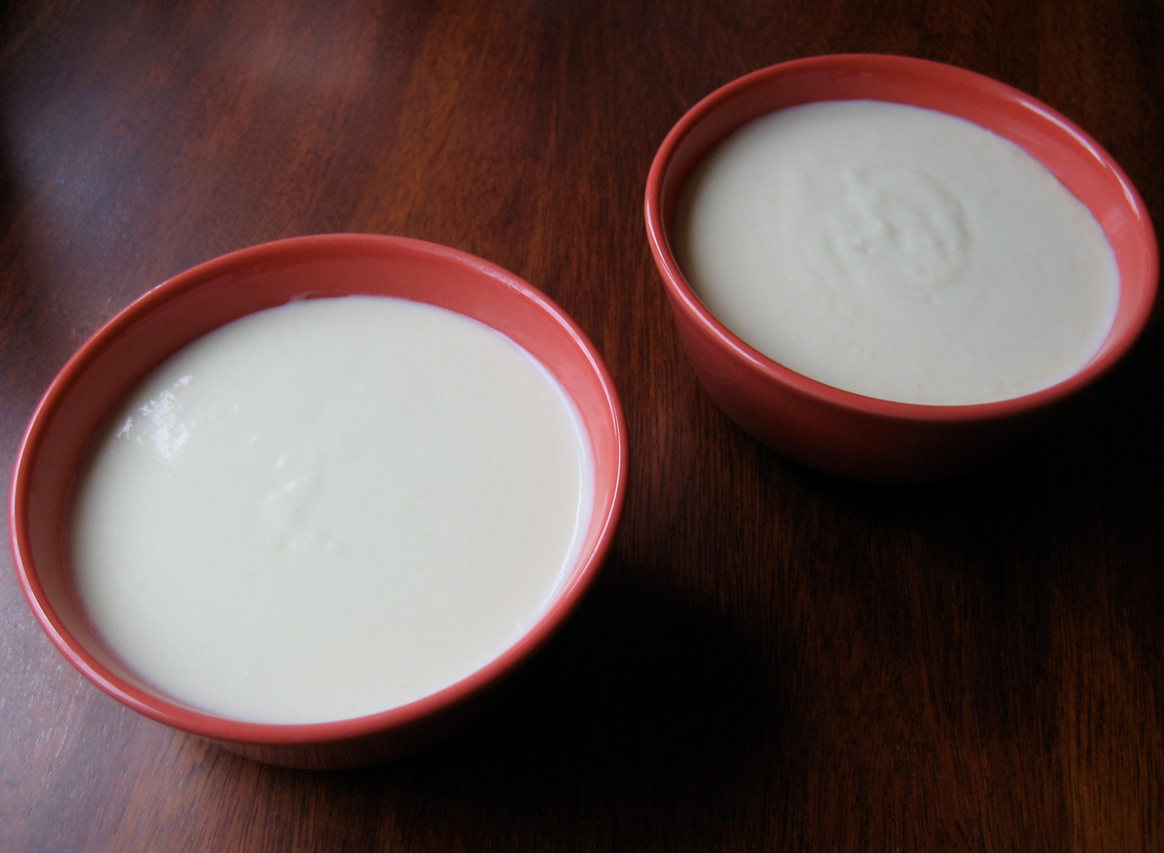 VichyssoiseVegetarian
🇫🇷 FranceChilled soup of puréed leek, potato, onion and cream
Soup
VichyssoiseVegetarian
🇫🇷 FranceChilled soup of puréed leek, potato, onion and cream
Soup