
Curau
Brazilian sweet custard made from unripe corn, milk and sugar
Curau is a Brazilian dessert with a creamy, custard-like texture, made by cooking the juice of unripe maize with milk and sugar. It is enjoyed warm or cool, often dusted with cinnamon, and goes by different names in various regions of Brazil.
- Made from unripe corn juice, milk, and sugar
- Served warm and creamy or cool and firm
- Often topped with powdered cinnamon
- Known by different names in regions of Brazil
- A giant version is made yearly for Festa de São João
What is Curau?
Curau is a Brazilian dessert with a smooth, custard-like consistency. It is made by extracting the juice from grated unripe maize (corn) and cooking it with milk and sugar. Sometimes coconut milk or condensed milk is used instead of part of the milk, and a bit of butter or salt may be added. Once thickened, it is poured into cups or molds and often sprinkled with powdered cinnamon. Served warm, it is creamy; when cool, it firms up like a custard.
Where does Curau come from?
Curau comes from Brazil and is especially known in the southern states, where the name 'curau' is used. In other regions, it is called 'corá', 'papa-de-milho', or 'canjica'. The dessert uses unripe maize, reflecting the importance of corn in Brazilian cooking. The tradition of making curau is tied to local customs and festivals, especially in rural areas. It has a long-standing presence in Brazilian sweets and is prepared in various forms across the country.
How is Curau made?
To make curau, kernels are grated from unripe corn cobs and placed in a cloth bag. Milk is added gradually as the bag is squeezed to extract the corn juice. This liquid is then mixed with sugar and sometimes butter or salt, and cooked on the stove while stirring until it thickens to a creamy texture. The mixture is then poured into containers and left to set. It can be served warm or cooled, and is usually finished with a dusting of cinnamon.

How and when is Curau eaten?
Curau is eaten as a dessert or snack, either warm and creamy or cool and set. It is popular in homes and at festivals, especially during Festa de São João, a major June festival in Brazil. People often enjoy it in small cups or molds, sometimes as part of a larger spread of sweets. The cinnamon topping is a common finishing touch, adding aroma and flavor.
Kinds of Curau
Names and recipes for curau vary by region. In Minas Gerais, it is called 'corá'; in Rio de Janeiro, 'papa-de-milho'; and in northern Brazil, 'canjica'. The milk can be partly replaced with coconut milk or condensed milk. In the southern states, 'canjica' refers to a different dessert made from whole white corn kernels. Each region adapts the basic idea to local tastes and ingredients.
What Curau means
Curau is closely linked to Brazilian festivals, especially Festa de São João, where it is a staple treat. In Caruaru, a city in northeast Brazil, a giant version of 'canjica' is made every year for the festival, using thousands of ears of corn. The dessert is part of the country's culinary heritage and reflects the role of corn in Brazilian celebrations and daily life.
Questions people ask about Curau
What is curau made of?
Curau is made from grated unripe maize (corn), milk, and sugar. Sometimes coconut milk, condensed milk, butter, or a pinch of salt are added. It is usually topped with powdered cinnamon.
Where does curau come from?
Curau comes from Brazil and is especially common in the southern states, though it is known by other names in different regions. It is a traditional Brazilian dessert.
How is curau served?
Curau can be served warm, when it is creamy, or cool, when it sets like a custard. It is typically poured into cups or molds and dusted with cinnamon before serving.
Is curau vegetarian?
Yes, curau is vegetarian. It contains no meat or fish, and is made mainly from corn, milk, and sugar.
Is curau eaten at festivals?
Yes, curau is a popular treat during Brazilian festivals, especially Festa de São João, where it is often prepared in large quantities for celebrations.
Good reading and sources
The facts on this page come from the Wikipedia article "Curau", written by its contributors and used under the CC BY-SA 4.0 licence, and from its Wikidata record (CC0). Thali rewrote the text in its own words, with AI assistance, and compares every page with the article to make sure no passage is copied. It may be reused under the same CC BY-SA 4.0 licence with a link back.
It may contain mistakes, and it is not dietary or allergy advice: recipes differ from cook to cook. If something is wrong, tell us. Last refreshed 2026-10-03.
More from Brazil
All the food of Brazil ÉclairVegetarian
🇫🇷 France and 2 moreChoux pastry filled with cream and topped with icing
Pie or savoury pastry, Snacks, Tea time
ÉclairVegetarian
🇫🇷 France and 2 moreChoux pastry filled with cream and topped with icing
Pie or savoury pastry, Snacks, Tea time
 Churrochurros
🇪🇸 Spain and 5 moreRidged, deep-fried dough sticks often eaten hot with chocolate or coffee
Sweet or dessert, Breakfast, Snacks
Churrochurros
🇪🇸 Spain and 5 moreRidged, deep-fried dough sticks often eaten hot with chocolate or coffee
Sweet or dessert, Breakfast, Snacks
 Dulce de lecheVegetarian
🇦🇷 Argentina and 2 moreA sweet, spreadable milk and sugar confection from Latin America
Sweet or dessert, Snacks, Tea time
Dulce de lecheVegetarian
🇦🇷 Argentina and 2 moreA sweet, spreadable milk and sugar confection from Latin America
Sweet or dessert, Snacks, Tea time
 Crème caramelVegetarian
🇫🇷 France and 5 moreCustard dessert topped with a layer of liquid caramel
Sweet or dessert
Crème caramelVegetarian
🇫🇷 France and 5 moreCustard dessert topped with a layer of liquid caramel
Sweet or dessert
Its cousins elsewhere
All sweets and desserts Apple pieVegetarian
🇬🇧 United Kingdom and 5 moreA baked pie with apple filling and pastry crust, served hot or cold
Sweet or dessert, Snacks
Apple pieVegetarian
🇬🇧 United Kingdom and 5 moreA baked pie with apple filling and pastry crust, served hot or cold
Sweet or dessert, Snacks
 Crêpe
🇫🇷 FranceThin French pancakes, served sweet or savoury with a range of fillings
Main dish, Breakfast, Lunch
Crêpe
🇫🇷 FranceThin French pancakes, served sweet or savoury with a range of fillings
Main dish, Breakfast, Lunch
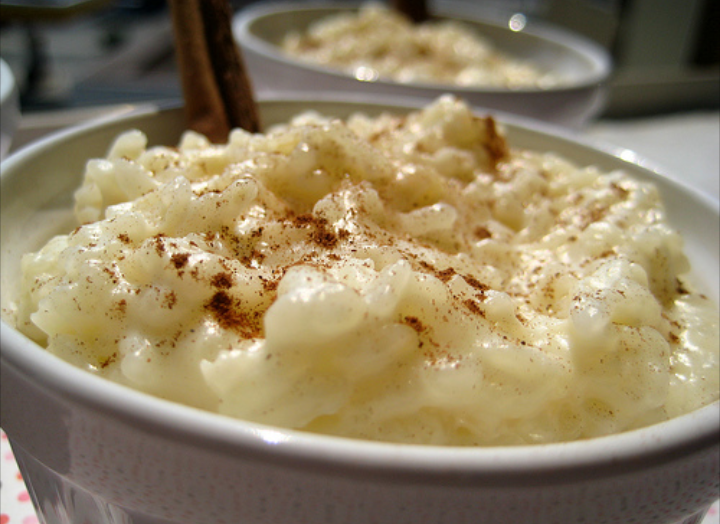 Rice pudding
🇮🇳 India and 4 moreSweetened rice cooked in milk, found in many forms worldwide
Sweet or dessert, Breakfast, Lunch
Rice pudding
🇮🇳 India and 4 moreSweetened rice cooked in milk, found in many forms worldwide
Sweet or dessert, Breakfast, Lunch
 BriocheVegetarianune brioche
🇫🇷 FranceFrench bread made with eggs and butter, often shaped in rounds or loaves
Bread, Breakfast, Snacks
BriocheVegetarianune brioche
🇫🇷 FranceFrench bread made with eggs and butter, often shaped in rounds or loaves
Bread, Breakfast, Snacks