
Espetada
Portuguese skewered meat grilled over coals, often served with bread or polenta
Espetada is a Portuguese dish of meat grilled on skewers, especially popular in Madeira. Beef, pork, or a mix of meats are seasoned and cooked over hot coals, sometimes with vegetables or sausage between the pieces. It is usually served hot with bread, fried polenta, rice, or potatoes.
- Madeira's espetada uses bay laurel branches as skewers
- Commonly served with bolo do caco bread or fried polenta
- Meat is seasoned with garlic, salt, pepper, and bay leaf
- Espetada can include beef, pork, chicken, or seafood
- Sometimes presented hanging from a stand at the table
What is Espetada?
Espetada is a dish where chunks of meat are threaded onto skewers and grilled over hot coals or wood chips. The most common meats are beef and pork, but chicken, turkey, monkfish, or squid can also be used. Sometimes, pieces of bell pepper, onion, or slices of chouriço (a Portuguese sausage) are added between the meat. In Madeira, beef is often skewered on bay laurel sticks, which add a subtle aroma. The finished espetada is served hot, sometimes still on the skewer, and can be presented hanging from a stand.
Where does Espetada come from?
Espetada comes from Portugal and is especially tied to Madeira, where it is a local specialty. The Madeiran version is said to have started in the Strait of Câmara de Lobos. The technique of cooking food on skewers is traditional in Portuguese cuisine, and the word 'espetada' refers both to the method and the dish. Over time, the dish spread to other regions and countries, including Brazil, where it is known as 'espetinho.'
How is Espetada made?
To make espetada, meat is cut into cubes and seasoned with salt, pepper, garlic, and bay leaf. The pieces are threaded onto skewers, sometimes alternating with vegetables or chouriço. In Madeira, bay laurel branches are used as skewers for extra flavor. The skewers are cooked over hot coals or wood chips until the meat is browned outside and cooked through. The dish is usually served hot, straight from the grill.


How and when is Espetada eaten?
Espetada is eaten as a main course, often at lunch or dinner. In Madeira, it is common to serve it with bolo do caco, a local bread, or with milho frito, which are fried pieces of set polenta. White rice, potatoes, and salad are also typical accompaniments. The juices from the meat are often soaked up with bread or polenta. Sometimes, espetada is served on a hanging skewer for a striking presentation at the table.
Kinds of Espetada
While beef and pork are most common, other meats like chicken, turkey, monkfish, and squid are also used for espetada. The Brazilian version, called espetinho, follows the same skewer-grilling method but may use different meats and seasonings. Some versions include vegetables or sausage between the meat pieces. The Madeiran style is distinct for its use of bay laurel skewers and specific local sides.
What Espetada means
Espetada is a well-known part of Portuguese and Madeiran food culture and is often enjoyed at gatherings and celebrations. Grilling espetada outdoors is a social activity, and the dish is featured at festivals and community events. Its presentation, sometimes hanging from a stand, adds to its festive feel. The dish reflects the importance of grilling and shared meals in Portuguese tradition.
Questions people ask about Espetada
What is espetada made of?
Espetada is made of cubes of meat, usually beef or pork, threaded onto skewers and grilled. Sometimes chicken, turkey, monkfish, or squid are used, with vegetables or chouriço added between the pieces.
Where does espetada come from?
Espetada is a traditional Portuguese dish, especially associated with Madeira. The Madeiran version is said to have originated in the Strait of Câmara de Lobos.
How is espetada cooked?
The meat is cut into cubes, seasoned with salt, pepper, garlic, and bay leaf, then threaded onto skewers and grilled over hot coals or wood chips until cooked.
What is usually served with espetada?
It is commonly served with bolo do caco (a local bread), fried polenta (milho frito), white rice, potatoes, or salad. The bread or polenta is often used to soak up the meat juices.
Is espetada always made with beef?
No, while beef is common, pork, chicken, turkey, monkfish, or squid can also be used, and sometimes vegetables or chouriço are added.
Good reading and sources
The facts on this page come from the Wikipedia article "Espetada", written by its contributors and used under the CC BY-SA 4.0 licence, and from its Wikidata record (CC0). Thali rewrote the text in its own words, with AI assistance, and compares every page with the article to make sure no passage is copied. It may be reused under the same CC BY-SA 4.0 licence with a link back.
It may contain mistakes, and it is not dietary or allergy advice: recipes differ from cook to cook. If something is wrong, tell us. Last refreshed 2026-10-03.
More from Portugal
All the food of Portugal Cataplana
🇵🇹 PortugalSeafood and meat stew cooked in a sealed metal vessel from Portugal's Algarve
Main dish, Lunch, Dinner
Cataplana
🇵🇹 PortugalSeafood and meat stew cooked in a sealed metal vessel from Portugal's Algarve
Main dish, Lunch, Dinner
 ChorizoMeat
🇪🇸 Spain and 5 moreA seasoned pork sausage from the Iberian Peninsula, made in many regional styles
Sausage or cured food, Breakfast, Lunch
ChorizoMeat
🇪🇸 Spain and 5 moreA seasoned pork sausage from the Iberian Peninsula, made in many regional styles
Sausage or cured food, Breakfast, Lunch
 Empanada
🇪🇸 Spain and 5 morePastry turnovers filled with meat, cheese, or vegetables, baked or fried
Pie or savoury pastry, Lunch, Dinner
Empanada
🇪🇸 Spain and 5 morePastry turnovers filled with meat, cheese, or vegetables, baked or fried
Pie or savoury pastry, Lunch, Dinner
 VindalooMeat
🇮🇳 India and 2 moreA spicy curry of meat, vinegar and chili from Goa, now found worldwide
Main dish, Lunch, Dinner
VindalooMeat
🇮🇳 India and 2 moreA spicy curry of meat, vinegar and chili from Goa, now found worldwide
Main dish, Lunch, Dinner
Its cousins elsewhere
All main dishes KalderetaMeat
🇵🇭 PhilippinesFilipino stew of meat, vegetables and liver paste in a spiced tomato sauce
Main dish, Lunch, Dinner
KalderetaMeat
🇵🇭 PhilippinesFilipino stew of meat, vegetables and liver paste in a spiced tomato sauce
Main dish, Lunch, Dinner
 Barbecue in the United StatesMeat
🇺🇸 United StatesMeat slow-cooked over wood smoke, a tradition rooted in the American South
Main dish, Lunch, Dinner
Barbecue in the United StatesMeat
🇺🇸 United StatesMeat slow-cooked over wood smoke, a tradition rooted in the American South
Main dish, Lunch, Dinner
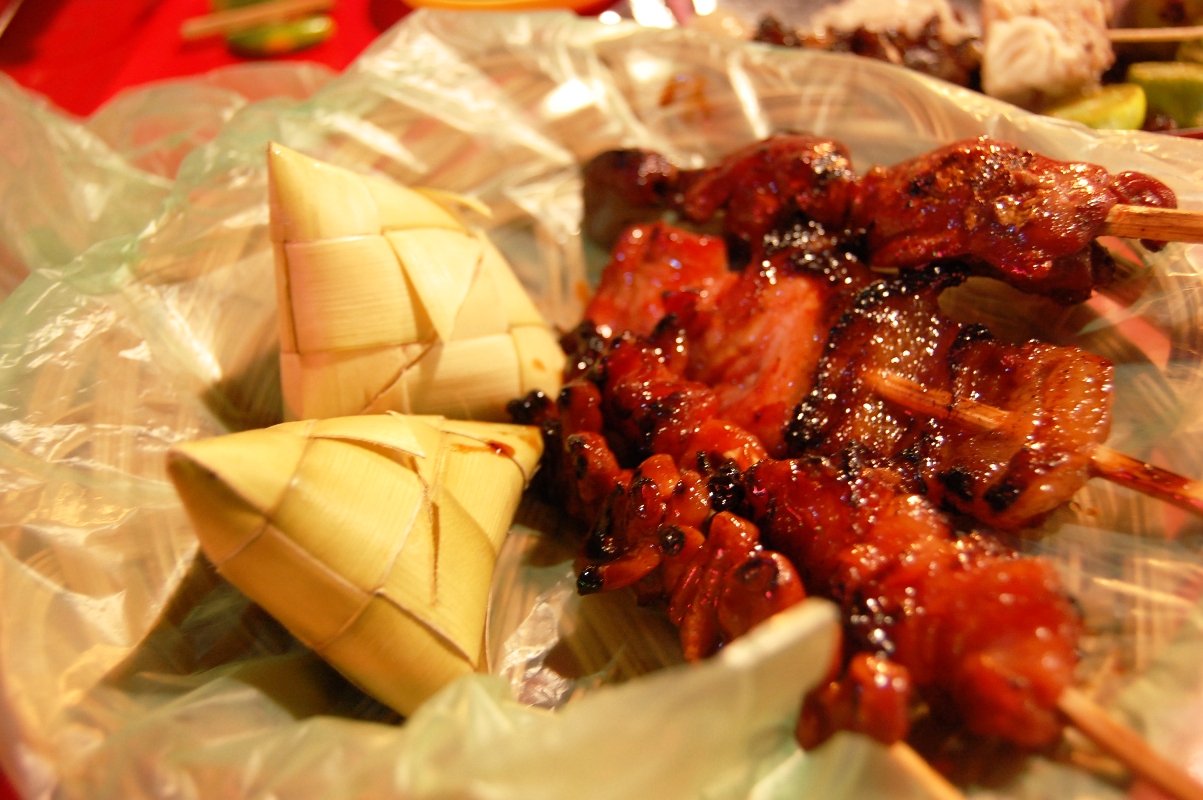 Inihaw
🇵🇭 PhilippinesGrilled meats and seafood, often on skewers, from the Philippines
Main dish, Lunch, Dinner
Inihaw
🇵🇭 PhilippinesGrilled meats and seafood, often on skewers, from the Philippines
Main dish, Lunch, Dinner
 Japanese curryMeatカレー
🇯🇵 Japan and 2 moreA thick, mildly spiced curry sauce served with rice, noodles or bread
Main dish, Lunch, Dinner
Japanese curryMeatカレー
🇯🇵 Japan and 2 moreA thick, mildly spiced curry sauce served with rice, noodles or bread
Main dish, Lunch, Dinner