
Kaldereta
Filipino stew of meat, vegetables and liver paste in a spiced tomato sauce
Kaldereta is a Filipino stew made with goat, beef, pork, or chicken, simmered with vegetables and liver paste in a tomato-based sauce. It is eaten across the Philippines as both an everyday meal and at festive gatherings, often featuring potatoes, carrots, bell peppers, and a touch of chili.
- Traditionally made with goat, but beef, pork, or chicken are common too
- Liver paste is a signature ingredient in the sauce
- Tomatoes, potatoes, carrots, and bell peppers are always included
- Served hot with rice for lunch or dinner
- Popular at both everyday meals and special occasions
What is Kaldereta?
Kaldereta is a Filipino meat stew, most often made with goat, beef, pork, or chicken. The meat is cooked slowly with vegetables such as potatoes, carrots, and bell peppers. A key feature is the addition of liver paste, which gives the sauce a rich, savory depth. The sauce is tomato-based, sometimes with tomato paste or sauce, and is spiced with red chilies for a gentle heat. Olives and hot peppers may be included for extra flavor. The finished dish is hearty, with tender meat and a thick, flavorful sauce.
Where does Kaldereta come from?
Kaldereta takes its name from the Spanish word 'caldera', reflecting its roots in Spanish cooking. The dish was adapted in the Philippines from a Spanish stew, which was traditionally made with goat or fish in the Iberian Peninsula. Filipino cooks recreated the dish using local meats and vegetables, making it their own. Over time, it became a staple across the country, especially in Luzon. Kaldereta is closely related to other Filipino tomato-based stews like afritada and mechado.
How is Kaldereta made?
To make kaldereta, chunks of meat are browned and then simmered with aromatics like onion and garlic. Vegetables such as potatoes, carrots, and bell peppers are added. Liver spread is stirred into the sauce, along with tomato paste or sauce, and the mixture is cooked until thick and the flavors meld. Red chilies or hot peppers provide a mild to moderate spiciness. The stew is finished when the meat is tender and the sauce is rich.


How and when is Kaldereta eaten?
Kaldereta is served hot, usually as a main dish for lunch or dinner. It is commonly eaten with steamed rice, which helps soak up the flavorful sauce. The dish appears on everyday family tables as well as at special occasions and celebrations. It is enjoyed both at home and during gatherings, where it is often prepared in large batches to share.
Kinds of Kaldereta
While goat is traditional, kaldereta is also made with beef, pork, or chicken, depending on preference and availability. Some versions include olives or hot peppers for extra flavor. The sauce may be thickened with flour or enriched with butter. Each household or region may have its own twist, but the use of liver paste and a tomato base remains central.
What Kaldereta means
Kaldereta is a familiar part of Filipino life, eaten both as a regular meal and at festive events. It is especially popular in Luzon, particularly Southern Tagalog. The dish reflects the blending of Spanish and Filipino culinary traditions. Kaldereta is often compared to afritada and mechado, highlighting the Filipino love for hearty, tomato-based stews.
Questions people ask about Kaldereta
What is kaldereta made of?
Kaldereta is made with meat such as goat, beef, pork, or chicken, cooked with vegetables like potatoes, carrots, and bell peppers. The sauce includes liver paste, tomato paste or sauce, and is often spiced with red chilies.
Where does kaldereta come from?
Kaldereta comes from the Philippines. Its name and origins trace back to the Spanish dish 'caldera', which Filipino cooks adapted using local ingredients.
How is kaldereta usually served?
Kaldereta is served hot, typically as a main dish for lunch or dinner, and is eaten with steamed rice. It is enjoyed both on regular days and during celebrations.
Are there different types of kaldereta?
Yes, while goat is traditional, kaldereta is also made with beef, pork, or chicken. Some versions include olives or hot peppers, and each household may have its own variation.
What makes kaldereta different from other Filipino stews?
Kaldereta stands out for its use of liver paste in the sauce, which gives it a rich, savory flavor, and for its mild spiciness from red chilies. It shares similarities with afritada and mechado but is distinct in taste and preparation.
Good reading and sources
The facts on this page come from the Wikipedia article "Kaldereta", written by its contributors and used under the CC BY-SA 4.0 licence, and from its Wikidata record (CC0). Thali rewrote the text in its own words, with AI assistance, and compares every page with the article to make sure no passage is copied. It may be reused under the same CC BY-SA 4.0 licence with a link back.
It may contain mistakes, and it is not dietary or allergy advice: recipes differ from cook to cook. If something is wrong, tell us. Last refreshed 2026-10-03.
More from the Philippines
All the food of the Philippines SpaghettiVegan
🇮🇹 Italy and 2 moreLong, thin pasta strands made from durum wheat and water
Noodle or pasta dish, Lunch, Dinner
SpaghettiVegan
🇮🇹 Italy and 2 moreLong, thin pasta strands made from durum wheat and water
Noodle or pasta dish, Lunch, Dinner
 Paella
🇪🇸 Spain and 1 moreRice cooked with meat, seafood or vegetables in a wide shallow pan from Valencia
Main dish, Lunch
Paella
🇪🇸 Spain and 1 moreRice cooked with meat, seafood or vegetables in a wide shallow pan from Valencia
Main dish, Lunch
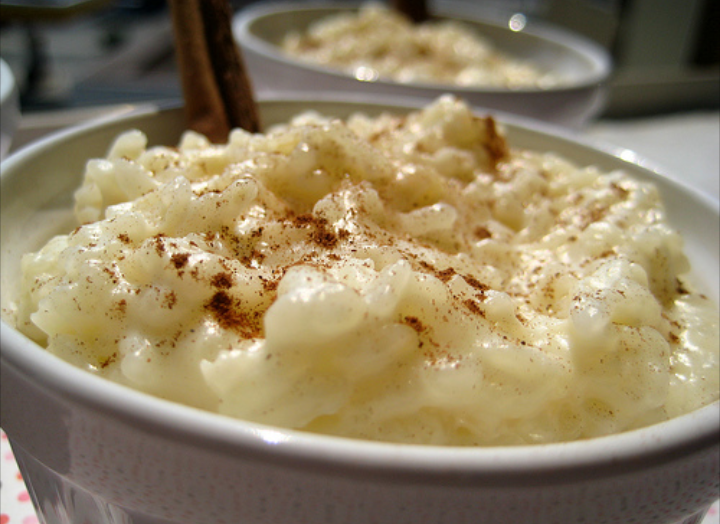 Rice pudding
🇮🇳 India and 4 moreSweetened rice cooked in milk, found in many forms worldwide
Sweet or dessert, Breakfast, Lunch
Rice pudding
🇮🇳 India and 4 moreSweetened rice cooked in milk, found in many forms worldwide
Sweet or dessert, Breakfast, Lunch
 Oxtail stewMeat
🇮🇹 Italy and 4 moreStew made with oxtail, found in many world cuisines
Stew or curry, Lunch, Dinner
Oxtail stewMeat
🇮🇹 Italy and 4 moreStew made with oxtail, found in many world cuisines
Stew or curry, Lunch, Dinner
Its cousins elsewhere
All main dishes GoulashMeatgulyás
🇭🇺 Hungary and 5 moreA paprika-spiced meat and vegetable soup from Hungary
Soup, Lunch, Dinner
GoulashMeatgulyás
🇭🇺 Hungary and 5 moreA paprika-spiced meat and vegetable soup from Hungary
Soup, Lunch, Dinner
 Rocoto rellenoMeat
🇵🇪 PeruPeruvian stuffed rocoto peppers baked with meat and cheese
Main dish, Lunch, Dinner
Rocoto rellenoMeat
🇵🇪 PeruPeruvian stuffed rocoto peppers baked with meat and cheese
Main dish, Lunch, Dinner
 Pot-au-feu
🇫🇷 FranceFrench boiled meat and vegetable stew served in two courses
Stew or curry, Lunch, Dinner
Pot-au-feu
🇫🇷 FranceFrench boiled meat and vegetable stew served in two courses
Stew or curry, Lunch, Dinner
 EspetadaMeat
🇵🇹 Portugal and 1 morePortuguese skewered meat grilled over coals, often served with bread or polenta
Main dish, Lunch, Dinner
EspetadaMeat
🇵🇹 Portugal and 1 morePortuguese skewered meat grilled over coals, often served with bread or polenta
Main dish, Lunch, Dinner