
Fit-fit
Shredded flatbread mixed with spiced butter and berbere, eaten for breakfast
Fit-fit is a breakfast dish from Ethiopia and Eritrea, made by tearing flatbread such as injera or kitcha into pieces and mixing them with spiced clarified butter and berbere, a chili-based spice blend. The mixture is often combined with onions and sometimes leftover stews or yogurt, with regional variations.
- Fit-fit is made by mixing torn flatbread with spiced butter and berbere.
- It is a typical breakfast in Ethiopia and Eritrea.
- Injera fit-fit and kitcha fit-fit are the two main versions.
- Leftover stews or yogurt are sometimes added for extra flavor.
- The dish can be eaten with the hand or a spoon, depending on the type.
What is Fit-fit?
Fit-fit is a dish where flatbread, either the tangy, spongy injera or the plain, unleavened kitcha, is torn into small pieces and mixed with a sauce made from niter kibbeh (a seasoned clarified butter), berbere (a chili and spice blend), and often onions. The result is a moist, flavorful mix, sometimes with a reddish color from the spices. In Eritrea and Ethiopia, it may also include leftover stews, cubed meat, or be served with yogurt or raw chili peppers. The texture is soft and the taste is rich and spicy.
Where does Fit-fit come from?
Fit-fit comes from Ethiopia and Eritrea, where it is a common breakfast food. Its name has several forms in local languages, including fir-fir and chechebsaa. The dish is closely tied to the use of traditional breads and the region’s distinctive spiced butter and chili blends. Over time, fit-fit has developed two main types based on the bread used: injera fit-fit, using sour fermented flatbread, and kitcha fit-fit, made with a simple unleavened bread.
How is Fit-fit made?
To prepare fit-fit, injera or kitcha is torn or cut into bite-sized pieces. These are then combined with a sauce made by heating niter kibbeh with berbere and sometimes onions. The bread pieces soak up the spiced butter and seasonings. Depending on the region or household, additional ingredients like leftover stews, cubed meat, or boiled eggs may be mixed in. Kitcha fit-fit can be finished with a spoonful of plain yogurt.

How and when is Fit-fit eaten?
Fit-fit is mainly eaten for breakfast in Ethiopia and Eritrea. It can be served in a bowl or on a plate, sometimes with extra injera underneath. People may eat it with their right hand or use a spoon, especially for kitcha fit-fit. In Eritrea, it is common to add leftover meat sauces and serve it with raw chili peppers and yogurt. In Ethiopia, leftover wat (stew) is often included.
Kinds of Fit-fit
There are two main kinds: injera fit-fit and kitcha fit-fit. Injera fit-fit uses the sour, spongy flatbread and is sometimes called taita fit-fit in Tigrinya. Kitcha fit-fit, also known as chechebsa, uses a simple, unleavened bread. Both types may be adapted with local ingredients, such as adding leftover stews, meat, or eggs. The name of the added ingredient is often used as a prefix, like shiro fit-fit when shiro stew is included.
What Fit-fit means
Fit-fit is a staple breakfast in Ethiopian and Eritrean homes. It reflects the importance of bread and communal eating in these cultures. The dish is also a practical way to use leftover bread and stews, making it both resourceful and comforting. Its preparation and sharing are part of daily life, and its variations show the diversity of local food traditions.
Questions people ask about Fit-fit
What is fit-fit made of?
Fit-fit is made by tearing injera or kitcha flatbread into pieces and mixing them with niter kibbeh (spiced clarified butter), berbere (a chili spice blend), and often onions. Some versions include leftover stews, meat, or yogurt.
Where does fit-fit come from?
Fit-fit is from Ethiopia and Eritrea, where it is a common breakfast dish. It is part of the local food culture and uses traditional breads and spices from the region.
What are the main types of fit-fit?
There are two main types: injera fit-fit, which uses sour fermented flatbread, and kitcha fit-fit, made with unleavened bread. Both are mixed with spiced butter and berbere.
Is fit-fit spicy?
Fit-fit usually has a spicy flavor because berbere, a chili-based spice blend, is a key ingredient. The level of heat can vary depending on how much berbere is used.
How is fit-fit usually eaten?
Fit-fit is eaten for breakfast, either with the right hand or a spoon. It may be served in a bowl or on a plate, sometimes with yogurt or raw chili peppers on the side.
Good reading and sources
The facts on this page come from the Wikipedia article "Fit-fit", written by its contributors and used under the CC BY-SA 4.0 licence, and from its Wikidata record (CC0). Thali rewrote the text in its own words, with AI assistance, and compares every page with the article to make sure no passage is copied. It may be reused under the same CC BY-SA 4.0 licence with a link back.
It may contain mistakes, and it is not dietary or allergy advice: recipes differ from cook to cook. If something is wrong, tell us. Last refreshed 2026-10-03.
More from Ethiopia
All the food of Ethiopia HilbetVeganሕልበት
🇪🇷 Eritrea and 1 moreCreamy vegan dip of fava beans, lentils and spices from Eritrea and Ethiopia
Main dish, Lunch, Dinner
OodkacMeat
🇸🇴 Somalia and 3 moreSomali preserved meat cubes cooked and stored in butter
Main dish, Breakfast, Lunch
HilbetVeganሕልበት
🇪🇷 Eritrea and 1 moreCreamy vegan dip of fava beans, lentils and spices from Eritrea and Ethiopia
Main dish, Lunch, Dinner
OodkacMeat
🇸🇴 Somalia and 3 moreSomali preserved meat cubes cooked and stored in butter
Main dish, Breakfast, Lunch
 KochoVeganቆጮ
🇪🇹 EthiopiaFermented flatbread made from the enset plant in Ethiopia
Bread, Lunch, Dinner
KochoVeganቆጮ
🇪🇹 EthiopiaFermented flatbread made from the enset plant in Ethiopia
Bread, Lunch, Dinner
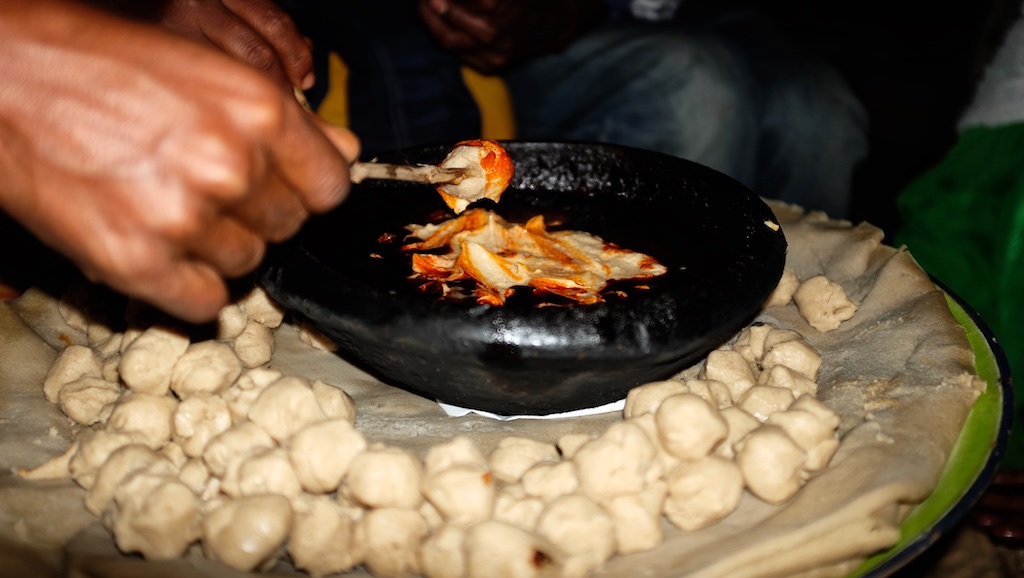 TihloMeatጥሕሎ
🇪🇹 EthiopiaBarley dough balls served with spicy meat stew from Tigray, Ethiopia
Main dish, Snacks, Lunch
TihloMeatጥሕሎ
🇪🇹 EthiopiaBarley dough balls served with spicy meat stew from Tigray, Ethiopia
Main dish, Snacks, Lunch
Its cousins elsewhere
All breads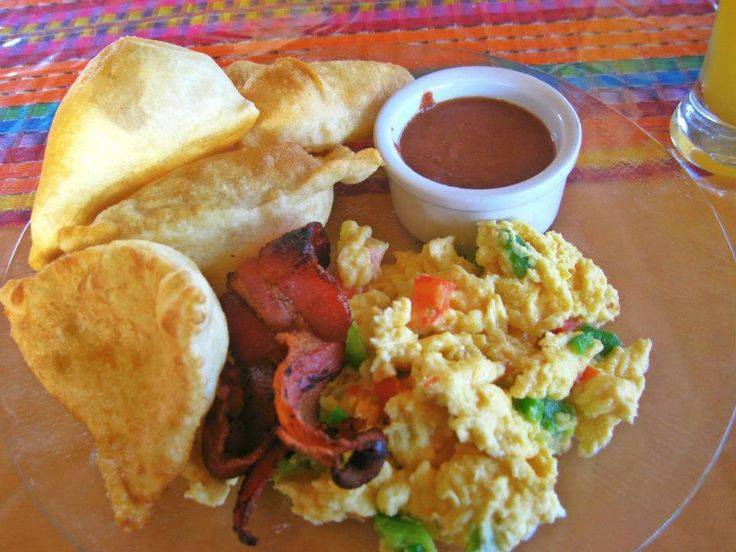 Fry jackVegetarian
🇧🇿 BelizeDeep-fried breakfast dough from Belize, served plain or with sweet or savoury toppings
Bread, Breakfast
Fry jackVegetarian
🇧🇿 BelizeDeep-fried breakfast dough from Belize, served plain or with sweet or savoury toppings
Bread, Breakfast
 LahmacunMeat
🇸🇾 Syria and 3 moreThin flatbread baked with a topping of minced meat, vegetables and herbs
Main dish, Lunch, Dinner
LahmacunMeat
🇸🇾 Syria and 3 moreThin flatbread baked with a topping of minced meat, vegetables and herbs
Main dish, Lunch, Dinner
 tarte flambéeMeatFlammekueche
🇫🇷 France and 1 moreAlsatian flatbread topped with cream, onions and bacon, baked in a wood-fired oven
Main dish
tarte flambéeMeatFlammekueche
🇫🇷 France and 1 moreAlsatian flatbread topped with cream, onions and bacon, baked in a wood-fired oven
Main dish
 FattoushVeganفتوش
🇱🇧 Lebanon and 6 moreLevantine salad of toasted pita, mixed greens, and vegetables
Salad or side
FattoushVeganفتوش
🇱🇧 Lebanon and 6 moreLevantine salad of toasted pita, mixed greens, and vegetables
Salad or side