
Hiyayakko
In its own language: 冷奴
Chilled tofu served with savoury toppings and soy sauce
Hiyayakko is a Japanese dish of cold tofu topped with savoury ingredients like green onion, dried fish flakes and soy sauce. It is especially popular in summer, when it is served as a refreshing main or side dish. Toppings can vary widely by household and region.
- Hiyayakko means 'cold tofu' in Japanese
- Common toppings include green onion, katsuobushi and soy sauce
- Mentioned in an 18th-century Japanese recipe book
- A traditional summer dish in Japan
What is Hiyayakko?
Hiyayakko is a simple Japanese dish featuring chilled tofu cut into cubes and served with a variety of toppings. The most common garnishes are chopped green onion, katsuobushi (dried skipjack tuna flakes), and a splash of soy sauce. Other toppings can include shiso leaf, grated daikon radish, myoga (a type of ginger), yuzu rind, sliced okra, plum paste, or grated ginger. The tofu is soft and mild, while the toppings add savoury, fresh, or tangy notes.
Where does Hiyayakko come from?
The name hiyayakko combines 'hiya', meaning cold, and 'yakko', which referred to samurai servants in the Edo period who wore a vest with a crest on the shoulders. Cutting tofu into cubes was called 'cutting into yakko'. The dish is mentioned in an 18th-century Japanese recipe book as being so familiar it needed no explanation. In haiku poetry, hiyayakko is a seasonal word for summer, reflecting its role as a cooling food.
How is Hiyayakko made?
To prepare hiyayakko, fresh tofu is chilled and then sliced into cubes. It is placed in a dish and topped with a selection of garnishes, which often include green onion, katsuobushi, and soy sauce. Other toppings such as shiso leaf, grated daikon, or ginger may be added according to taste or local custom. The dish is served cold, with the toppings arranged on top just before eating.


How and when is Hiyayakko eaten?
Hiyayakko is typically enjoyed during the warmer months, as its cold and light nature makes it refreshing in summer. It can be served as a main or as a side dish, often as part of a larger meal. The dish is eaten with chopsticks, and diners may mix the toppings into the tofu or eat them together in each bite. There are no special rituals, but the choice of toppings often reflects personal or regional preferences.
Kinds of Hiyayakko
Toppings for hiyayakko vary widely. While the classic version uses green onion, katsuobushi, and soy sauce, some people add shiso leaf, yuzu rind, grated daikon, myoga, sliced okra, plum paste, or ginger. Each household or restaurant may have its own preferred combination. Some versions are vegetarian, while others include fish flakes.
What Hiyayakko means
Hiyayakko is closely tied to Japanese summer, both in daily meals and in poetry, where it is used as a symbol of the season. Its simplicity and adaptability have made it a staple in Japanese homes and restaurants. The dish reflects the Japanese appreciation for seasonal eating and the subtle flavours of fresh tofu.
Questions people ask about Hiyayakko
What is hiyayakko made of?
Hiyayakko is made of chilled tofu, usually topped with green onion, katsuobushi (dried fish flakes), and soy sauce. Other toppings like shiso leaf, daikon, or ginger may also be used.
Where does hiyayakko come from?
Hiyayakko comes from Japan, where it has been a familiar dish since at least the 18th century. It is especially popular in the summer.
Is hiyayakko vegetarian?
Hiyayakko can be vegetarian if made without katsuobushi, which is dried fish. Many versions include fish flakes, so it depends on the toppings used.
When is hiyayakko usually eaten?
Hiyayakko is most often eaten in summer because it is served cold. It can be a main or a side dish at any meal.
What does hiyayakko taste like?
The tofu is mild and soft, while the toppings add savoury, fresh, or tangy flavours, depending on what is used.
Good reading and sources
The facts on this page come from the Wikipedia article "Hiyayakko", written by its contributors and used under the CC BY-SA 4.0 licence, and from its Wikidata record (CC0). Thali rewrote the text in its own words, with AI assistance, and compares every page with the article to make sure no passage is copied. It may be reused under the same CC BY-SA 4.0 licence with a link back.
It may contain mistakes, and it is not dietary or allergy advice: recipes differ from cook to cook. If something is wrong, tell us. Last refreshed 2026-10-03.
More from Japan
All the food of Japan Pizza
🇮🇹 Italy and 4 moreFlatbread topped with tomato, cheese and baked at high heat
Main dish, Lunch, Dinner
Pizza
🇮🇹 Italy and 4 moreFlatbread topped with tomato, cheese and baked at high heat
Main dish, Lunch, Dinner
 Sushi寿司
🇯🇵 JapanVinegared rice paired with seafood, vegetables or other toppings
Main dish, Lunch, Dinner
TofuVegan豆腐
🇨🇳 China and 5 moreSoft white blocks made by curdling soy milk and pressing the curds
Main dish
Sushi寿司
🇯🇵 JapanVinegared rice paired with seafood, vegetables or other toppings
Main dish, Lunch, Dinner
TofuVegan豆腐
🇨🇳 China and 5 moreSoft white blocks made by curdling soy milk and pressing the curds
Main dish
 Sashimi刺身
🇯🇵 JapanThin slices of raw fish or meat, served with soy sauce and condiments
Main dish, Lunch, Dinner
Sashimi刺身
🇯🇵 JapanThin slices of raw fish or meat, served with soy sauce and condiments
Main dish, Lunch, Dinner
Its cousins elsewhere
All main dishes Poke
🇺🇸 United StatesHawaiian dish of diced raw fish tossed with seasonings and often served over rice
Main dish, Lunch, Dinner
Lomo saltadoMeat
🇵🇪 PeruPeruvian stir-fried beef with onions, tomatoes, fries and rice
Main dish, Lunch, Dinner
Poke
🇺🇸 United StatesHawaiian dish of diced raw fish tossed with seasonings and often served over rice
Main dish, Lunch, Dinner
Lomo saltadoMeat
🇵🇪 PeruPeruvian stir-fried beef with onions, tomatoes, fries and rice
Main dish, Lunch, Dinner
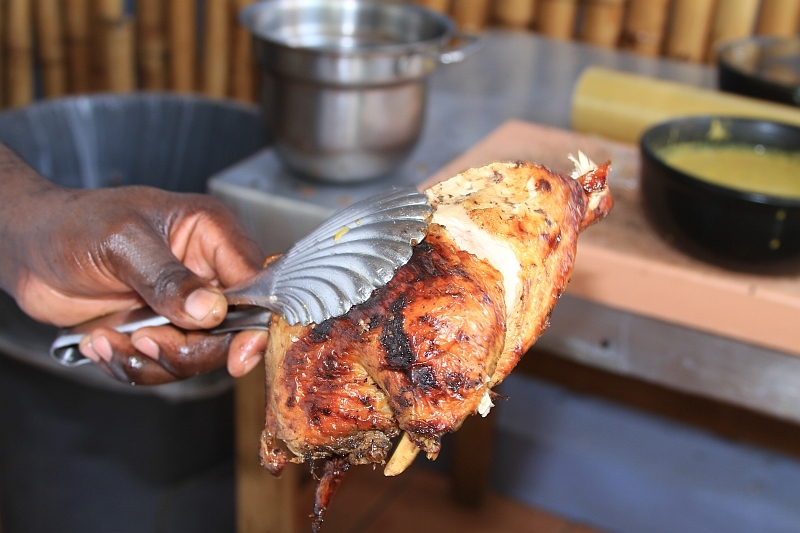 Jerk
🇯🇲 Jamaica and 5 moreMeat marinated with hot spices and smoked over pimento wood
Main dish, Lunch, Dinner
Jerk
🇯🇲 Jamaica and 5 moreMeat marinated with hot spices and smoked over pimento wood
Main dish, Lunch, Dinner
 DrobMeat
🇷🇴 RomaniaRomanian loaf of lamb offal, herbs, eggs and bread, wrapped in caul
Main dish, Lunch, Dinner
DrobMeat
🇷🇴 RomaniaRomanian loaf of lamb offal, herbs, eggs and bread, wrapped in caul
Main dish, Lunch, Dinner