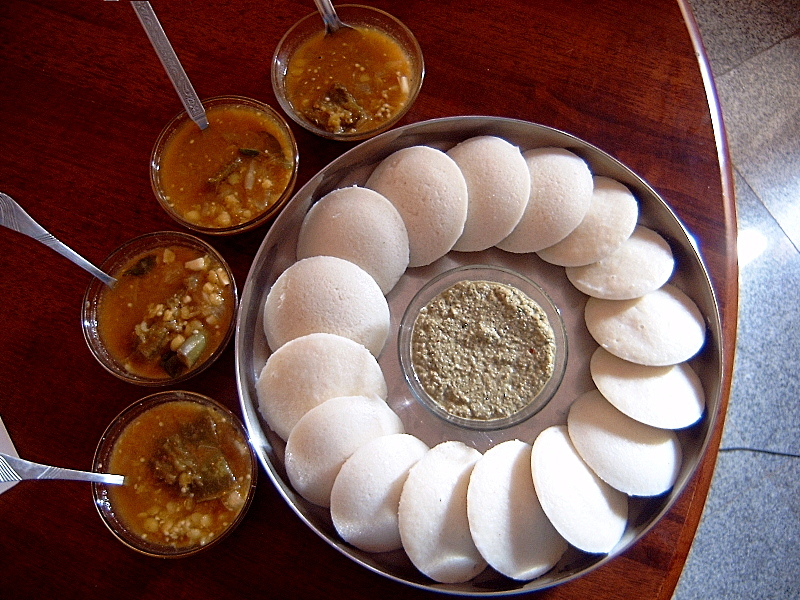
Idli
Steamed cakes of fermented rice and lentil batter from South India and Sri Lanka
Idli is a soft, steamed cake made from a fermented batter of rice and black lentils. Originating in South India and Sri Lanka, it is most often eaten at breakfast or dinner, served hot with chutney or sambar. Fermentation makes the idli light and easy to digest.
- Idli is made from fermented rice and black lentil batter
- It is steamed in molds to become soft and fluffy
- Idli is a staple breakfast in South India and Sri Lanka
- March 30 is celebrated as World Idli Day
- Rava idli is a popular variation made with semolina
What is Idli?
Idli is a small, round, steamed cake made from a batter of rice and hulled black lentils (also called urad dal or Vigna mungo). The batter is fermented, which gives the idli a mild tang and a soft, spongy texture. Idlis are white, fluffy, and about the size of a small saucer. The taste is gentle and slightly sour from fermentation, making them easy to pair with savoury condiments. They are usually served hot, often alongside chutneys or sambar, a spiced lentil stew.
Where does Idli come from?
The earliest forms of idli appear in ancient Indian texts from Karnataka, where they were made only with black gram. Over time, rice was added, and the process of fermenting the batter and steaming it became standard after the 13th century. Some historians suggest the modern idli may have been influenced by Indonesian traditions of fermenting and steaming, but this is debated. References to idli under various names appear in Kannada, Sanskrit, and Tamil works from the 10th to 17th centuries. Today, idli is a staple in South India and Sri Lanka.
How is Idli made?
To make idli, rice and black lentils are soaked separately for several hours, sometimes with fenugreek seeds for extra flavour. The lentils are ground to a smooth paste, the rice to a coarse texture, and both are mixed together. The batter is left to ferment overnight, which makes it rise and develop a mild sourness. The batter is then poured into greased, perforated molds and steamed until set. Traditional methods sometimes use leaves instead of molds. The result is a soft, fluffy cake.


How and when is Idli eaten?
Idli is most commonly eaten for breakfast or dinner. It is served hot, often with coconut chutney, sambar, or spicy onion chutney. In some regions, it is paired with fish curry or dry spice mixes like podi, especially when traveling. Idlis are mild in flavour, so the accompaniments are important for taste. Leftover idlis can be sautéed or made into upma, a savoury stir-fry. Eating idli is a daily routine in many South Indian homes.
Kinds of Idli
There are many types of idli. Rava idli uses semolina instead of rice. Sanna is a regional version from Konkan. Some idlis are stuffed with spiced vegetables, made sweet with sugar, or flavoured with spices like mustard seeds or ginger. Restaurants and home cooks have created fusion dishes such as idli manchurian or fried idli. Instant mixes and electric steamers are now common, making idli easier to prepare outside its home regions.
What Idli means
Idli is a symbol of South Indian and Sri Lankan home cooking and is enjoyed daily by millions. It is celebrated each year on March 30 as World Idli Day, a tradition started in Chennai in 2015. The dish is valued for being light, nutritious, and easy to digest, especially because of its fermentation. Idli has spread with migration, leading to many local and international variations.
Questions people ask about Idli
What is idli made of?
Idli is made from a batter of rice and hulled black lentils (Vigna mungo) that is fermented and then steamed.
Where does idli come from?
Idli comes from South India and Sri Lanka, with early forms mentioned in ancient Indian texts from Karnataka.
How is idli prepared?
Rice and black lentils are soaked, ground, mixed, and fermented overnight. The batter is then steamed in molds until fluffy.
When is idli usually eaten?
Idli is most often eaten for breakfast or dinner, served hot with chutney or sambar.
Are there different types of idli?
Yes, variations include rava idli (with semolina), sanna (a regional type), and stuffed or spiced versions.
Good reading and sources
The facts on this page come from the Wikipedia article "Idli", written by its contributors and used under the CC BY-SA 4.0 licence, and from its Wikidata record (CC0). Thali rewrote the text in its own words, with AI assistance, and compares every page with the article to make sure no passage is copied. It may be reused under the same CC BY-SA 4.0 licence with a link back.
It may contain mistakes, and it is not dietary or allergy advice: recipes differ from cook to cook. If something is wrong, tell us. Last refreshed 2026-10-03.
More from India
All the food of India Kebabكَبَاب
🇹🇷 Turkey and 5 moreGrilled or roasted meat, often on skewers, found across the Middle East and beyond
Main dish, Lunch, Dinner
Kebabكَبَاب
🇹🇷 Turkey and 5 moreGrilled or roasted meat, often on skewers, found across the Middle East and beyond
Main dish, Lunch, Dinner
 Biryani
🇮🇳 India and 5 moreRice and spiced meat or vegetables layered and cooked together
Main dish, Lunch, Dinner
Biryani
🇮🇳 India and 5 moreRice and spiced meat or vegetables layered and cooked together
Main dish, Lunch, Dinner
 French toast
🇫🇷 France and 5 moreBread soaked in egg and milk, pan-fried and served sweet or savoury
Main dish, Breakfast, Snacks
French toast
🇫🇷 France and 5 moreBread soaked in egg and milk, pan-fried and served sweet or savoury
Main dish, Breakfast, Snacks
 Fish and chipsFish or seafood
🇬🇧 United Kingdom and 8 moreBattered fried fish served hot with thick-cut chips
Main dish, Lunch, Dinner
Fish and chipsFish or seafood
🇬🇧 United Kingdom and 8 moreBattered fried fish served hot with thick-cut chips
Main dish, Lunch, Dinner
Its cousins elsewhere
All main dishes Paella
🇪🇸 Spain and 1 moreRice cooked with meat, seafood or vegetables in a wide shallow pan from Valencia
Main dish, Lunch
Blood sausageMeat
🇫🇷 France and 5 moreA sausage made with animal blood, fillers and spices, cooked or dried until firm
Main dish, Lunch, Dinner
Paella
🇪🇸 Spain and 1 moreRice cooked with meat, seafood or vegetables in a wide shallow pan from Valencia
Main dish, Lunch
Blood sausageMeat
🇫🇷 France and 5 moreA sausage made with animal blood, fillers and spices, cooked or dried until firm
Main dish, Lunch, Dinner
 Risotto
🇮🇹 ItalyCreamy Italian rice dish slowly cooked with broth and finished with cheese
Main dish, Lunch, Dinner
Risotto
🇮🇹 ItalyCreamy Italian rice dish slowly cooked with broth and finished with cheese
Main dish, Lunch, Dinner
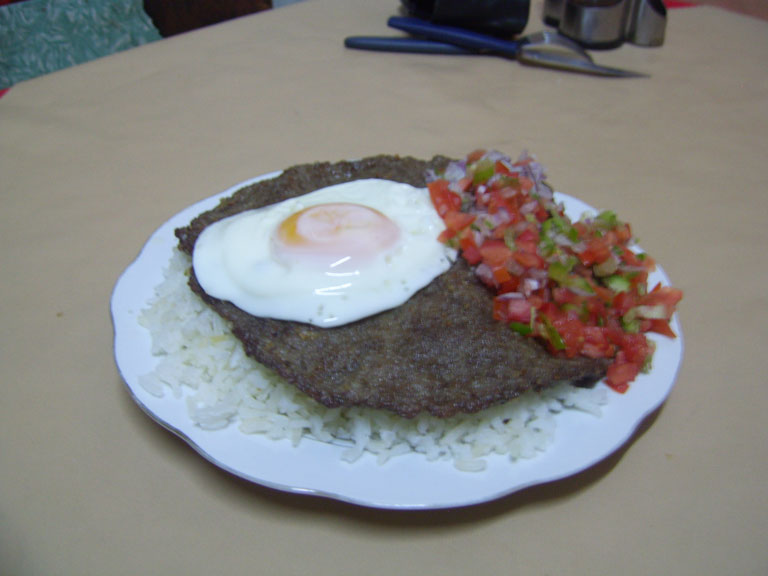 SilpanchoMeatSillp'anchu
🇧🇴 BoliviaLayered Bolivian meal with rice, potatoes, breaded meat, and fried eggs
Main dish, Lunch, Dinner
SilpanchoMeatSillp'anchu
🇧🇴 BoliviaLayered Bolivian meal with rice, potatoes, breaded meat, and fried eggs
Main dish, Lunch, Dinner