
Kamaboko
In its own language: 蒲鉾
Steamed loaf of seasoned white fish paste, often served sliced in Japanese dishes
Kamaboko is a Japanese food made by shaping seasoned white fish paste into loaves and steaming them until firm. Slices of kamaboko are eaten on their own, with sauces, or added to soups and noodle dishes. It is a familiar part of Japanese meals and appears in both everyday and festive settings.
- Made by steaming seasoned white fish paste into firm loaves
- Often served sliced in soups, noodle dishes, or with sauces
- Red and white types are eaten at celebrations for good luck
- Narutomaki features a pink spiral pattern in each slice
- November 15 is marked as Kamaboko Day in Japan
What is Kamaboko?
Kamaboko is a Japanese food made from a smooth paste of white fish, called surimi, which is seasoned and shaped into loaves. These loaves are steamed until they become firm and sliceable. Kamaboko is often found in a half-moon shape, with a pink or red outer layer and a white interior. Some types have decorative patterns, like the spiral design in narutomaki. The taste is mild and slightly savory, and the texture is springy and dense. It is commonly served sliced, either plain or with dipping sauces, and is also added to soups and noodle dishes.
Where does Kamaboko come from?
Kamaboko has roots in Japan dating back to the early 1100s. The earliest versions were made from minced catfish, but over time, a variety of white fish became common. The tradition of shaping and steaming fish paste developed in Japan and has continued for centuries. Today, kamaboko is widely available in Japan and has spread to other places, such as Hawaii, where it is a familiar ingredient. The food has become a symbol of Japanese culinary technique and is recognized for its distinctive appearance and preparation.
How is Kamaboko made?
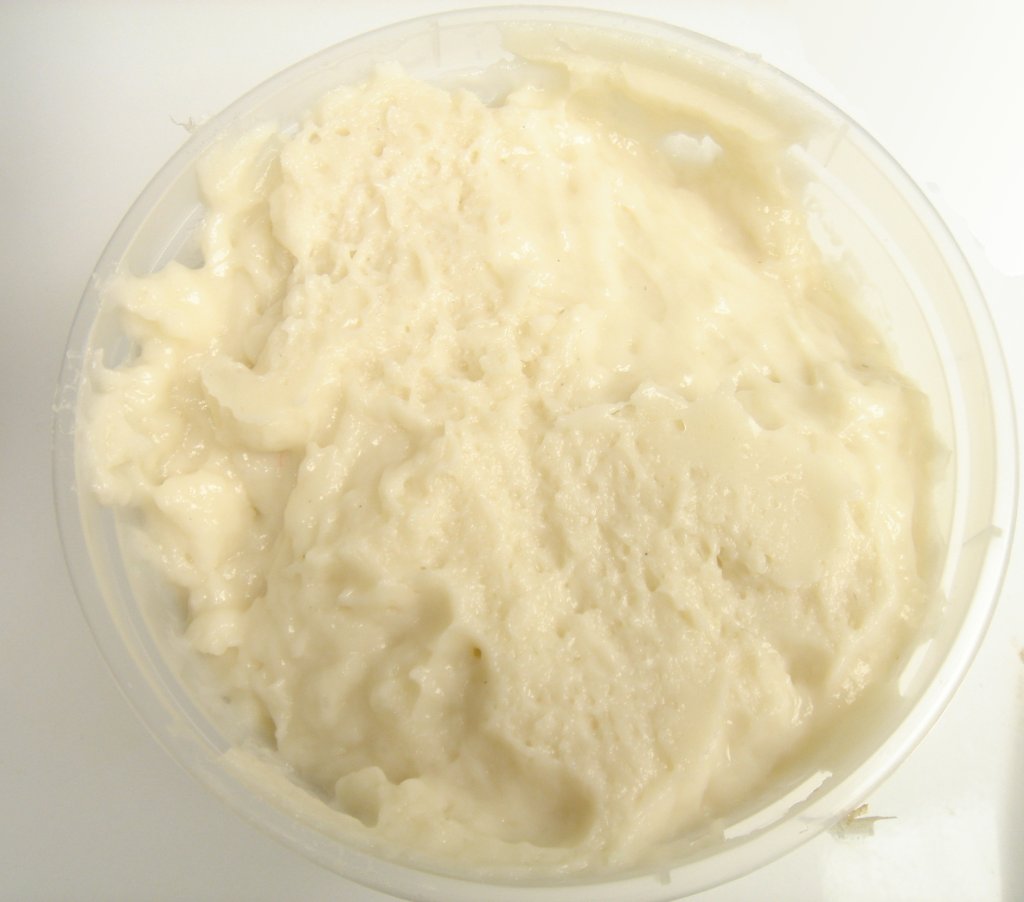
To make kamaboko, white fish are deboned and pureed into a fine paste, known as surimi. Seasonings and sometimes additives are mixed in to create a smooth, cohesive mixture. This paste is then shaped into loaves, often with a colored outer layer for decoration. The loaves are steamed until they set and become firm. After cooling, kamaboko is sliced for serving. Some regional types are grilled or fried after steaming, but the classic version is simply steamed.



How and when is Kamaboko eaten?
Kamaboko is eaten in a variety of ways. Slices may be served as a side dish, with dipping sauces, or as a topping for soups and noodle bowls. It is a common addition to dishes like ramen and the Hawaiian noodle soup saimin. Red and white kamaboko are often included in celebratory meals in Japan, as these colors are considered auspicious. Convenience stores in Japan also sell kamaboko snacks, sometimes combined with cheese. The food is enjoyed both at home and in restaurants.
Kinds of Kamaboko
There are several regional and modern types of kamaboko. In Uwajima, jakoten is a fried version. Miyagi Prefecture is known for sasa-kamaboko, shaped like bamboo leaves and often grilled before eating. Narutomaki features a pink spiral pattern. In Hawaii, kamaboko is a staple in local noodle soups. Some versions are combined with cheese for a quick snack. The product kani-kamaboko, or imitation crab, is a well-known variant made from the same fish paste.
What Kamaboko means
Kamaboko holds a special place in Japanese food culture. It is served at festive occasions, especially in red and white, which are believed to bring good luck. November 15 is celebrated as Kamaboko Day in Japan. The food is so recognizable that the shape of Quonset huts in Hawaii led to them being called 'kamaboko houses.' Kamaboko is also a familiar sight in Japanese convenience stores and is used in a range of traditional and modern dishes.
Questions people ask about Kamaboko
What is kamaboko made from?
Kamaboko is made from a paste of deboned white fish, called surimi, which is seasoned and shaped into loaves before being steamed until firm.
Where does kamaboko come from?
Kamaboko originated in Japan, with records of its production going back to the early 12th century.
How is kamaboko usually eaten?
Kamaboko is typically sliced and served with dipping sauces or added to soups and noodle dishes. It can also be part of festive meals.
Are there different types of kamaboko?
Yes, there are several regional and modern varieties, including fried versions, bamboo leaf-shaped types, and narutomaki with a spiral pattern.
Is kamaboko vegetarian?
No, kamaboko is made from fish and is not suitable for vegetarians.
Good reading and sources
The facts on this page come from the Wikipedia article "Kamaboko", written by its contributors and used under the CC BY-SA 4.0 licence, and from its Wikidata record (CC0). Thali rewrote the text in its own words, with AI assistance, and compares every page with the article to make sure no passage is copied. It may be reused under the same CC BY-SA 4.0 licence with a link back.
It may contain mistakes, and it is not dietary or allergy advice: recipes differ from cook to cook. If something is wrong, tell us. Last refreshed 2026-10-03.
More from Japan
All the food of Japan Pizza
🇮🇹 Italy and 4 moreFlatbread topped with tomato, cheese and baked at high heat
Main dish, Lunch, Dinner
Pizza
🇮🇹 Italy and 4 moreFlatbread topped with tomato, cheese and baked at high heat
Main dish, Lunch, Dinner
 Sushi寿司
🇯🇵 JapanVinegared rice paired with seafood, vegetables or other toppings
Main dish, Lunch, Dinner
TofuVegan豆腐
🇨🇳 China and 5 moreSoft white blocks made by curdling soy milk and pressing the curds
Main dish
Sushi寿司
🇯🇵 JapanVinegared rice paired with seafood, vegetables or other toppings
Main dish, Lunch, Dinner
TofuVegan豆腐
🇨🇳 China and 5 moreSoft white blocks made by curdling soy milk and pressing the curds
Main dish
 Sashimi刺身
🇯🇵 JapanThin slices of raw fish or meat, served with soy sauce and condiments
Main dish, Lunch, Dinner
Sashimi刺身
🇯🇵 JapanThin slices of raw fish or meat, served with soy sauce and condiments
Main dish, Lunch, Dinner
Its cousins elsewhere
All main dishes Seafood boil
🇺🇸 United States and 1 moreShellfish and sides cooked together for a communal feast
Main dish, Lunch, Dinner
Seafood boil
🇺🇸 United States and 1 moreShellfish and sides cooked together for a communal feast
Main dish, Lunch, Dinner
 Oxtail stewMeat
🇮🇹 Italy and 4 moreStew made with oxtail, found in many world cuisines
Stew or curry, Lunch, Dinner
Oxtail stewMeat
🇮🇹 Italy and 4 moreStew made with oxtail, found in many world cuisines
Stew or curry, Lunch, Dinner
 MeatballMeat
🇮🇹 Italy and 5 moreGround meat shaped into balls and cooked by frying, baking, or braising in sauce
Main dish, Lunch, Dinner
MeatballMeat
🇮🇹 Italy and 5 moreGround meat shaped into balls and cooked by frying, baking, or braising in sauce
Main dish, Lunch, Dinner
 Fried chickenMeat
🇺🇸 United States and 1 moreChicken pieces coated in seasoned flour or batter and fried until crisp
Main dish, Lunch, Dinner
Fried chickenMeat
🇺🇸 United States and 1 moreChicken pieces coated in seasoned flour or batter and fried until crisp
Main dish, Lunch, Dinner