
Karaage
In its own language: から揚げ
Japanese marinated and deep-fried bite-sized chicken or fish
Karaage is a Japanese way of preparing small pieces of meat, usually chicken, by marinating them, coating with starch, and deep-frying. The marinade often uses soy sauce, sake, ginger, and scallions. This dish is widely enjoyed in Japan, served on its own or with rice and cabbage, and is a popular fast food and home-cooked meal.
- Chicken is the most common meat used for karaage
- The marinade includes soy sauce, sake, ginger, and scallion
- Nakatsu in Ōita Prefecture is famous for its karaage shops
- Karaage is sold in Japanese convenience stores and food stands
- Regional styles use different meats, fish, and sauces
What is Karaage?
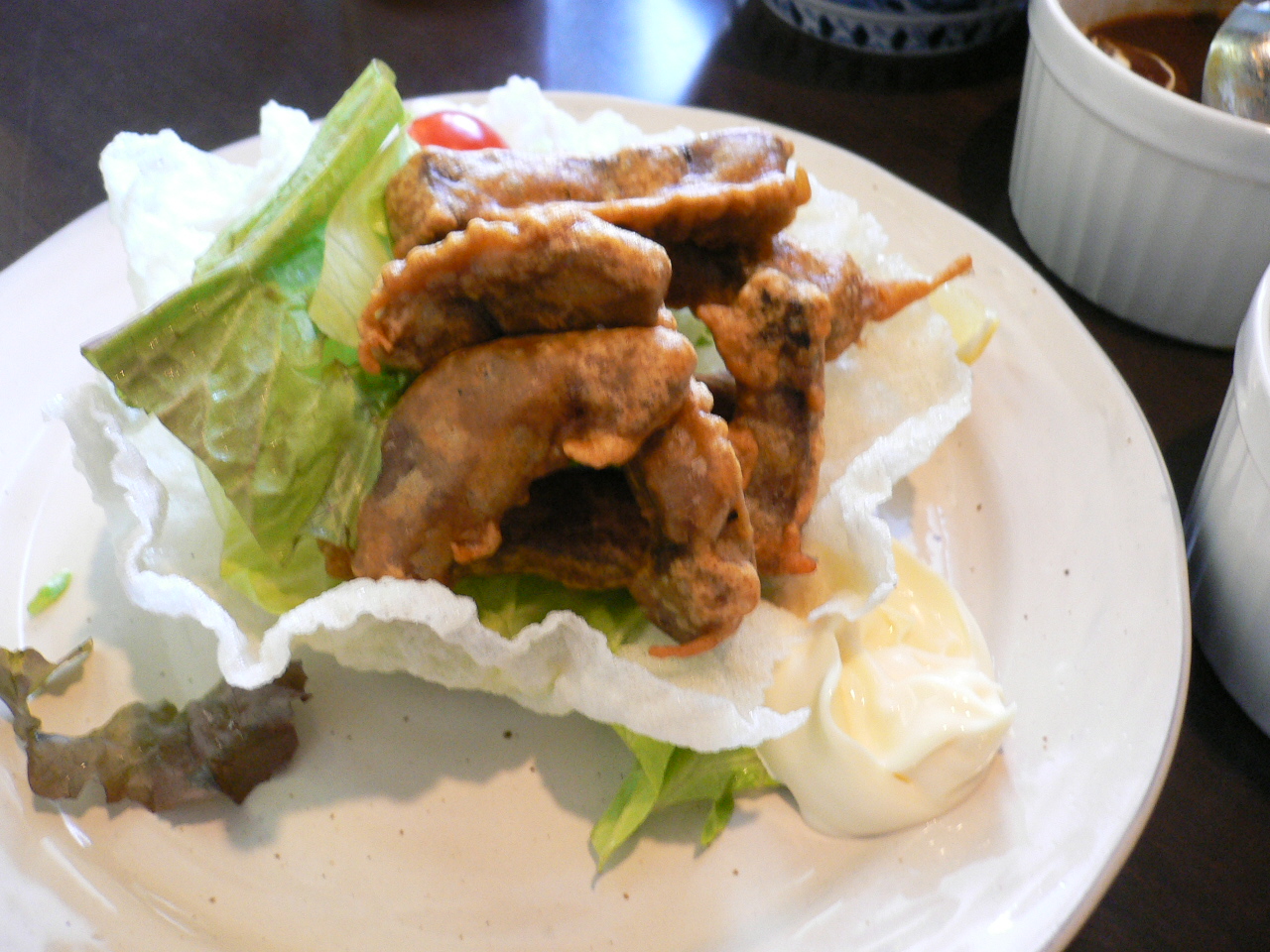
Karaage refers to a Japanese cooking style where small pieces of meat or fish are marinated, then coated in starch and fried in hot oil. Chicken is the most common choice, but fish or even tofu can be used. The marinade often brings together soy sauce, sake, ginger juice, and scallion, giving the finished pieces a savory, aromatic flavor. Karaage is typically served golden and crisp, sometimes with rice and shredded cabbage on the side.
Where does Karaage come from?
The term karaage first appeared in Japan during the late 1600s, but the chicken version became popular in the 1930s as a restaurant dish inspired by Chinese cooking. After World War II, making karaage at home became widespread, especially in Ōita Prefecture, where the cities of Usa and Nakatsu are now known for their local takes on the dish. Nakatsu even hosts an annual festival dedicated to karaage, drawing dozens of shops and visitors from across the country.
How is Karaage made?
To prepare karaage, the meat or fish is first cut into bite-sized pieces and soaked in a mixture of soy sauce, sake, ginger, and scallion to infuse flavor. After marinating, each piece is dusted with a layer of starch, such as potato or corn starch, which helps create a crisp surface when fried. The coated pieces are then deep-fried in oil until they are golden and crunchy on the outside while remaining juicy inside.



How and when is Karaage eaten?
Karaage is enjoyed in many settings in Japan, from casual meals at home to quick snacks bought at convenience stores or food stalls. It is often eaten with rice and raw cabbage, but can also be served on its own. The dish is popular for lunch, dinner, or as a snack, and is a common offering at festivals and gatherings. Some regions serve it with sauces or seasonings unique to their area.
Kinds of Karaage
Across Japan, different regions have developed their own styles of karaage. Hokkaido's 'zangi' uses a spicy sauce, while Nagoya's 'tebasaki' features chicken wings with sesame seeds and a special glaze. In Okinawa, 'gurukun no kara-age' uses a local fish, and Yamaguchi is known for deep-fried blowfish. Miyazaki's 'chicken nanban' is another variation, and the dish has even inspired similar fried chicken styles in other countries.
What Karaage means
Karaage is deeply woven into Japanese food culture, appearing everywhere from anime to fast-food chains. It is a staple at festivals and is so beloved that Nakatsu holds a yearly event celebrating it. The dish is also a favorite among travelers and has been featured by international chefs and food personalities. Its popularity is reflected in its presence in convenience stores and its role in promoting organizations like the Japan Air Self-Defense Force.
Questions people ask about Karaage
What is karaage made of?
Karaage is usually made from small pieces of chicken marinated in soy sauce, sake, ginger, and scallion, then coated in starch and deep-fried. Fish or tofu can also be used in place of chicken.
Where does karaage come from?
Karaage comes from Japan. The technique dates back to the 17th century, but chicken karaage became popular in the 20th century, especially in Ōita Prefecture.
How is karaage different from other Japanese fried foods?
Unlike tempura, which uses a batter, karaage is marinated and coated in starch before frying. Other methods like su-age do not use a marinade or coating.
When is karaage usually eaten?
Karaage is eaten for lunch, dinner, or as a snack. It is common at festivals, in home meals, and as a quick bite from convenience stores.
Are there different types of karaage?
Yes, regions across Japan have their own versions, using different meats, fish, sauces, and seasonings. Examples include zangi, tebasaki, and gurukun no kara-age.
Good reading and sources
The facts on this page come from the Wikipedia article "Karaage", written by its contributors and used under the CC BY-SA 4.0 licence, and from its Wikidata record (CC0). Thali rewrote the text in its own words, with AI assistance, and compares every page with the article to make sure no passage is copied. It may be reused under the same CC BY-SA 4.0 licence with a link back.
It may contain mistakes, and it is not dietary or allergy advice: recipes differ from cook to cook. If something is wrong, tell us. Last refreshed 2026-10-03.
More from Japan
All the food of Japan Pizza
🇮🇹 Italy and 4 moreFlatbread topped with tomato, cheese and baked at high heat
Main dish, Lunch, Dinner
Pizza
🇮🇹 Italy and 4 moreFlatbread topped with tomato, cheese and baked at high heat
Main dish, Lunch, Dinner
 Sushi寿司
🇯🇵 JapanVinegared rice paired with seafood, vegetables or other toppings
Main dish, Lunch, Dinner
TofuVegan豆腐
🇨🇳 China and 5 moreSoft white blocks made by curdling soy milk and pressing the curds
Main dish
Sushi寿司
🇯🇵 JapanVinegared rice paired with seafood, vegetables or other toppings
Main dish, Lunch, Dinner
TofuVegan豆腐
🇨🇳 China and 5 moreSoft white blocks made by curdling soy milk and pressing the curds
Main dish
 Sashimi刺身
🇯🇵 JapanThin slices of raw fish or meat, served with soy sauce and condiments
Main dish, Lunch, Dinner
Sashimi刺身
🇯🇵 JapanThin slices of raw fish or meat, served with soy sauce and condiments
Main dish, Lunch, Dinner
Its cousins elsewhere
All main dishes Arroz chaufa
🇵🇪 PeruPeruvian fried rice with meat, egg, vegetables and soy sauce
Main dish, Lunch, Dinner
Arroz chaufa
🇵🇪 PeruPeruvian fried rice with meat, egg, vegetables and soy sauce
Main dish, Lunch, Dinner
 Pancake
🇺🇸 United States and 5 moreFlat cakes made from batter, cooked on a griddle or pan and served sweet or savoury
Main dish, Breakfast, Snacks
Pancake
🇺🇸 United States and 5 moreFlat cakes made from batter, cooked on a griddle or pan and served sweet or savoury
Main dish, Breakfast, Snacks
 Chicken tikka masalaMeat
🇬🇧 United Kingdom and 4 moreRoasted marinated chicken in a creamy, spiced tomato-based sauce
Main dish, Lunch, Dinner
Chicken tikka masalaMeat
🇬🇧 United Kingdom and 4 moreRoasted marinated chicken in a creamy, spiced tomato-based sauce
Main dish, Lunch, Dinner
 Fried chickenMeat
🇺🇸 United States and 1 moreChicken pieces coated in seasoned flour or batter and fried until crisp
Main dish, Lunch, Dinner
Fried chickenMeat
🇺🇸 United States and 1 moreChicken pieces coated in seasoned flour or batter and fried until crisp
Main dish, Lunch, Dinner