
Arroz chaufa
Peruvian fried rice with meat, egg, vegetables and soy sauce
Arroz chaufa is a Peruvian fried rice dish that blends Chinese and local influences. It is made by stir-frying rice with eggs, scallions, soy sauce, and meats such as chicken, beef, pork, or shrimp. Often cooked quickly at high heat, arroz chaufa is a mainstay of Chinese Peruvian (chifa) cuisine and can be found across Peru.
- Blends Chinese and Peruvian cooking traditions
- Usually made with rice, egg, scallion, soy sauce, and meat
- Cooked quickly at high heat, often in a wok
- Many versions use different meats or grains
- A mainstay of chifa cuisine in Peru
What is Arroz chaufa?
Arroz chaufa is a stir-fried rice dish from Peru, part of the country’s chifa, or Chinese Peruvian, cooking. It usually features rice cooked at high heat with eggs, scallions (a type of green onion), and soy sauce, along with pieces of meat such as chicken, beef, pork, or shrimp. The rice is fried in oil, and dark soy sauce is often used, giving the dish a rich color and savory flavor. Sometimes, vegetables and chili peppers are added, and the dish is typically served hot.
Where does Arroz chaufa come from?
Arroz chaufa developed in Peru after Chinese immigrants arrived in the late 19th century, bringing their food traditions with them. The name comes from the Chinese word 'chaofan', meaning 'fried rice'. Over time, the dish became a staple of chifa cuisine, which blends Chinese and Peruvian ingredients and techniques. Its popularity spread throughout Peru, and it is now a common main course in homes and restaurants.
How is Arroz chaufa made?
To make arroz chaufa, cooked rice is quickly stir-fried in a wok or large pan with oil. Eggs are scrambled in the pan, then mixed with the rice. Scallions and soy sauce are added, along with pieces of meat such as chicken, beef, pork, or shrimp. The mixture is tossed at high heat so that the rice is slightly crisp and the flavors combine. Some versions include chili peppers or other vegetables.


How and when is Arroz chaufa eaten?
Arroz chaufa is eaten as a main course, usually for lunch or dinner. It is served hot, often straight from the wok. The dish can be enjoyed on its own or with a side of soy sauce or a spicy ají-based cream. In Peru, it is a popular everyday meal, found in homes, restaurants, and chifa eateries. There is no special ritual to eating it, and it is commonly shared among family or friends.
Kinds of Arroz chaufa
There are many versions of arroz chaufa across Peru. Meats such as duck, fish, seafood, or even wild game like venison or alligator may be used. In the Amazon region, chaufa amazónico includes cecina (dried salted meat) and sweet plantains. Some recipes use quinoa or wheat instead of rice, or combine rice with noodles for a dish called aeropuerto. Toppings and sides may vary by region and personal taste.
What Arroz chaufa means
Arroz chaufa is a symbol of Peru’s multicultural heritage, reflecting the influence of Chinese immigrants and their integration into Peruvian society. It is a central dish in chifa cuisine, which is widely loved across the country. The dish is prepared by specialists known as chauferos. Arroz chaufa is not tied to any particular festival or holiday, but is a familiar part of daily life in Peru.
Questions people ask about Arroz chaufa
What is arroz chaufa made of?
Arroz chaufa is made by stir-frying rice with eggs, scallions, soy sauce, and meats such as chicken, beef, pork, or shrimp. Oil and sometimes chili peppers or other vegetables are also used.
Where does arroz chaufa come from?
Arroz chaufa comes from Peru and is part of chifa, the Chinese Peruvian cuisine that developed after Chinese immigrants arrived in the late 1800s.
Is arroz chaufa always made with the same meat?
No, arroz chaufa can be made with various meats, including chicken, beef, pork, shrimp, duck, fish, or even wild game, depending on the region and preference.
How is arroz chaufa typically served?
It is served hot as a main course, often straight from the wok, and may be accompanied by soy sauce or a spicy ají-based cream.
What makes arroz chaufa different from other fried rice?
Arroz chaufa combines Chinese stir-frying with Peruvian ingredients and flavors, such as using dark soy sauce and local meats, making it distinct from Chinese fried rice.
Good reading and sources
The facts on this page come from the Wikipedia article "Arroz chaufa", written by its contributors and used under the CC BY-SA 4.0 licence, and from its Wikidata record (CC0). Thali rewrote the text in its own words, with AI assistance, and compares every page with the article to make sure no passage is copied. It may be reused under the same CC BY-SA 4.0 licence with a link back.
It may contain mistakes, and it is not dietary or allergy advice: recipes differ from cook to cook. If something is wrong, tell us. Last refreshed 2026-10-03.
More from Peru
All the food of Peru Huatia
🇵🇪 Peru and 2 moreAndean food cooked in a traditional earth oven of heated stones
Main dish
Huatia
🇵🇪 Peru and 2 moreAndean food cooked in a traditional earth oven of heated stones
Main dish
 ChunchulloMeat
🇦🇷 Argentina and 5 moreBraided and roasted small intestine, a grill favorite in Latin America
Main dish, Lunch, Dinner
ChunchulloMeat
🇦🇷 Argentina and 5 moreBraided and roasted small intestine, a grill favorite in Latin America
Main dish, Lunch, Dinner
 PachamancaMeat
🇵🇪 Peru and 1 moreAndean meats and vegetables slow-cooked with hot stones in an earthen oven
Main dish, Lunch, Dinner
PachamancaMeat
🇵🇪 Peru and 1 moreAndean meats and vegetables slow-cooked with hot stones in an earthen oven
Main dish, Lunch, Dinner
 Rocoto rellenoMeat
🇵🇪 PeruPeruvian stuffed rocoto peppers baked with meat and cheese
Main dish, Lunch, Dinner
Rocoto rellenoMeat
🇵🇪 PeruPeruvian stuffed rocoto peppers baked with meat and cheese
Main dish, Lunch, Dinner
Its cousins elsewhere
All main dishes Japanese curryMeatカレー
🇯🇵 Japan and 2 moreA thick, mildly spiced curry sauce served with rice, noodles or bread
Main dish, Lunch, Dinner
Japanese curryMeatカレー
🇯🇵 Japan and 2 moreA thick, mildly spiced curry sauce served with rice, noodles or bread
Main dish, Lunch, Dinner
 OyakodonMeat親子丼
🇯🇵 JapanChicken, egg, and scallion simmered in broth and served over rice
Main dish
OyakodonMeat親子丼
🇯🇵 JapanChicken, egg, and scallion simmered in broth and served over rice
Main dish
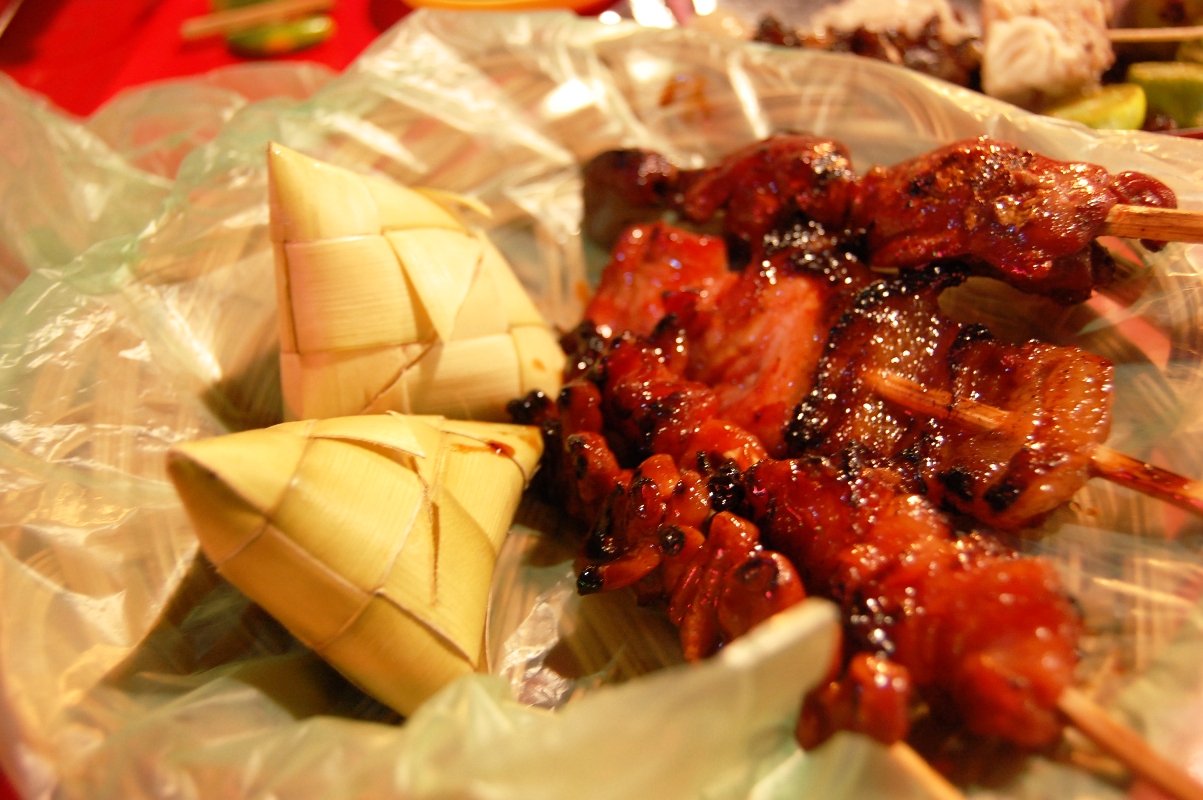 Inihaw
🇵🇭 PhilippinesGrilled meats and seafood, often on skewers, from the Philippines
Main dish, Lunch, Dinner
Inihaw
🇵🇭 PhilippinesGrilled meats and seafood, often on skewers, from the Philippines
Main dish, Lunch, Dinner
 Tofu skin roll
🇨🇳 ChinaTofu skin wrapped around a savoury filling, served steamed or fried as dim sum
Main dish, Lunch, Dinner
Tofu skin roll
🇨🇳 ChinaTofu skin wrapped around a savoury filling, served steamed or fried as dim sum
Main dish, Lunch, Dinner