
Kashk bademjan
In its own language: کشک بادمجان
Eggplant and kashk dip from Iran, often served with bread
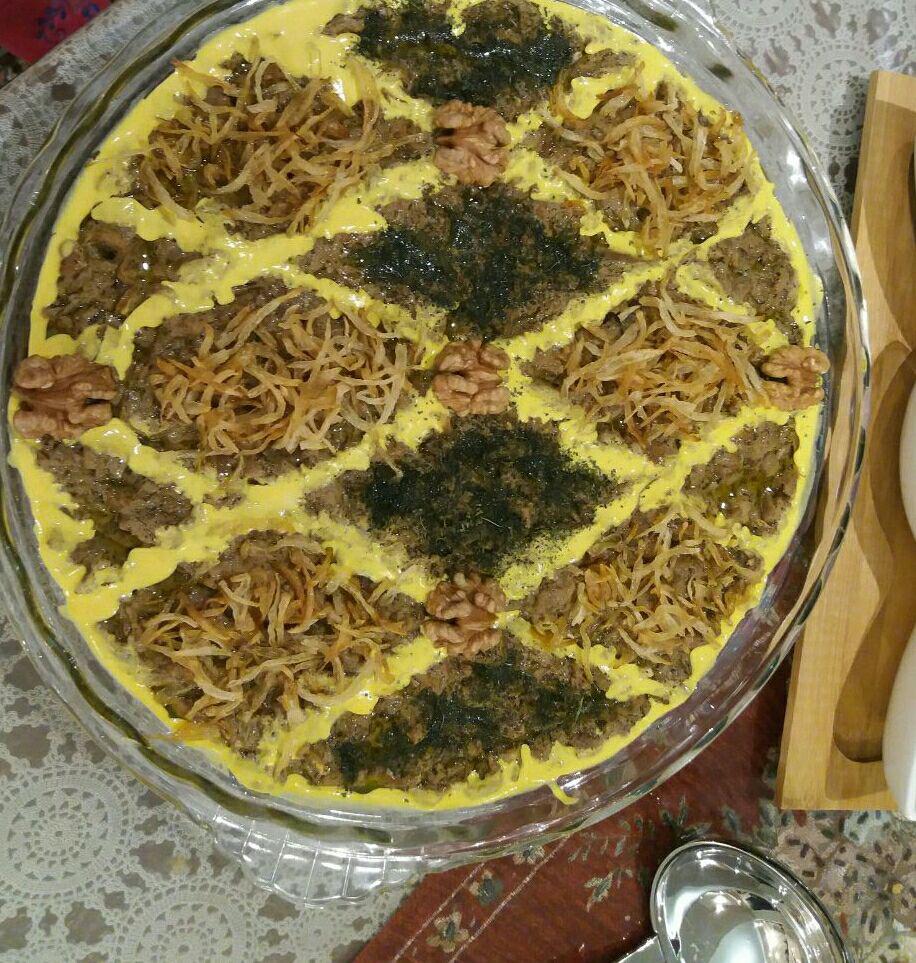
Kashk bademjan is a well-known Iranian dish made from eggplant and kashk, a type of fermented dairy. It is usually served as a dip, garnished with sautéed onions, garlic, saffron, and sometimes walnuts. Eaten with fresh bread, it can be an appetizer or a main course.
- Made from eggplant and kashk, a fermented dairy
- Often garnished with saffron, sautéed onions, garlic, and walnuts
- Served as a dip with fresh bread
- Can be eaten hot or cold
- A staple dish in Iran
What is Kashk bademjan?
Kashk bademjan is a creamy Iranian dip made mainly from eggplant and kashk, a tangy fermented dairy similar to whey. The dish is smooth and rich, with the eggplant providing a soft base and the kashk adding a distinct sour note. It is usually topped with golden sautéed onions, garlic, a drizzle of saffron, and sometimes chopped walnuts. Served as a dip, it is typically eaten with fresh bread, making it both hearty and flavorful.
Where does Kashk bademjan come from?
Kashk bademjan comes from Iran and is a staple of its cuisine. The name means 'kashk and eggplant' in Persian, directly describing its main ingredients. The dish is believed to date back to the Qajar dynasty, showing its long history in Iranian food culture. Over time, it has become a common part of meals across the country, served at both family tables and gatherings.
How is Kashk bademjan made?
To prepare kashk bademjan, eggplants are first cooked until soft, then mashed or blended. Kashk, which is a fermented dairy product, is mixed in to give the dish its signature tangy flavor. Sautéed onions and garlic are added for depth, and the mixture is often finished with a drizzle of saffron and a sprinkle of walnuts. The dip can be served either hot or cold.

How and when is Kashk bademjan eaten?
Kashk bademjan is enjoyed as a dip or spread, most often with fresh bread. It can be served as an appetizer to start a meal or as a main dish, depending on the setting. The dish is common at family meals and gatherings, and its rich texture makes it satisfying on its own or as part of a larger spread. It is suitable for lunch, dinner, or as a snack.
Kinds of Kashk bademjan
While the base of eggplant and kashk remains the same, some versions include extra garnishes like walnuts or a more generous use of saffron. The dish may be served hot or cold, and the texture can range from chunky to smooth depending on how the eggplant is prepared. Some cooks add herbs or adjust the amount of garlic and onion to taste.
What Kashk bademjan means
Kashk bademjan is a familiar and beloved part of Iranian cuisine, often found at both everyday meals and special gatherings. Its use of kashk and eggplant reflects local ingredients and traditional preservation methods. The dish is also an example of how Iranian food often combines dairy and vegetables in creative ways, and it is typically served with bread, highlighting the importance of shared eating in Iranian culture.
Questions people ask about Kashk bademjan
What is Kashk bademjan made of?
It is made mainly from eggplant and kashk, a fermented dairy product. The dish also includes sautéed onions, garlic, saffron, and sometimes walnuts.
Where does Kashk bademjan come from?
Kashk bademjan is from Iran and is a staple in Iranian cuisine.
How is Kashk bademjan usually served?
It is served as a dip, often with fresh bread. It can be eaten hot or cold, and is garnished with onions, garlic, saffron, and walnuts.
Is Kashk bademjan vegetarian?
Yes, Kashk bademjan is vegetarian since it contains no meat or fish, but it does include dairy.
When is Kashk bademjan eaten?
It can be eaten as an appetizer, a main dish, or a snack, usually at lunch or dinner.
Good reading and sources
- Kashk bademjan on WikipediaEncyclopedia
- More photos on Wikimedia CommonsPhotos
- Wikidata recordOpen data
The facts on this page come from the Wikipedia article "Kashk bademjan", written by its contributors and used under the CC BY-SA 4.0 licence, and from its Wikidata record (CC0). Thali rewrote the text in its own words, with AI assistance, and compares every page with the article to make sure no passage is copied. It may be reused under the same CC BY-SA 4.0 licence with a link back.
It may contain mistakes, and it is not dietary or allergy advice: recipes differ from cook to cook. If something is wrong, tell us. Last refreshed 2026-10-03.
More from Iran
All the food of Iran Kebabكَبَاب
🇹🇷 Turkey and 5 moreGrilled or roasted meat, often on skewers, found across the Middle East and beyond
Main dish, Lunch, Dinner
Kebabكَبَاب
🇹🇷 Turkey and 5 moreGrilled or roasted meat, often on skewers, found across the Middle East and beyond
Main dish, Lunch, Dinner
 Pilaf
🇺🇿 Uzbekistan and 5 moreRice cooked in stock with spices, meat or vegetables, with each grain kept separate
Main dish, Lunch, Dinner
CaviarFish or seafood
🇮🇷 Iran and 5 moreSalt-cured fish roe, most prized from sturgeon of the Caspian and Black Sea
Sauce, pickle or ferment, Snacks
Pilaf
🇺🇿 Uzbekistan and 5 moreRice cooked in stock with spices, meat or vegetables, with each grain kept separate
Main dish, Lunch, Dinner
CaviarFish or seafood
🇮🇷 Iran and 5 moreSalt-cured fish roe, most prized from sturgeon of the Caspian and Black Sea
Sauce, pickle or ferment, Snacks
 Khoresh bademjanخورش بادمجان
🇮🇷 IranPersian stew of eggplant, tomato, lamb, and tart fruit, served with rice
Stew or curry, Lunch, Dinner
Khoresh bademjanخورش بادمجان
🇮🇷 IranPersian stew of eggplant, tomato, lamb, and tart fruit, served with rice
Stew or curry, Lunch, Dinner
Its cousins elsewhere
All main dishes RatatouilleVegan
🇫🇷 FranceA Provençal stew of summer vegetables cooked in olive oil
Main dish, Lunch, Dinner
RatatouilleVegan
🇫🇷 FranceA Provençal stew of summer vegetables cooked in olive oil
Main dish, Lunch, Dinner
 BouillabaisseFish or seafood
🇫🇷 FranceA Marseille fish stew with local seafood, herbs, and saffron broth
Stew or curry, Lunch, Dinner
BouillabaisseFish or seafood
🇫🇷 FranceA Marseille fish stew with local seafood, herbs, and saffron broth
Stew or curry, Lunch, Dinner
 Cataplana
🇵🇹 PortugalSeafood and meat stew cooked in a sealed metal vessel from Portugal's Algarve
Main dish, Lunch, Dinner
Cataplana
🇵🇹 PortugalSeafood and meat stew cooked in a sealed metal vessel from Portugal's Algarve
Main dish, Lunch, Dinner
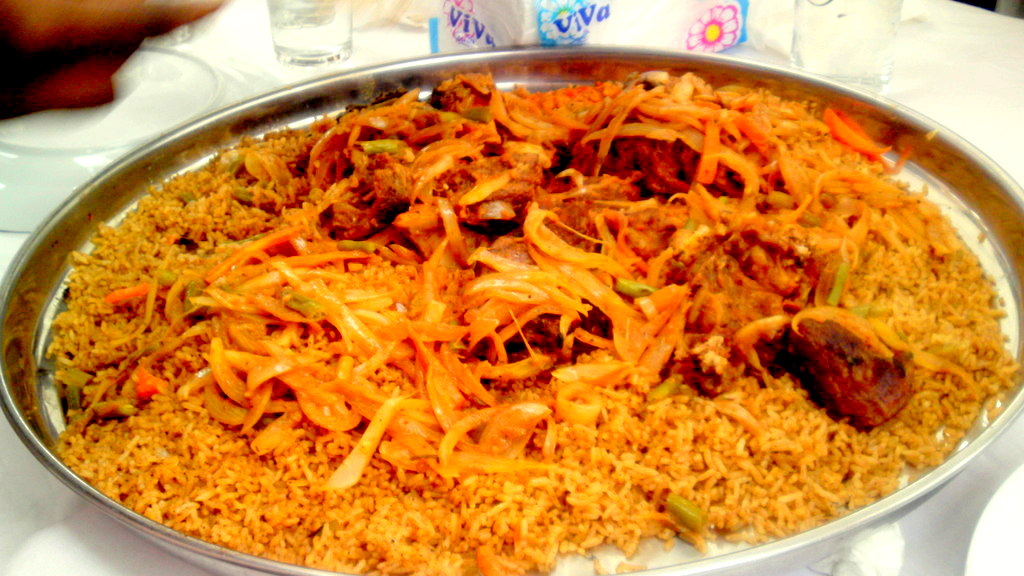 Riz grasMeat
🇧🇫 Burkina Faso and 4 moreWest African rice cooked with meat and vegetables, served hot
Main dish, Lunch, Dinner
Riz grasMeat
🇧🇫 Burkina Faso and 4 moreWest African rice cooked with meat and vegetables, served hot
Main dish, Lunch, Dinner